Allahabad HC: No GST Penalty When Multi-Vehicle Dispatch Clearly Disclosed in E-Way Bill:
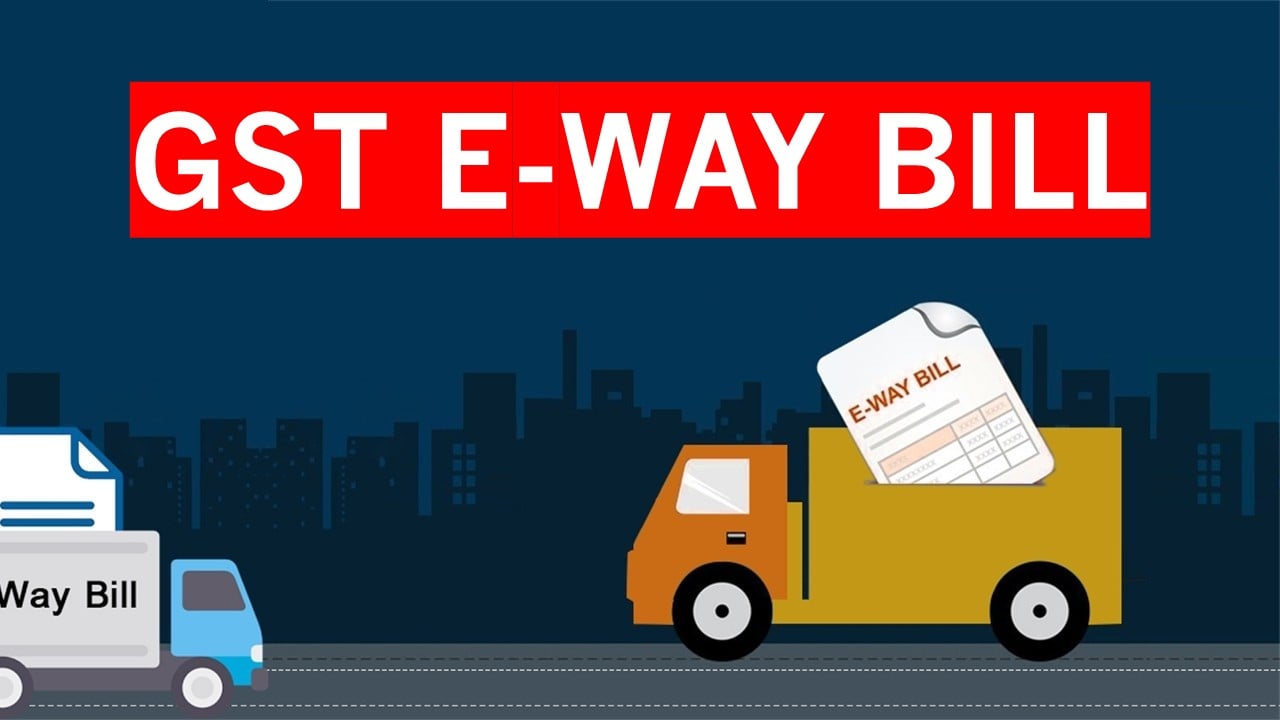
Court quashes seizure and penalty where both truck numbers and multi-vehicle transport were transparently declared
HC Quashes GST Penalty: Multi-Vehicle Transport Properly Declared in E-Way Bill
 Meetu Kumari
 Nov 22, 2025
Allahabad HC: No GST Penalty When Multi-Vehicle Dispatch Clearly Disclosed in E-Way Bill
The petitioner, a manufacturer transporting a sorter machine from Greater Noida to Bengaluru, loaded it in two trucks because the consignment could not physically fit in a single vehicle. All requisite documents, including the tax invoice, railway receipt, and e-way bill, accompanied the goods, the authorities seized the consignment on the allegation that proper documents were not produced and proceeded to impose a penalty under Section 129(3).
The seizure order was upheld in appeal, compelling the petitioner to approach the High Court.
Core Issue: Whether a penalty under Section 129(3) can be sustained when the e-way bill expressly mentions multi-vehicle transportation along with both truck numbers and all disclosures match the goods in transit.
HC Ruled: The Court noted that the goods were supported by all required documents and that the e-way bill itself disclosed multi-vehicle usage and both truck numbers carrying the consignment. It was observed that the petitioner’s explanation, that a sorter machine could not fit into one truck, was natural, undisputed, and consistent with the documents. Once true and correct disclosure existed, the Court held, no intention to evade tax could be inferred.
Relying on Zhuzoor Infratech Private Limited, Shyam Sel & Power Limited, and the Supreme Court’s ruling in Satyam Shivam Papers Pvt. Ltd., the Court found that the seizure and penalty lacked legal foundation. Since the authorities acted despite full disclosure in the e-way bill, the impugned orders dated 31.07.2019 were quashed.
Thus, the writ petition was allowed.
To Read Full Judgment, Download PDF Given Below
About Author


Meetu Kumari
Content Manager
Meetu Kumari is an Experienced Advocate and Content Writer with 4+ years of demonstrated history of working in the law practice industry. Skilled in Developing Content, Researching, and Drafting. Strong professional with a Bachelor of Science (B.Sc.) focused on Law from Gujarat National Law University.
Meetu Kumari is an Experienced Advocate and Content Writer with 4+ years of demonstrated history of working in the law practice industry. Skilled in Developing Content, Researching, and Drafting. Strong professional with a Bachelor of Science (B.Sc.) focused on Law from Gujarat National Law University.
 Studycafe
 Jodhpur, Rajasthan, India
 2264
2264My Recent Articles
- ITAT Condones 302-Day Delay, Restores Salary Assessment for Fresh VerificationPremium
- ITAT Condones Delay After Tax Consultant's Death, Restores Appeals for Fresh HearingPremium
- ITAT Remands Salary Addition, Says Taxability Depends on Salary Becoming Due, Not Mere ReceiptPremium
- ITAT Deletes TP Royalty Adjustment, Orders Fresh Review of Commission BenchmarkingPremium
- ITAT Quashes Reassessment Over Unsigned Section 148 Notice Issued to AssesseePremium
Up Next
Loading suggestions…


Recent Posts
All Posts


Recent Posts
All Posts