Big GST Reforms Ahead: Relief for Small Vehicles, Insurance, and Essentials:
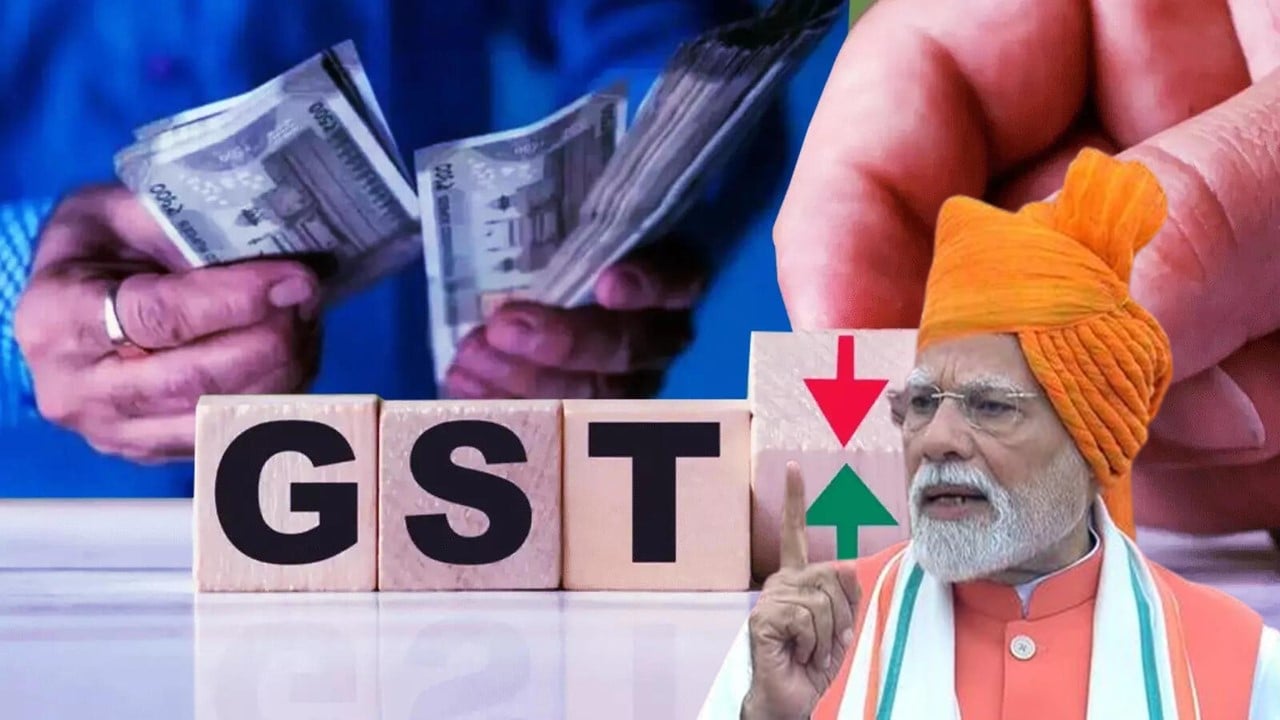
The Central Government is anticipated to propose some major GST reforms in the upcoming GST Council meeting. Know the detailed breakdown of these reforms below.
Centre is Likely to Introduce Major Reforms in GST System
 Saloni Kumari
 Aug 20, 2025
Big GST Reforms Ahead: Relief for Small Vehicles, Insurance, and Essentials
The Central Government of India is soon planning to introduce major reforms in the GST system to systemise the tax structure, support the common man, boost economic activities, and improve the overall financial condition of the nation. If these reforms are approved, small vehicle buyers, hybrid car users, and insurance customers will benefit the most. These changes or reforms in the GST structure are likely to be proposed in the next GST Council Meeting. This meeting is expected to take place in September, and each will last for two days. These reforms are focused towards reducing taxes on certain types of vehicles and also making broad reforms in the overall GST system.
Changes Proposed for Vehicles:
1. Lower GST Rate on Two-Wheelers Below 350cc:
The Central Government is soon anticipated to reduce the GST rate on two-wheeler vehicles (such as bikes and scooters) of less than 350 cc to 18%. The present GST rate is 28%. This could make small two-wheelers more affordable for consumers.
2. Lower GST Rate on Small Cars Below 1200 cc:
The proposal also includes reducing GST rates on small cars below 120 cc to 18%; presently, the GST rate is 28% on small cars. This is a big reform aimed towards making cars accessible at affordable rates, especially for middle-class families.
3. New GST Categories for Cars:
The centre is also likely to propose two categories of rates for cars in place of the present multiple category rates. The government is now thinking of simplifying this by introducing just two categories of GST rates for cars, one for small/economy cars and another for bigger/luxury vehicles. This reform may turn the tax system more transparent and easier to understand.
4. Lower GST Rate on Hybrid Cars:
The GST rates are also expected to be reduced on hybrid passenger vehicles (cars that run on both fuel and electric power). GST rates on hybrid cards will be reduced to 18% from 28%. This action will support cleaner technologies and eco-friendly transport options.
5. Luxury and SUVs Stay in the Highest Tax Bracket:
Big, luxury cars and SUVs (Sports Utility Vehicles) are proposed to remain under the highest tax bracket, meaning no change in the current tax rate for them. This keeps high-end vehicles as premium-taxed items.
There are two GST Council meetings expected to be held in September, each stretched over two days. These meetings are likely to be important steps toward the next big round of GST reforms. In the meeting, one of the big ideas considered is removing the 12% tax slab altogether. This reform will facilitate simplifying the tax structure in the country, possibly merging it with the 5% or 18% slab. India currently has multiple GST rates: 5%, 12%, 18%, and 28%, which creates confusion.
Amendments can also be introduced in GST rates for health and life insurance, which most likely will be lowered in comparison to the present rates. This will make insurance policies accessible at affordable rates and encourage more people to buy them. The council is also planning to adjust GST rates for essential items to remove any unfair tax burden on commonly used goods. The government is likely to work on easing problems related to blocked tax credits. This will help businesses claim the GST credits they are eligible for more smoothly, improving cash flow. Numerous items have unclear GST classifications, which cause conflicts and confusion for businesses. The council might issue clear guidelines to resolve these long-pending issues.
About Author


Saloni Kumari
Content Writer
Saloni is a Content Writer with 2+ years of experience at studycafe.in. She writes legal, taxation, and finance related content including GST, Income Tax etc. Skilled in translating complex judicial pronouncements and regulatory developments into clear, and reader-friendly articles. Experienced in covering judgements of ITAT, High Court, GSTAT, and news related to Income Tax, GST, and corporate law. She can be reached at [email protected].
Saloni is a Content Writer with 2+ years of experience at studycafe.in. She writes legal, taxation, and finance related content including GST, Income Tax etc. Skilled in translating complex judicial pronouncements and regulatory developments into clear, and reader-friendly articles. Experienced in covering judgements of ITAT, High Court, GSTAT, and news related to Income Tax, GST, and corporate law. She can be reached at [email protected].
 StudyCafe
 Delhi, Delhi, India
 2924
2924My Recent Articles
- Major Relief in Arbitration Case: MCIA Denies Rs 908 Crore Statement Claim Made by Allied Silica Against Tata Chemicals
- MCA and ICSI to Hold User Awareness Session on Form AOC-4 Filing Amid Glitches on MCA-21 Version-3 Portal
- GSTN Introduces New E-Invoicing Facility for Self-Invoices Under Reverse Charge Mechanism
- Flexi Cap vs Multi Cap Funds: What's the Real Difference?
- IBA Recommends Public Sector Banks to Reduce Ambit of Physical Branch Audits to 50% of Total Business
Up Next
Loading suggestions…


Recent Posts
All Posts

Tags
No tags yet.
Recent Posts
All Posts
Tags
No tags yet.