Empowering Citizens: PM Modi’s Blueprint for Next-Gen GST Reforms:
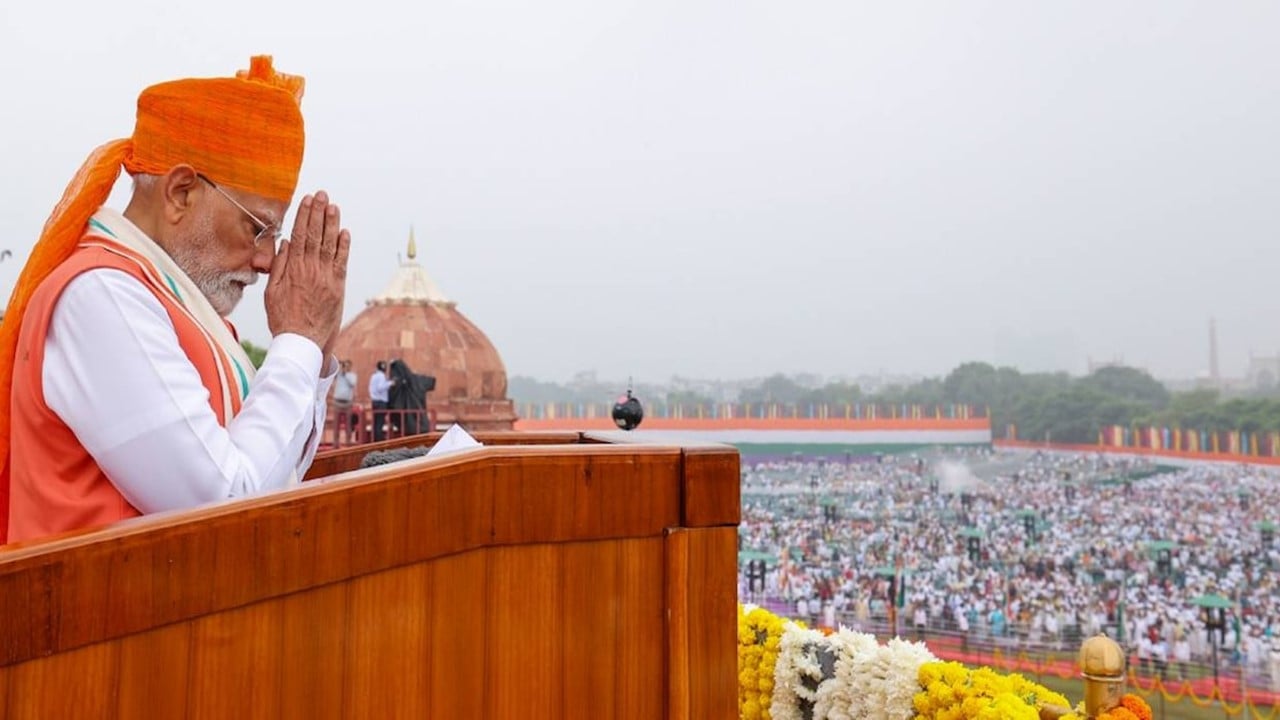
On Independence Day, PM Modi highlights transformative GST reforms aimed at simplifying taxation, empowering citizens, and driving economic growth for an 'Atmanirbhar Bharat'.
PM Modi Addresses Next Gen GST Reforms
 Vanshika verma
 Aug 18, 2025
Empowering Citizens: PM Modi’s Blueprint for Next-Gen GST Reforms
Prime Minister Shri Narendra Modi, in his speech held on the 79th Independence Day, addressed the nation, underlining how the Goods and Services Tax (GST) executed in 2017 is an important reform which has benefited the nation. He added that over the past times India has been performing and transforming but the time has come to move ahead with even more power.
The Prime Minister underlined the significance of the next generation of reforms under GST, which brings relief to the common man, farmers, the middle class and MSMEs. he added that over the past years, the government has undertaken a historic wave of reforms and terminated over 40,000 unnecessary complaints, and recently, over 280 provisions were removed to make the governance simpler and more accessible for every Indian.
The PM also underlined the key achievements:
- Zero tax for annual income up to Rs 12 lakh
- Income tax reform and faceless assessment
- Replacement of old criminal laws with the Bhartiya Nyay Sanhita
- Structural reforms
- Rate rationalisation and
- Ease of living
About Author


Vanshika verma
Content Writer
Vanshika Verma is a Content Writer with 1+ year of experience at Studycafe.in. A B.Com graduate from Delhi University, She writes articles on Finance, Tax, ICAI, GST, and the latest financial news, with a focus on making complex topics easy for readers and professionals.
Vanshika Verma is a Content Writer with 1+ year of experience at Studycafe.in. A B.Com graduate from Delhi University, She writes articles on Finance, Tax, ICAI, GST, and the latest financial news, with a focus on making complex topics easy for readers and professionals.
 Studycafe
 Delhi, Delhi, India
 2096
2096My Recent Articles
- Pinarayi Vijayan Moves Supreme Court Challenging Kerala High Court Order to Register FIR in CMRL Alleged Bribery Case
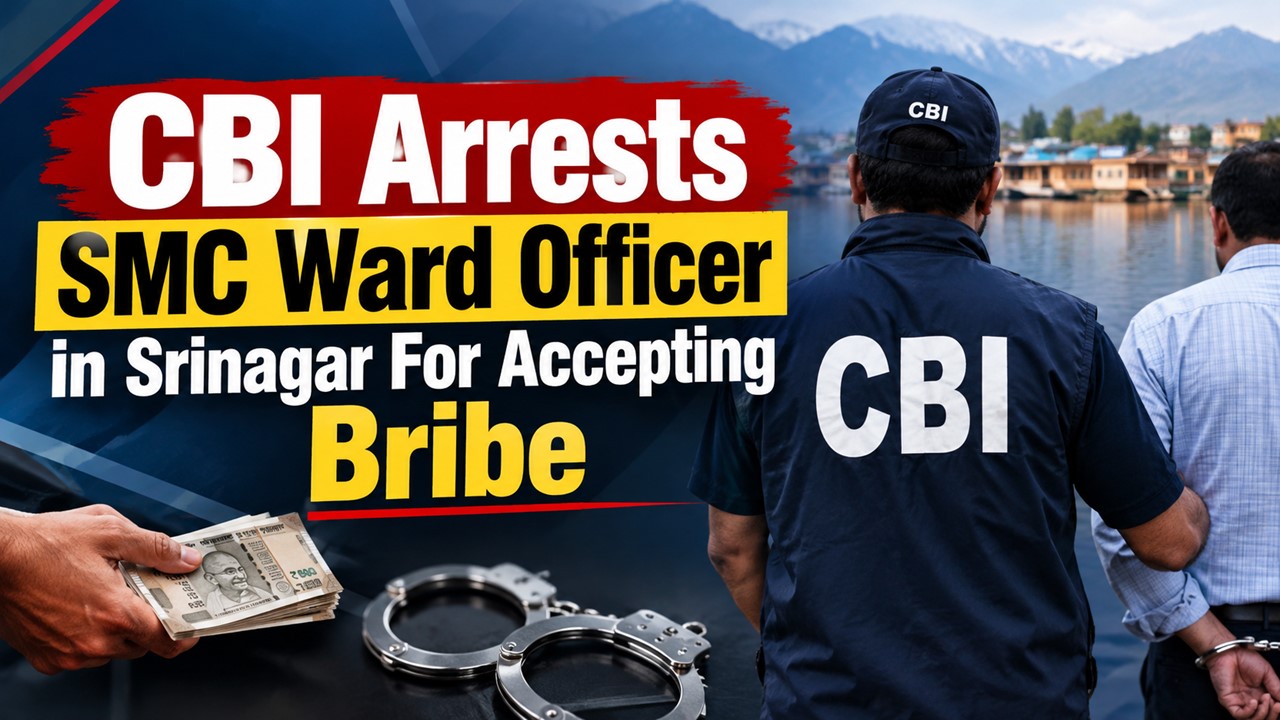
- CBI Lays Trap in Srinagar, Arrests SMC Ward Officer Red-Handed While Allegedly Accepting Rs 10,000 Bribe
- NIIT Limited Discloses Income Tax Department’s Appeal Before Delhi ITAT, Says No Adverse Financial Impact Expected
- Fake WhatsApp Boss Dupes Company Accountant of Rs 40 Lakh; Surat Police Arrest Haryana Man in Cyber Fraud Case
- Uttarakhand Tax Department Detects Rs 2.5 Crore Tax Evasion at Ramnagar Resort
Up Next
Loading suggestions…


Recent Posts
All Posts

Recent Posts
All Posts