Big Tax Changes Coming in 2026: What Draft Income-tax Rules Mean for You:
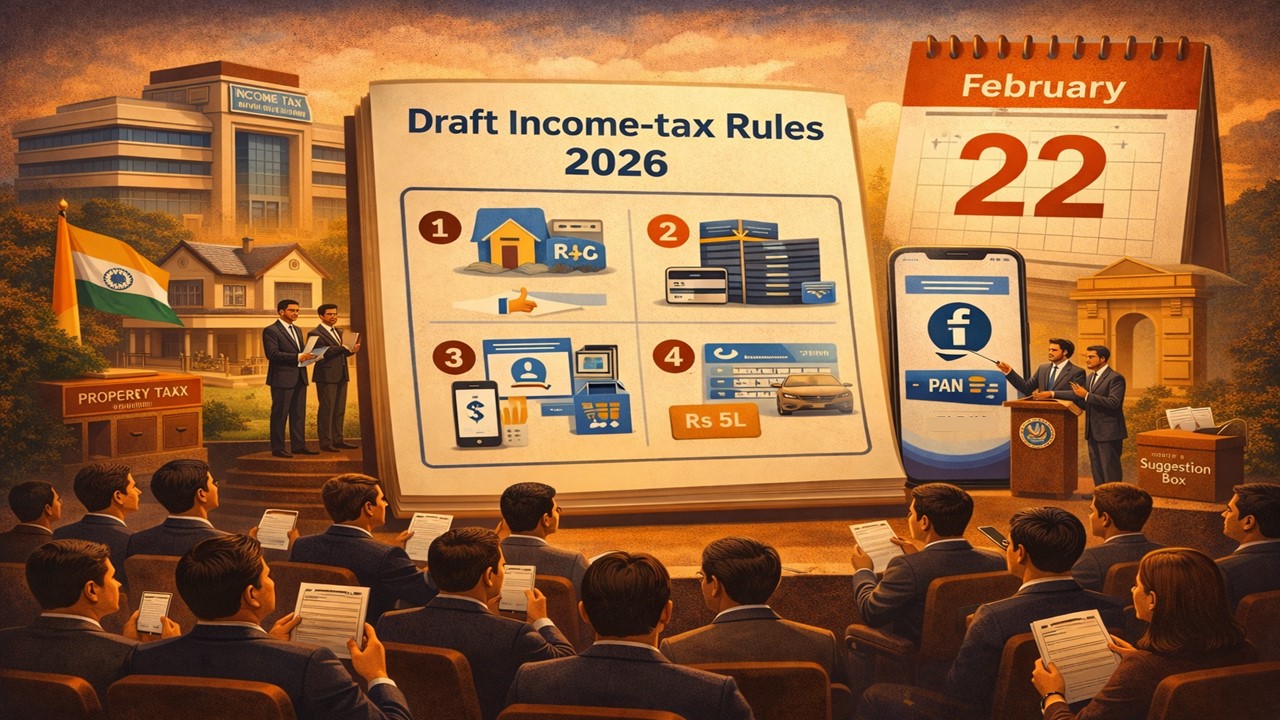
The draft Income-tax Rules, 2026, propose some changes, aiming to modernise and simplify India’s tax system from April 1, 2026.
Draft Income-tax Rules, 2026 Open for Public Comments Till Feb 22
 Vanshika verma
 Feb 10, 2026
Big Tax Changes Coming in 2026: What Draft Income-tax Rules Mean for You
India’s income tax system will change significantly from April 1, 2026. To prepare for this, the department has shared draft Income-tax Rules, 2026, which explain how the new Income-tax Act, 2025, will be applied in real life.
Apart from this, draft rules have been released for public review, and taxpayers, tax experts, and industry groups can send their suggestions or comments within 15 days, up to February 22, 2026. The government says this step is meant to involve people more in the process and ensure the new rules are practical and easy to follow.
The following are some changes in the draft Income Tax Rules, 2026:
1. Draft Rule 37 (Higher Threshold for Property SFT Reporting)
This rule introduces relief for property transactions by increasing the monetary threshold from Rs. 30 lakh to Rs. 45 lakh for mandatory reporting under the Statement of Financial Transaction (SFT) framework.
2. Draft Rule 46 (Mandatory Digital Books of Account)
Under this rule, certain specified professionals must keep their books of account and related records in digital form. These records will always be accessible within India. In addition, backup copies of the data must be stored on servers that are physically located in India. The records must be updated every day.
3. Draft Rule 48 (Recognition of New Electronic Payment Modes)
A new Tier-III category has been introduced to cover Full KYC Digital Rupee wallets (P-CBDC) as well as CBDC transactions undertaken for wholesale and cross-border purposes. This category is for advanced uses of the Digital Rupee where all users are fully verified, and the transactions are done by institutions or across countries.
4. Draft Rule 159 (Change In PAN Quoting Threshold)
In the Draft Income Tax Rules, 2026, Rule 159 is the key provision that specifies the transactions for which quoting or applying for a Permanent Account Number (PAN) is compulsory.
| Nature of transaction | Income Tax Rules | Income Tax Rules 2026 |
| Making an application to any banking company or a cooperative bank for issue of a credit card. | All transactions | All transactions |
| Opening of an account with a depository, participant, custodian of securities or any other person registered SEBI | All transactions | All transactions |
| Sale or purchase of a motor vehicle | All transactions | Amount exceeding ₹ 5,00,000 |
| Sale or purchase, by any person, of shares of a company not listed in recognized stock exchange. | Amount exceeding ₹ 1,00,000 per transaction | Amount exceeding ₹ 1,00,000 per transaction |
| Payment to a company or an institution for acquiring debentures or bonds issued by it | Amount exceeding ₹ 50,000 | Amount exceeding ₹ 50,000 |
| Sale or purchase of any immovable property. | Amount exceeding Rs. 10L | Amount exceeding Rs. 20L |
| Opening a Basic Savings Bank Deposit Account | All transactions | All transactions |
| Opening a time deposit | Amount exceeding fifty thousand rupees or aggregating to more than five lakh rupees during a financial year. | Amount exceeding fifty thousand rupees or aggregating to more than five lakh rupees during a financial year. |
| Payment to a hotel or restaurant against a bill or bills at any one time. | Payment in cash of an amount exceeding fifty thousand rupees. | Payment in cash of an amount exceeding Rs. 100000 |
| Payment of insurance premium [Life covered in Income Tax Act 1961] | All such transactions | Amount aggregating to more than fifty thousand rupees in a financial year. |
| Sale or Purchase by any person, of goods or services [Other than covered above] | Amount exceeding two lakh rupees per transaction | Amount exceeding two lakh rupees per transaction |
About Author


Vanshika verma
Content Writer
Vanshika Verma is a Content Writer with 1+ year of experience at Studycafe.in. A B.Com graduate from Delhi University, She writes articles on Finance, Tax, ICAI, GST, and the latest financial news, with a focus on making complex topics easy for readers and professionals.
Vanshika Verma is a Content Writer with 1+ year of experience at Studycafe.in. A B.Com graduate from Delhi University, She writes articles on Finance, Tax, ICAI, GST, and the latest financial news, with a focus on making complex topics easy for readers and professionals.
 Studycafe
 Delhi, Delhi, India
 2096
2096My Recent Articles
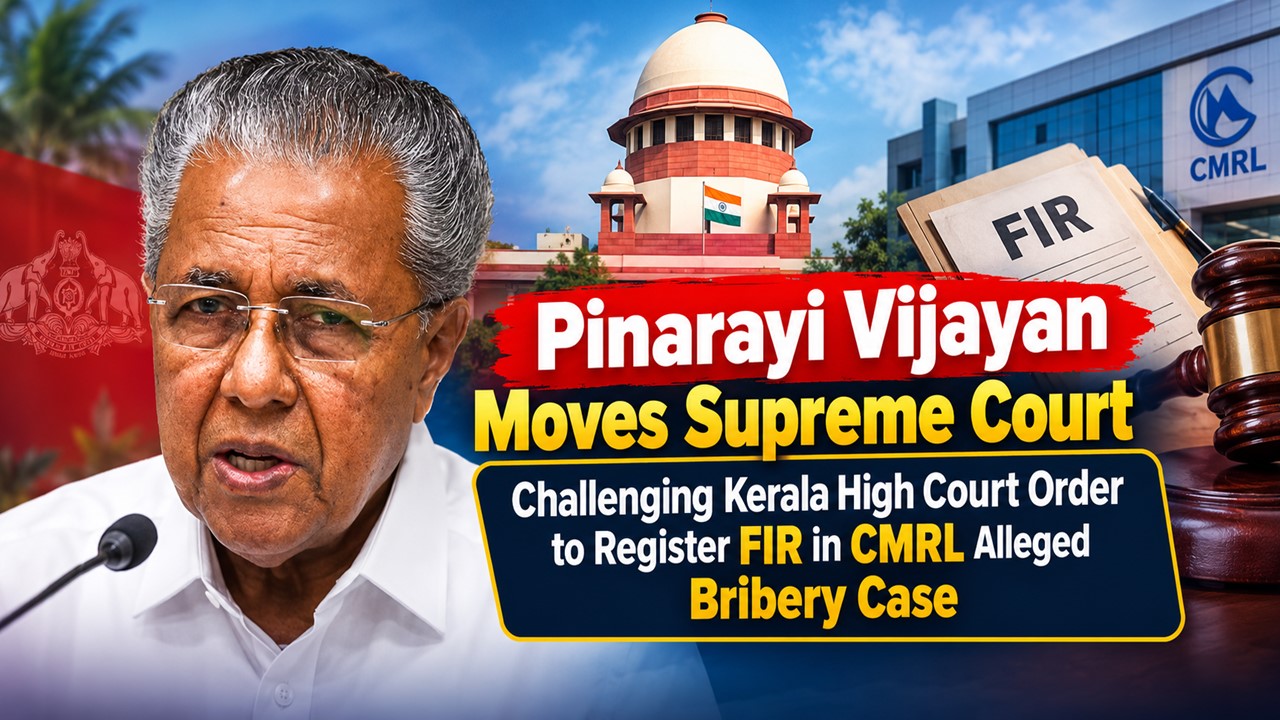
- Pinarayi Vijayan Moves Supreme Court Challenging Kerala High Court Order to Register FIR in CMRL Alleged Bribery Case
- CBI Lays Trap in Srinagar, Arrests SMC Ward Officer Red-Handed While Allegedly Accepting Rs 10,000 Bribe
- NIIT Limited Discloses Income Tax Department’s Appeal Before Delhi ITAT, Says No Adverse Financial Impact Expected
- Fake WhatsApp Boss Dupes Company Accountant of Rs 40 Lakh; Surat Police Arrest Haryana Man in Cyber Fraud Case
- Uttarakhand Tax Department Detects Rs 2.5 Crore Tax Evasion at Ramnagar Resort
Up Next
Loading suggestions…


Recent Posts

All Posts


Recent Posts
All Posts