Closing FY 2025-26? Here Are Critical GST Compliances Before March 31:
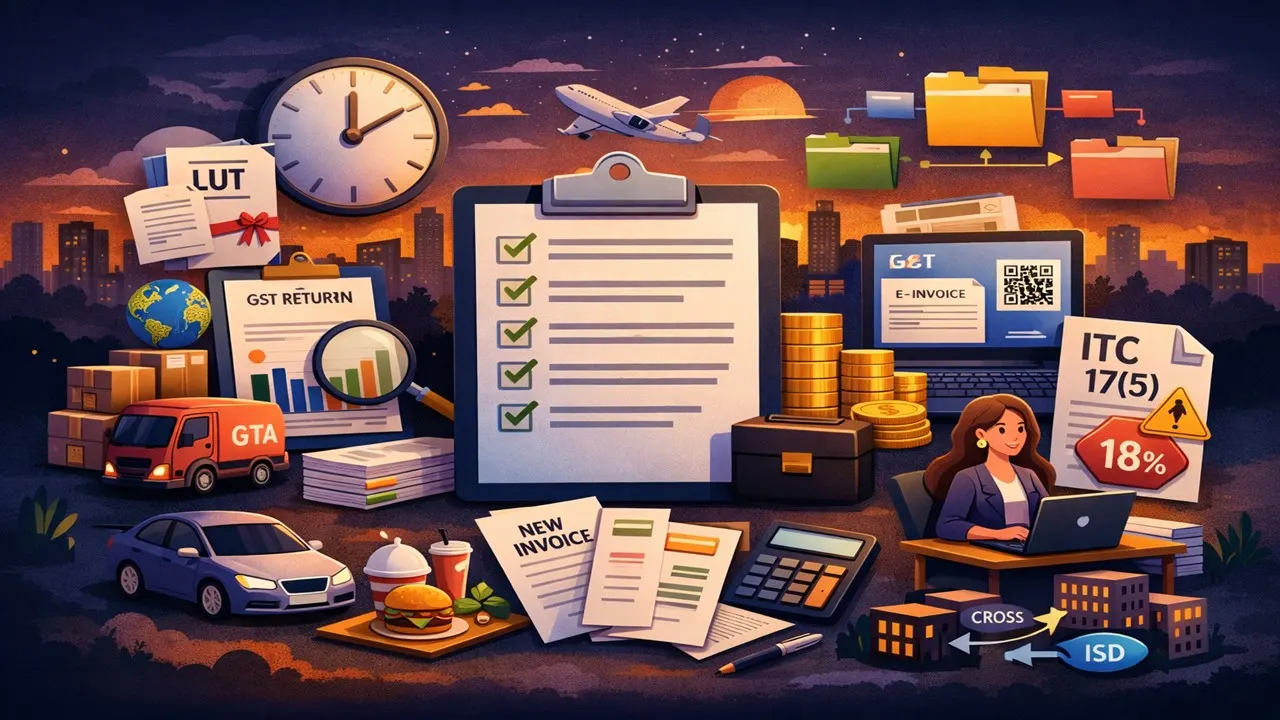
A comprehensive guide to the key GST compliances and deadlines taxpayers must complete before March 31, 2026.
Important Deadlines Before Entering FY 2026-27
 Vanshika verma
 Mar 10, 2026
Closing FY 2025-26? Here Are Critical GST Compliances Before March 31
As FY 2025-26 comes to an end, the year-end rush is not only about completing accounts or closing the books. It is also an important time to review your GST compliance and ensure everything is in order. Taking the right steps now can help protect your business from future GST notices, disputes, or penalties.
As we move into FY 2026-27, several important GST timelines and conditions come into play. Many of these deadlines are crucial, which means if you miss them, the opportunity is gone permanently.
The following is the complete guide of all important deadlines:
1. Composition Scheme
If you want to join or leave the Composition Scheme for FY 2026-27, you must do it before March 31, 2026. This scheme is available only if your annual turnover is up to Rs 1.5 crore.
2. LUT Renewal for Exporters
Exporters should submit the Letter of Undertaking (LUT) in Form GST RFD-11 before March 31. This allows you to export goods/services without paying IGST, so your money does not get stuck in tax refunds.
3. GTA Declarations (Annexure V & VI)
If you run a Goods Transport Agency (GTA), you must choose the option for Forward Charge (FCM) or Reverse Charge (RCM). You must make this choice before March 31 for the next financial year.
4. QRMP Scheme Opt-in/Opt-out
Taxpayers with turnover below Rs 5 crore can choose the QRMP scheme. If you want to change this option for April-June 2026, the deadline is April 30, 2026.
5. Important Reconciliation
Check and match your records carefully. Do a three-way comparison between:
- Your Books of Accounts
- GSTR-1 and GSTR-3B returns
- GSTR-2B and GSTR-3B (for Input Tax Credit)
- Also check for missing credit notes, scrap sales, or sales of fixed assets.
- Motor vehicles
- Personal expenses
- Food & beverages
- Cross Charge, or
- Input Service Distributor (ISD).
- Invoices
- Bills of supply
- Credit/Debit notes
- This helps avoid technical errors in GST filings
About Author


Vanshika verma
Content Writer
Vanshika Verma is a Content Writer with 1+ year of experience at Studycafe.in. A B.Com graduate from Delhi University, She writes articles on Finance, Tax, ICAI, GST, and the latest financial news, with a focus on making complex topics easy for readers and professionals.
Vanshika Verma is a Content Writer with 1+ year of experience at Studycafe.in. A B.Com graduate from Delhi University, She writes articles on Finance, Tax, ICAI, GST, and the latest financial news, with a focus on making complex topics easy for readers and professionals.
 Studycafe
 Delhi, Delhi, India
 2128
2128My Recent Articles
- Opium Poppy Licence Policy 2026-27: Check Who Can Apply, Minimum Morphine Yield Criteria, and Other Details
- Hindustan Foods Gets Rs 17.15 Lakh GST Demand Order, Says No Material Impact on Financials or Operations
- Centre Announces New Opium Poppy Cultivation Policy for 2026-27, Sets Minimum Yield Benchmark of 800 Kg per Hectare [Read Notification]
- Pratapgarh Police Inspector Death Case: Lucknow Special CBI Court Sentences Accused to 10 Years in Prison
- eMudhra Announces Exit From Global Digital Certificate Business After Major Security Flaw Raises Internet Safety Concerns
Up Next
Loading suggestions…


Recent Posts
All Posts

Tags
Recent Posts
All Posts