Delhi HC Rules: Seized Gold Is Not Automatically Returnable After 120 Days:
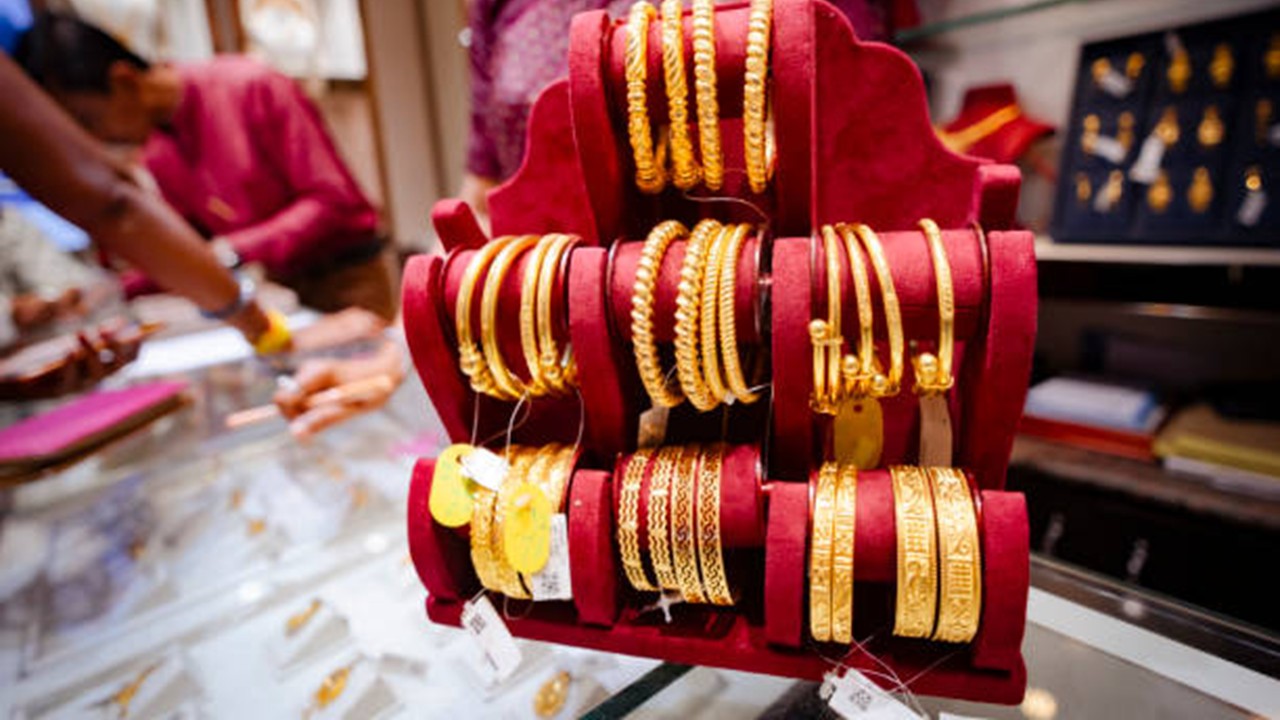
Explaining the ‘Nature and Source’ of Jewellery to the Assessing Officer Is a Mandatory Pre-Condition for Release
No Automatic Release of Seized Gold After 120 Days: HC Clarifies Section 132B
 Meetu Kumari
 Dec 26, 2025
Delhi HC Rules: Seized Gold Is Not Automatically Returnable After 120 Days
The petitioners, Rajesh Gupta and his family members, were subjected to a search and seizure operation by the Income Tax Department in October 2024. During the search, the revenue seized gold coins and jewellery weighing approximately 2,519 grams, with an estimated value of over Rs. 3.88 crore. The petitioners claimed that the seized assets were fully disclosed in their past Income Tax and Wealth Tax returns.
An application for release of the jewellery was filed under Section 132B of the Income Tax Act, 1961, that the explained assets were required to be released within 120 days from the date of search. The High Court directed the Department to decide the application. Thereafter, the Assessing Officer rejected the request for release, citing discrepancies in valuation and inadequacy of explanations regarding the source of certain items. Aggrieved, the petitioners filed the present writ petition challenging the refusal to release the seized jewellery.
Question of Law: Whether the 120-day period prescribed under the second proviso to Section 132B(1)(i) of the Income Tax Act is mandatory, and whether expiry of this period entitles an assessee to automatic release of seized jewellery irrespective of the Assessing Officer’s satisfaction regarding its nature and source.
HC's Decision: The High Court dismissed the writ petition, holding that the 120-day period stipulated under Section 132B(1)(i) is directory and not mandatory. The Court observed that the statute itself provides a consequence for delay in the form of interest payable under Section 132B(4), and therefore, non-compliance with the timeline does not result in automatic release of seized assets.
The Court further held that the release of seized jewellery is conditional upon the Assessing Officer being satisfied about the nature and source of acquisition. Here the AO had recorded valid reasons for rejection. Since judicial review under Article 226 is confined to examining the legality of the decision-making process and not reappreciating factual determinations, the Court found no grounds to interfere with the AO’s decision. Thus, the jewellery was held liable to be retained till completion of assessment proceedings.
To Read Full Judgment, Download PDF Given Below
About Author


Meetu Kumari
Content Manager
Meetu Kumari is an Experienced Advocate and Content Writer with 4+ years of demonstrated history of working in the law practice industry. Skilled in Developing Content, Researching, and Drafting. Strong professional with a Bachelor of Science (B.Sc.) focused on Law from Gujarat National Law University.
Meetu Kumari is an Experienced Advocate and Content Writer with 4+ years of demonstrated history of working in the law practice industry. Skilled in Developing Content, Researching, and Drafting. Strong professional with a Bachelor of Science (B.Sc.) focused on Law from Gujarat National Law University.
 Studycafe
 Jodhpur, Rajasthan, India
 2264
2264My Recent Articles
- ITAT Condones 302-Day Delay, Restores Salary Assessment for Fresh VerificationPremium
- ITAT Condones Delay After Tax Consultant's Death, Restores Appeals for Fresh HearingPremium
- ITAT Remands Salary Addition, Says Taxability Depends on Salary Becoming Due, Not Mere ReceiptPremium
- ITAT Deletes TP Royalty Adjustment, Orders Fresh Review of Commission BenchmarkingPremium
- ITAT Quashes Reassessment Over Unsigned Section 148 Notice Issued to AssesseePremium
Up Next
Loading suggestions…


Recent Posts



All Posts


Recent Posts
All Posts