GST 2.0: Big Relief for Coal Sector as Cess Removed, Boost to Aatmanirbhar Bharat:
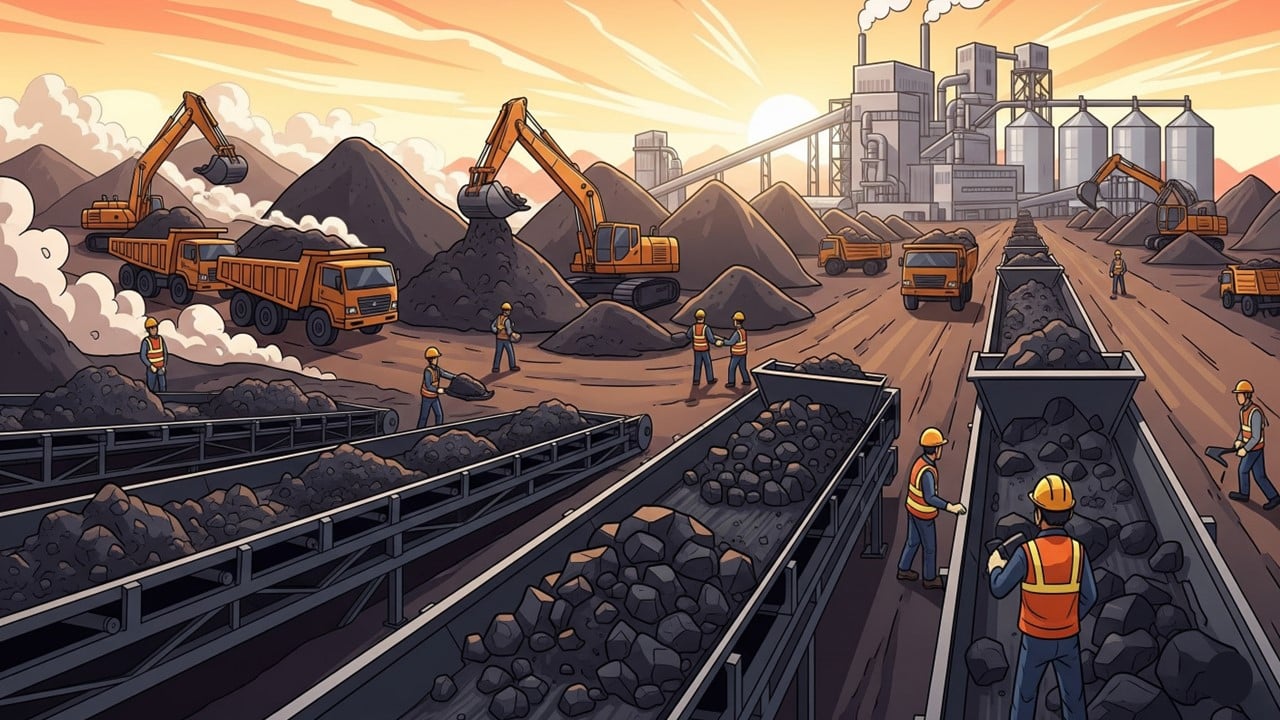
The 56th GST Council meeting removed the Rs. 400 per ton cess on coal, raised GST to 18%, rationalized tax incidence to 39.81%, and reduced power generation cost by 17–18 paise per unit.
Cess Removed, GST Hiked To 18%, Power Costs Set To Drop
 Saloni Kumari
 Sep 13, 2025
GST 2.0: Big Relief for Coal Sector as Cess Removed, Boost to Aatmanirbhar Bharat
The recent major changes to India's taxation structure of the coal sector are the conclusion of the 56th GST Council meeting held in New Delhi. Previously, coal used to attract GST of 5% and a compensation cess of Rs. 400 per ton. According to the recommendations served in the GST Council meeting, the government is likely to remove the GST Compensation cess on coal and increase the rate of GST on coal from 5% to 18%.
The new rules lower the tax on coal grades G6 to G17, which now range from Rs. 13.40 to Rs. 329.61 per ton. For the power sector, the average tax cut is Rs. 260 per ton, which will bring down the cost of electricity generation by about 17-18 paise per unit (kWh).
According to the reports, these reforms will also help in rationalising the tax burden on coal in relation to its pricing. Earlier, the government had levied a uniform GST compensation cess of Rs. 400 per tonne, regardless of coal's quality. This used to adversely affect low-quality and low-priced coal. For instance, G-11 non-coking coal is the type of coal that is mainly manufactured by Coal India Limited. It used to suffer a tax incidence of around 65.85%, while G2 coal used to suffer a tax incidence of 35.64%. With the new GST reforms in 2025, the compensation cess has been removed on all categories of coal, and the tax incidence has now been rationalised to a uniform 39.81% on all categories of coal.
The GST reforms of 2025 will also support the goal of Aatmanirbhar Bharat by reducing dependence on coal imports. Earlier, because of the flat GST compensation cess of Rs. 400 per ton, imported coal with higher calorific value often ended up being cheaper than India’s low-grade coal. This made Indian coal less competitive. With the cess now removed, both imported and domestic coal are on a level playing field, which strengthens India’s self-reliance and reduces unnecessary imports.
Earlier, coal companies were required to pay more GST on input services than the GST they were collecting on sales of coal, and since there was no opportunity given to claim a refund, this extra credit kept piling up and blocked their funds. Now, they will be able to use this unused credit for a few years to pay their GST liability. This will free up their money and reduce losses caused by unutilized GST credit.
Even though GST on coal has been increased from 5% to 18%, the overall tax burden on the final consumer will actually reduce as the GST compensation cess has been removed. In addition to this, rationalising duty rates and fixing the inverted duty structure will release more funds, remove distortions, and prevent big accounting losses for coal companies. Overall, these GST council decisions are balanced reforms that benefit both coal producers and consumers.
About Author


Saloni Kumari
Content Writer
Saloni is a Content Writer with 2+ years of experience at studycafe.in. She writes legal, taxation, and finance related content including GST, Income Tax etc. Skilled in translating complex judicial pronouncements and regulatory developments into clear, and reader-friendly articles. Experienced in covering judgements of ITAT, High Court, GSTAT, and news related to Income Tax, GST, and corporate law. She can be reached at [email protected].
Saloni is a Content Writer with 2+ years of experience at studycafe.in. She writes legal, taxation, and finance related content including GST, Income Tax etc. Skilled in translating complex judicial pronouncements and regulatory developments into clear, and reader-friendly articles. Experienced in covering judgements of ITAT, High Court, GSTAT, and news related to Income Tax, GST, and corporate law. She can be reached at [email protected].
 StudyCafe
 Delhi, Delhi, India
 2924
2924My Recent Articles
- Major Relief in Arbitration Case: MCIA Denies Rs 908 Crore Statement Claim Made by Allied Silica Against Tata Chemicals
- MCA and ICSI to Hold User Awareness Session on Form AOC-4 Filing Amid Glitches on MCA-21 Version-3 Portal
- GSTN Introduces New E-Invoicing Facility for Self-Invoices Under Reverse Charge Mechanism
- Flexi Cap vs Multi Cap Funds: What's the Real Difference?
- IBA Recommends Public Sector Banks to Reduce Ambit of Physical Branch Audits to 50% of Total Business
Up Next
Loading suggestions…


Recent Posts



All Posts



Tags
Recent Posts
All Posts