GSTN Clarifies: No Major Change in GST Return System from October 1, 2025:

GSTN confirms that taxpayers will continue to file GST returns the same way even after October 2025.
GSTN Denies Social Media Rumours of Major Changes
 Vanshika verma
 Oct 11, 2025
Table of Contents

GSTN Clarifies: No Major Change in GST Return System from October 1, 2025
The Goods and Services Tax Network (GSTN) has clarified that social media posts about major changes to the GST return system from October 1, 2025, are misleading.
The advisory mainly explains that the new Invoice Management System (IMS) will not change how GSTR-2B, GSTR-3B, or Input Tax Credit (ITC) work.
No Change in Auto-Population of ITC
GSTN has clarified that there will be no change in the process of ITC auto-population. ITC will resume auto-populating in GSTR-3B from GSTR-2B, just like before. It will still depend on the invoices uploaded by suppliers in GSTR-1. The new IMS will not affect this auto-population process.New Flexibility for Credit Notes from October 2025
From the October 2025 tax period, there will be new updates for handling credit note management in IMS. Significant Points:- Recipient’s Control: The recipient can keep a credit note pending for some time instead of taking action right away.
- Flexible ITC Reversal: The recipient can reverse ITC only for the amount actually availed. This makes ITC calculations more accurate and fair.
- Objective: After GSTR-2B is created, taxpayers can still make changes in the Invoice Matching System (IMS) until they file GSTR-3B. If they accept or reject any invoices or credit notes during this time, GSTR-2B can be updated and made again with the latest updates before filing.
GSTR-2B Will Continue to Generate Automatically
GSTN clarified that GSTR-2B will keep getting generated automatically on the 14th of every month, as it does now. Taxpayers do not need to manually create or trigger GSTR-2B through IMS. GSTR-2B will continue to show eligible and ineligible ITC based on supplier data. However, IMS will allow taxpayers to perform a few actions, such as:- Accept or keep invoices pending.
- Take action on credit notes.
- View reconciliation summary.

What This Means for Taxpayers
This will be helpful for taxpayers, as it will be:- More flexibility - taxpayers can act on invoices and credit notes in IMS even after GSTR-2B is generated.
- No extra work - ITC and GSTR-2B processes remain the same.
- Accurate credit reversal - taxpayers can reverse only the ITC they actually used.
- IMS will make the process more transparent without making it more complicated.
About Author


Vanshika verma
Content Writer
Vanshika Verma is a Content Writer with 1+ year of experience at Studycafe.in. A B.Com graduate from Delhi University, She writes articles on Finance, Tax, ICAI, GST, and the latest financial news, with a focus on making complex topics easy for readers and professionals.
Vanshika Verma is a Content Writer with 1+ year of experience at Studycafe.in. A B.Com graduate from Delhi University, She writes articles on Finance, Tax, ICAI, GST, and the latest financial news, with a focus on making complex topics easy for readers and professionals.
 Studycafe
 Delhi, Delhi, India
 2096
2096My Recent Articles
- Pinarayi Vijayan Moves Supreme Court Challenging Kerala High Court Order to Register FIR in CMRL Alleged Bribery Case
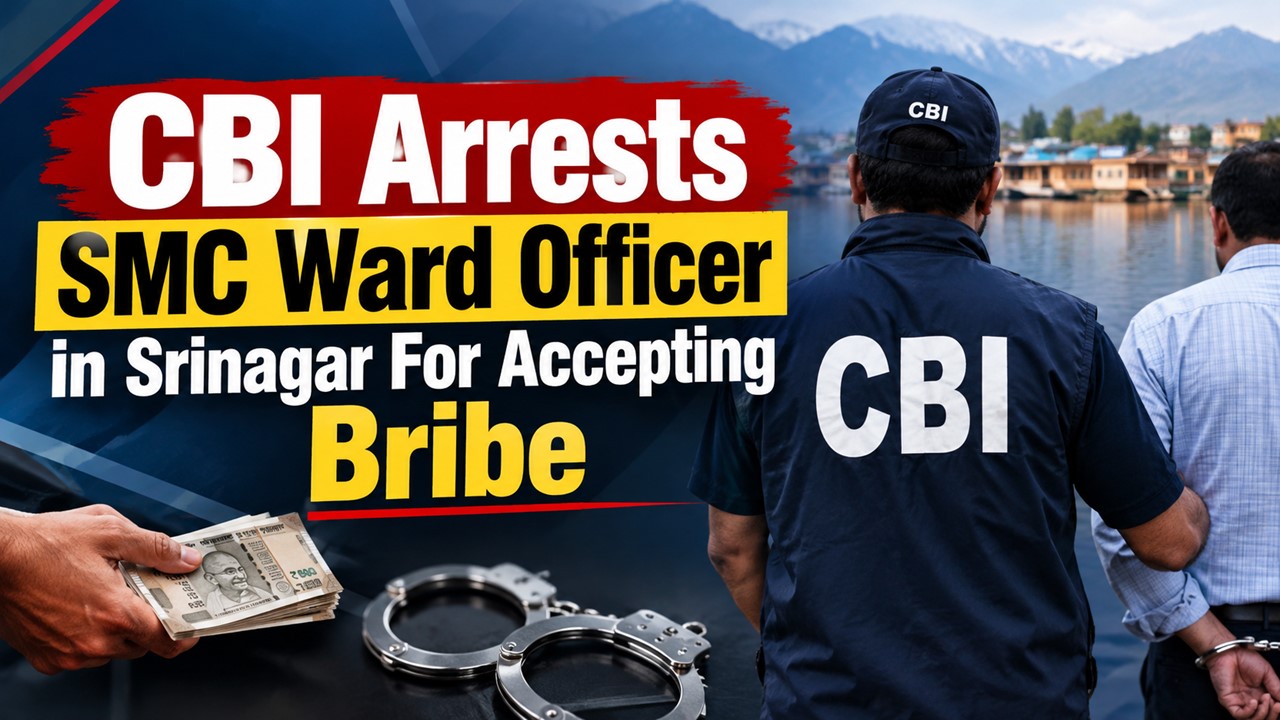
- CBI Lays Trap in Srinagar, Arrests SMC Ward Officer Red-Handed While Allegedly Accepting Rs 10,000 Bribe
- NIIT Limited Discloses Income Tax Department’s Appeal Before Delhi ITAT, Says No Adverse Financial Impact Expected
- Fake WhatsApp Boss Dupes Company Accountant of Rs 40 Lakh; Surat Police Arrest Haryana Man in Cyber Fraud Case
- Uttarakhand Tax Department Detects Rs 2.5 Crore Tax Evasion at Ramnagar Resort
Up Next
Loading suggestions…


Recent Posts


All Posts

Tags
Recent Posts
All Posts