GST Portal Updates 2025: Tighter Rules, IMS Workflow, and 3-Year Filing Limit:
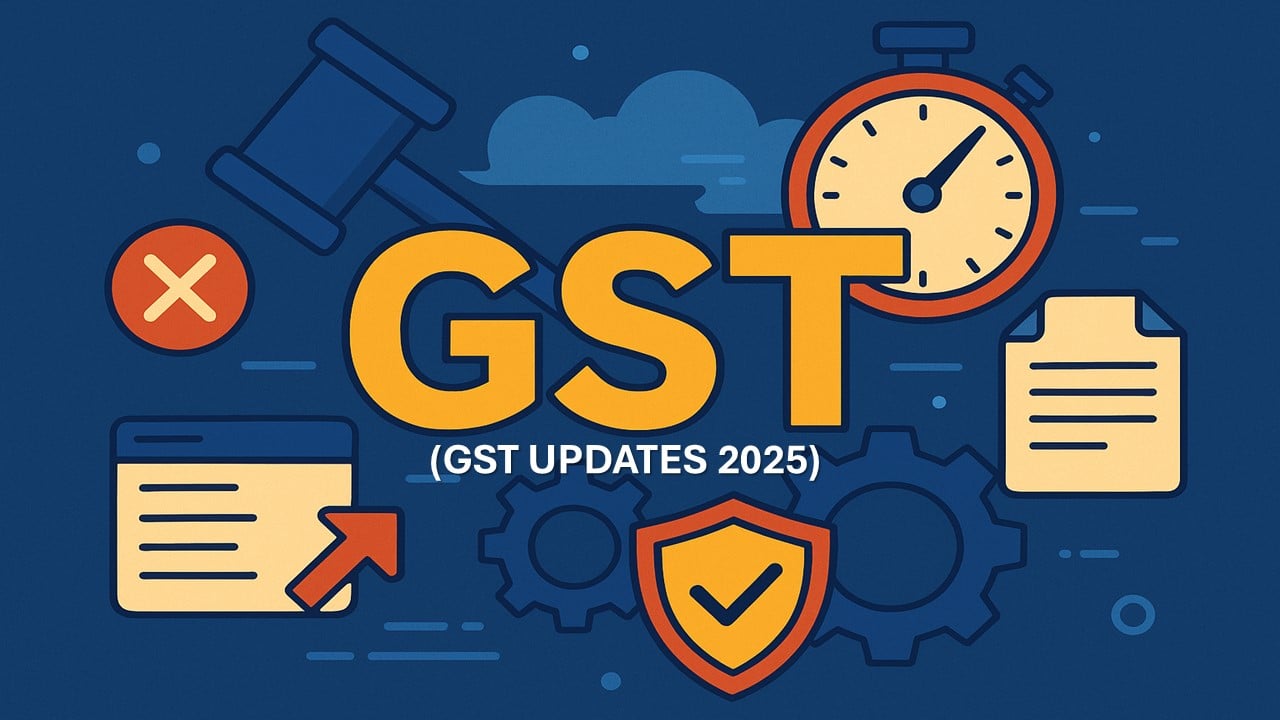
Credit note ITC reversals and Invoice Management System (IMS) workflow now mandatory for accurate filings.
IMS, ITC Reversals, and GST Filing Limits
 Vanshika verma
 Oct 4, 2025
Table of Contents

GST Portal Updates 2025: Tighter Rules, IMS Workflow, and 3-Year Filing Limit
The GST portal has introduced some new changes. They basically launched to:
- Make the rules tighter.
- Rely more on auto-generated data and the new Invoice Management System (IMS).
- Reduce the chance of fixing things late or backdating changes.
Pending GST returns older than 3 years will be blocked on the portal
This means you can’t file GST returns if they’re more than 3 years past the original due date. The rule is being applied gradually, tax period by tax period. Once it kicks in for a period, any return older than 3 years will be locked, you simply won’t be able to file it on the portal.Check your GST portal notices
The deadlines for sending notices under:- Section 73 (normal cases – certain past years), and
- Section 74 (fraud/intentional evasion – other years) is coming up or already flagged.
GSTR-1-GSTR-3B link tightened: auto-populated 3B/non-editable fields
GSTN has tightened the link between GSTR-1 and GSTR-3B. Now, the numbers reported in GSTR-1 will directly flow into GSTR-3B. For many tables, taxpayers won’t be able to manually change those figures in 3B. If something needs fixing, it has to be done through the supplier’s amendment in their return or by following the official amendment process – not by just editing the return freely.GSTR-2B/IMS: GSTR-2B is now a taxpayer-generated statement through IMS
Taxpayers will rely more on the Invoice Management System (IMS) to generate and manage the ITC-relevant draft, perform matching, accept/reject invoices and recompute the ITC position. The IMS now provides a controlled workflow through which taxpayers will be able to re-generate GSTR-2B like reports based on actions taken in IMS rather than passively waiting for a portal report. Due to this, IMS records and actions are becoming the authoritative source for ITC Claims and reconciliations.Credit Notes – recipient reversal of ITC is now mandatory in proportion; IMS changes to assist reversal
Where suppliers issue credit notes that reduce taxable value or tax, recipients who have already availed ITC on the original invoice are required to reverse the ITC to the extent it was availed, i.e., reversal only to the extent of ITC actually used; if no ITC was taken, no reversal is needed. IMS has been enhanced to allow recipients to declare the exact ITC availed and reverse only that portion and suppliers and recipients must coordinate through IMS action. IMS will reflect amended credit note data and recompute recipients' ITC accordingly.GSTR-7 (TDS Return) now requires invoice-wise reporting
GSTR-7 under TDS provisions of GST has been updated to require invoice-level reporting instead of summarised values. The GSTN portal has permitted invoice-wise filing functionality for GSTR-7 and deductors must prepare invoice-level TDS details for the relevant tax periods. This detail helps deductors and suppliers reconcile their accounts more correctly.What this means for taxpayers – practical Situations
Situation A – If you’re a buyer and you already took full ITC, but the supplier later issues a credit note: You need to reverse ITC only for the portion you actually claimed, not the full invoice amount. You must do this through IMS so that your GSTR-2B and GSTR-3B stay correct. Situation B – If you’re a supplier and you issue corrected invoices/credit notes: your liability will cut into outward returns. But the buyer’s ITC will not auto-adjust unless they take action in IMS. So, you should coordinate through IMS and make sure both sides’ records match. Situation C – Relying on old, late filings to fix mismatches won’t work anymore: With the 3-year limit in place, once returns get blocked, taxpayer will not be able to file them again. Any mismatches left unresolved could stay on record and may lead to notices.About Author


Vanshika verma
Content Writer
Vanshika Verma is a Content Writer with 1+ year of experience at Studycafe.in. A B.Com graduate from Delhi University, She writes articles on Finance, Tax, ICAI, GST, and the latest financial news, with a focus on making complex topics easy for readers and professionals.
Vanshika Verma is a Content Writer with 1+ year of experience at Studycafe.in. A B.Com graduate from Delhi University, She writes articles on Finance, Tax, ICAI, GST, and the latest financial news, with a focus on making complex topics easy for readers and professionals.
 Studycafe
 Delhi, Delhi, India
 2096
2096My Recent Articles
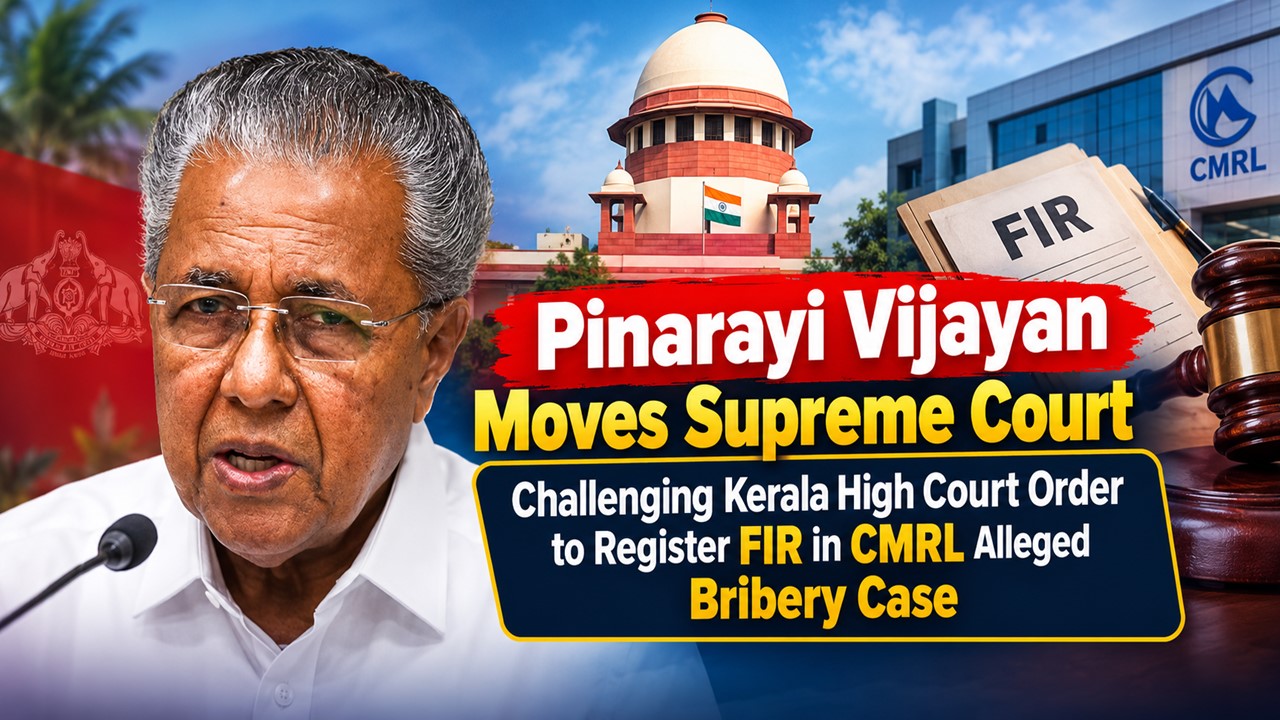
- Pinarayi Vijayan Moves Supreme Court Challenging Kerala High Court Order to Register FIR in CMRL Alleged Bribery Case
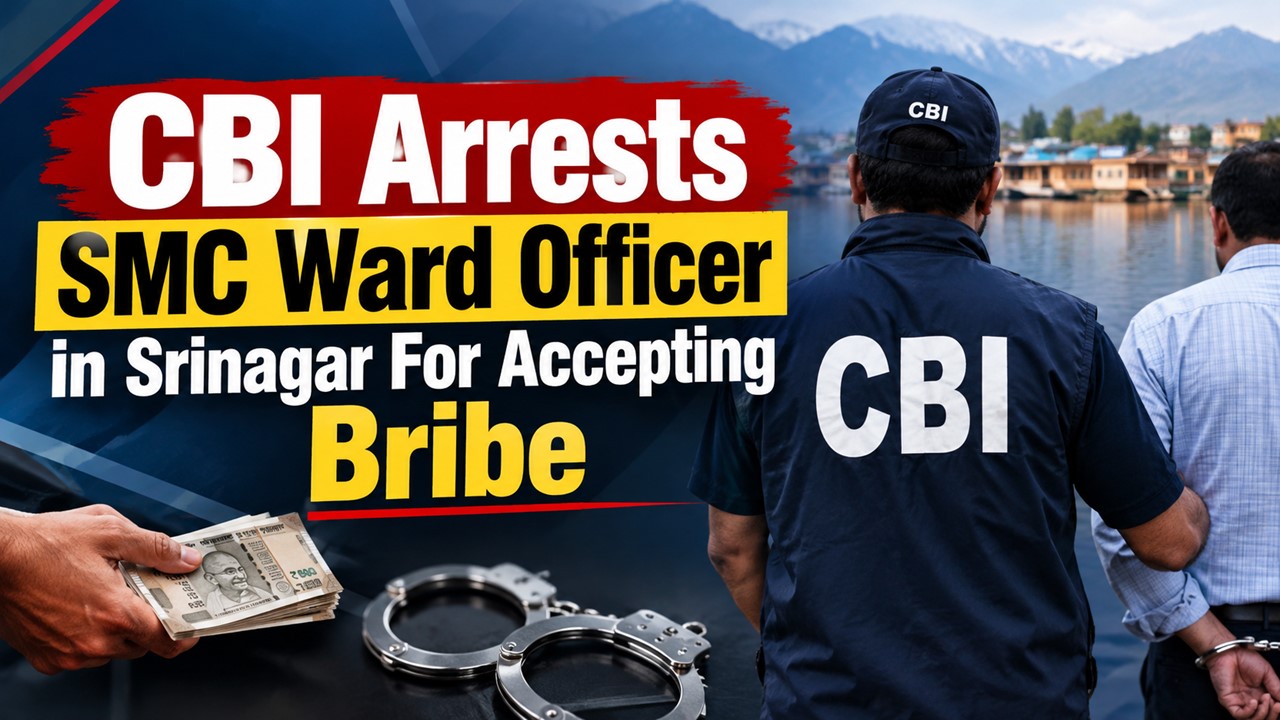
- CBI Lays Trap in Srinagar, Arrests SMC Ward Officer Red-Handed While Allegedly Accepting Rs 10,000 Bribe
- NIIT Limited Discloses Income Tax Department’s Appeal Before Delhi ITAT, Says No Adverse Financial Impact Expected
- Fake WhatsApp Boss Dupes Company Accountant of Rs 40 Lakh; Surat Police Arrest Haryana Man in Cyber Fraud Case
- Uttarakhand Tax Department Detects Rs 2.5 Crore Tax Evasion at Ramnagar Resort
Up Next
Loading suggestions…


Recent Posts
All Posts

Tags
Recent Posts
All Posts