High Court Affirms No Addition under Section 153A Without Incriminating Material:
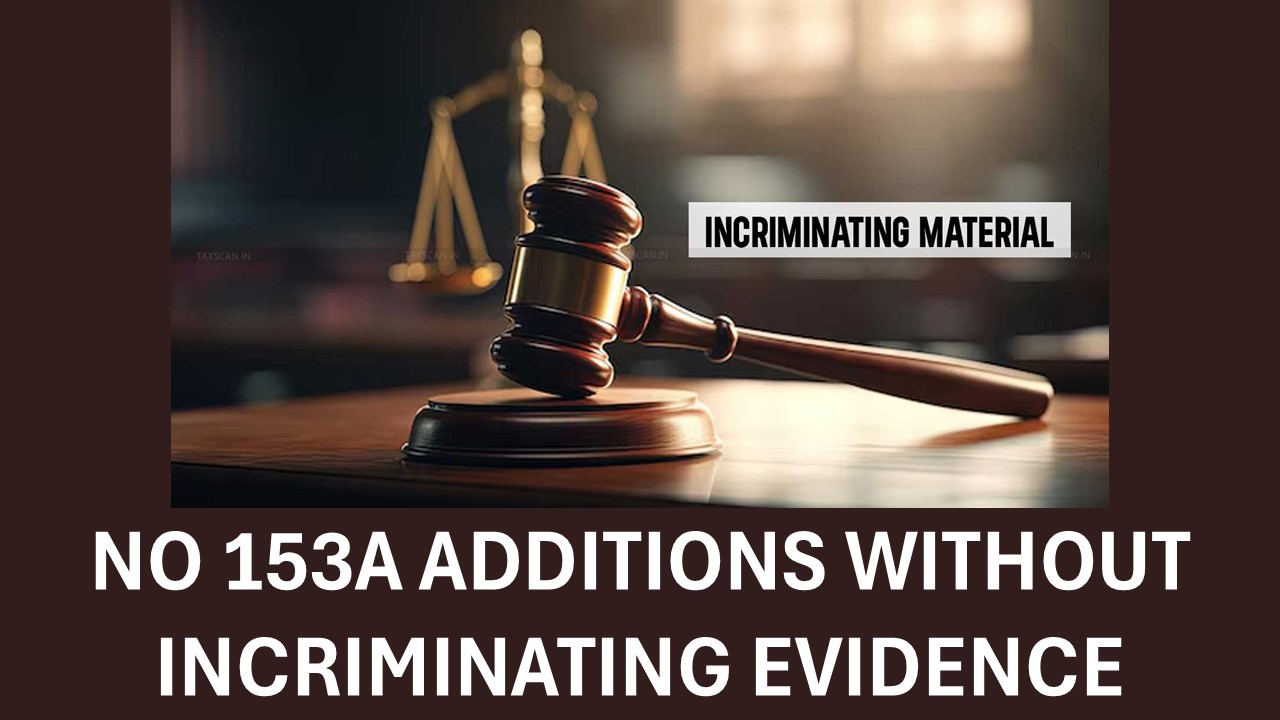
Completed assessments can't be reopened under Section 153A without fresh incriminating evidence from search.
High Court Clarifies Scope of Section 153A in Absence of Incriminating Material
 Meetu Kumari
 Jun 17, 2025
High Court Affirms No Addition under Section 153A Without Incriminating Material
Following a search on 25 April 2014 under Section 132, Income Tax Act, the Assessing Officer completed the assessment for AY 2010–11 under Section 153A, adding unexplained investments in unquoted shares based on book entries. The assessee challenged the additions before the CIT(A), who deleted the additions on merits but upheld the AO’s jurisdiction despite no incriminating material being found. While the Revenue appealed the deletion before the ITAT, the assessee cross-appealed, challenging the jurisdiction under Section 153A. Revenue filed for an appeal before ITAT due to the partial relief being granted by CIT(A), which was cross-objectioned to the jurisdiction itself due to lack of incrimination material
ITAT's Decision: The ITAT allowed the assessee’s objection, ruling that no additions could be made under Section 153A when no new incriminating material was found.
Issue Raised: Whether an assessment can be reopened under Section 153A in the absence of any incriminating material discovered during search proceedings, especially when the assessment for the relevant year was already completed.
Delhi HC Held: The Hon'ble Delhi High Court upheld the view given by ITAT that under Section 153A of the Income Tax Act, completed assessments cannot be reopened unless fresh incriminating material is found during the course of a search. The Court relied on the ruling given in CIT v. Kabul Chawla (2015 DHC 7044- DB), whereby it was held that Section 153A jurisdiction is only legitimate in cases where incriminating material is discovered during a search. The Hon'ble Apex Court in PCIT v. Abhisar Buildwell [(2024) 2 SCC 433] and the Delhi High Court in RRJ Securities Ltd. further upheld this principle by restating that reassessment under Section 153A is invalid in the absence of new information. In view of these authorities, the High Court upheld the ITAT's order quashing the assessment by dismissing the Revenue's appeal and ruling that the additions made without any incriminating documents were invalid.
About Author


Meetu Kumari
Content Manager
Meetu Kumari is an Experienced Advocate and Content Writer with 4+ years of demonstrated history of working in the law practice industry. Skilled in Developing Content, Researching, and Drafting. Strong professional with a Bachelor of Science (B.Sc.) focused on Law from Gujarat National Law University.
Meetu Kumari is an Experienced Advocate and Content Writer with 4+ years of demonstrated history of working in the law practice industry. Skilled in Developing Content, Researching, and Drafting. Strong professional with a Bachelor of Science (B.Sc.) focused on Law from Gujarat National Law University.
 Studycafe
 Jodhpur, Rajasthan, India
 2264
2264My Recent Articles
- ITAT Condones 302-Day Delay, Restores Salary Assessment for Fresh VerificationPremium
- ITAT Condones Delay After Tax Consultant's Death, Restores Appeals for Fresh HearingPremium
- ITAT Remands Salary Addition, Says Taxability Depends on Salary Becoming Due, Not Mere ReceiptPremium
- ITAT Deletes TP Royalty Adjustment, Orders Fresh Review of Commission BenchmarkingPremium
- ITAT Quashes Reassessment Over Unsigned Section 148 Notice Issued to AssesseePremium
Up Next
Loading suggestions…


Recent Posts
All Posts


Recent Posts
All Posts