How to Reclaim GST ITC on Rejected Invoices and Credit Notes in IMS:
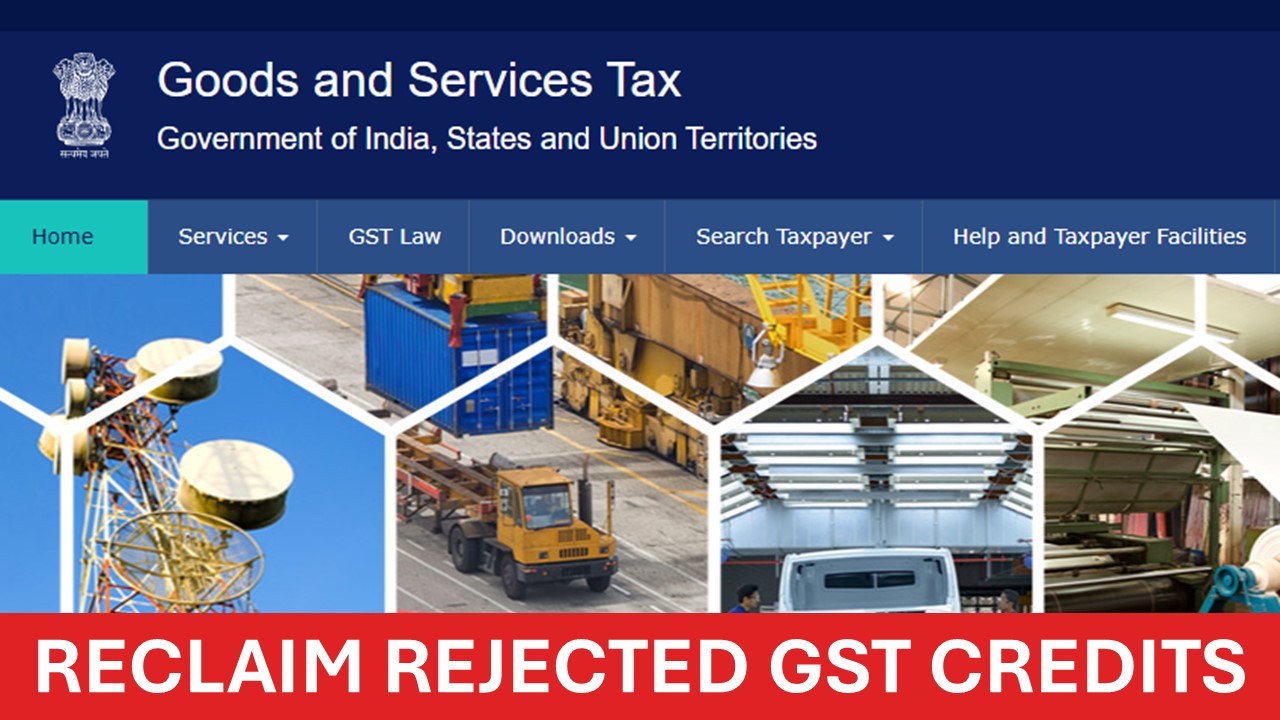
Learn how to reclaim GST Input Tax Credit (ITC) for rejected invoices and credit notes under IMS with simple steps for suppliers and recipients.
Fix Rejected GST ITC
 Anisha Kumari
 Jun 26, 2025
Table of Contents

How to Reclaim GST ITC on Rejected Invoices and Credit Notes in IMS
The taxpayers can now have a better visibility and control over their Input Tax Credit (ITC) after the launch of the Input Services Matching (IMS) system under GST. Still, there are certain problems which can occur when documents like invoices, debit notes, ECO-documents or credit notes are accidentally rejected. Let us know how recipients and suppliers can correct such issues and make sure ITC is claimed in proper way or reversed.
The IMS system provides a proper and clear structured way to solve the wrongly rejected documents. By following these easy steps, both suppliers and recipients can make sure that eligible ITC is claimed or reversed properly and that tax liabilities stay correct and fair.
Fixing Rejected Invoices, Debit Notes or ECO-Documents
If the GSTR-3B for that tax period is already filed and an invoice, debit note or Eco-document is rejected wrongly in IMS then the recipient can still claim ITC. The supplier has to re-report the same document without making any changes either in:- GSTR-1A of the same return period or
- The amendment table of GSTR-1 or IFF in a later return period

No Extra Tax for Suppliers When Re-Reporting
There will be no increase in tax liability for the supplier if the document was wrongly rejected by the recipient when the supplier reports it again using the same value. This is because:- The same value is reported same through GSTR-1A or an amendment in the return which supplier submitted again.
- The system considers the difference (delta value), which in this case is zero.
Reversing ITC for Rejected Credit Notes
If a supplier's credit note is wrongly rejected and GSTR-3B has already been filed, the recipient must ask the supplier to give him the same credit note again. This can be done through:- GSTR-1A of the same return period, or
- Amendment table in GSTR-1 or IFF of a later period
Supplier’s Tax Liability on Rejected Credit Notes
At starting, when a credit note is rejected in IMS, the supplier's liability increases. But when the same credit note is furnished again, the liability is reduced back. Which means that the net tax effect happens only once and there is no additional tax burden on the supplier.
Quick Summary of Actions and Outcomes
| Case | Action by Supplier | Action by Recipient | Effect on ITC or Tax Liability |
|---|---|---|---|
| Rejected Invoice or Debit Note | Re-report in GSTR-1A or amend in later period | Accept and recompute GSTR-2B | Full ITC becomes available again |
| Rejected Credit Note | Re-report the same Credit Note | Accept and recompute GSTR-2B | Full ITC is reversed |
| Supplier’s Tax Liability | Same value re-reported (no changes) | – | No extra tax liability (no double tax) |
About Author


Anisha Kumari
Content Writer
Anisha is a finance content writer at StudyCafe, writing on domains like mutual funds, stock market trends, GST, income tax, and SIPs. With a knack for breaking down complex financial topics, Anisha delivers clear and insightful articles that keep readers informed and empowered. She can be reached at [email protected].
Anisha is a finance content writer at StudyCafe, writing on domains like mutual funds, stock market trends, GST, income tax, and SIPs. With a knack for breaking down complex financial topics, Anisha delivers clear and insightful articles that keep readers informed and empowered. She can be reached at [email protected].
 Studycafe
  Bokaro, Jharkhand, India
 321
321My Recent Articles
- AI Tools Catch Rs. 68 Lakh Capital Gains Tax Fraud in Hyderabad
- Bank of Baroda Chief Manager’s Suicide Raises Concerns Over Work Pressure
- CA in Trouble: ED Seizes Rs. 6.8 Cr Assets in ERDC Trust Fraud Case
- Gujarat Ambuja Exports Receives GST Demand Order of Rs. 33 Lakh
- GST AAR: Exchange of Silverscrap for finished ornaments Supply
Up Next
Loading suggestions…


Recent Posts

All Posts

Recent Posts
All Posts