Insurer cannot repudiate Insurance claim citing subsequent discovery of damage or corrosion: Supreme Court:
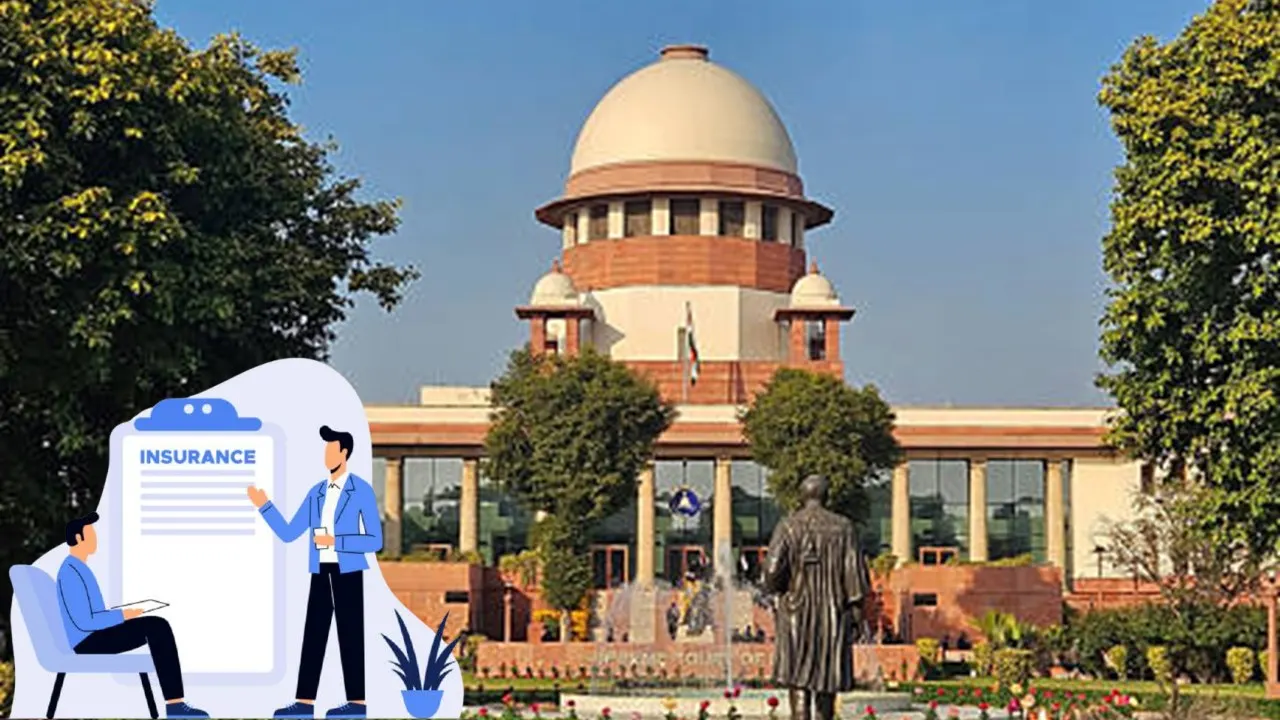
SC says insurer cannot deny claim post-accident based on corrosion findings; Boiler explosion during valid fitness certificate period keeps claim alive.
SC: Insurer Cannot Deny Boiler Explosion Claim Using Corrosion Exclusion; NCDRC Order Set Aside
 Meetu Kumari
 Nov 14, 2025
Insurer cannot repudiate Insurance claim citing subsequent discovery of damage or corrosion: Supreme Court
The appellant sugar factory insured its boiler (GT-23) with National Insurance for Rs. 1.60 crores for 01.02.2005–31.01.2006. On 12.05.2005, an explosion occurred, causing two tubes to slip off. Although the boiler held a valid fitness certificate under the Boilers Act, the insurer repudiated the claim citing corrosion, worn-out tubes (from 1986), and exclusion clause 5 of the Boiler & Pressure Plant (BPP) policy.
The State Commission partly allowed the consumer complaint and awarded compensation, but on appeal the NCDRC reversed the award, holding that slipping of tubes from corrosion was excluded. The appellant challenged this before the Supreme Court.
Issue Raised: Whether National Insurance could repudiate the claim by invoking exclusion clause 5 based on post-accident observations of corrosion and wear-and-tear, despite the boiler being certified fit and the accident described as an explosion.
SC Ruled: The Supreme Court held that the insurer was not correct in repudiating the claim. It found no denial of the appellant’s plea that an explosion occurred, and survey reports did not rule out an explosion. Corrosion discovered only after the blast could not retrospectively invalidate coverage, especially when the boiler had a valid statutory fitness certificate. No evidence showed misrepresentation, nondisclosure, or breach of policy terms by the insured, and the insurer had neither sought nor been denied inspection prior to issuing the policy. Exclusion clause 5 was held inapplicable.
The Court set aside the NCDRC order and restored the appeals before NCDRC solely for determining the quantum payable.
To Read Full Judgment, Download PDF Given Below
About Author


Meetu Kumari
Content Manager
Meetu Kumari is an Experienced Advocate and Content Writer with 4+ years of demonstrated history of working in the law practice industry. Skilled in Developing Content, Researching, and Drafting. Strong professional with a Bachelor of Science (B.Sc.) focused on Law from Gujarat National Law University.
Meetu Kumari is an Experienced Advocate and Content Writer with 4+ years of demonstrated history of working in the law practice industry. Skilled in Developing Content, Researching, and Drafting. Strong professional with a Bachelor of Science (B.Sc.) focused on Law from Gujarat National Law University.
 Studycafe
 Jodhpur, Rajasthan, India
 2264
2264My Recent Articles
- ITAT Condones 302-Day Delay, Restores Salary Assessment for Fresh VerificationPremium
- ITAT Condones Delay After Tax Consultant's Death, Restores Appeals for Fresh HearingPremium
- ITAT Remands Salary Addition, Says Taxability Depends on Salary Becoming Due, Not Mere ReceiptPremium
- ITAT Deletes TP Royalty Adjustment, Orders Fresh Review of Commission BenchmarkingPremium
- ITAT Quashes Reassessment Over Unsigned Section 148 Notice Issued to AssesseePremium
Up Next
Loading suggestions…


Recent Posts


All Posts

Tags
Recent Posts
All Posts