ITR Must! 8 Transactions That Make Filing Compulsory:
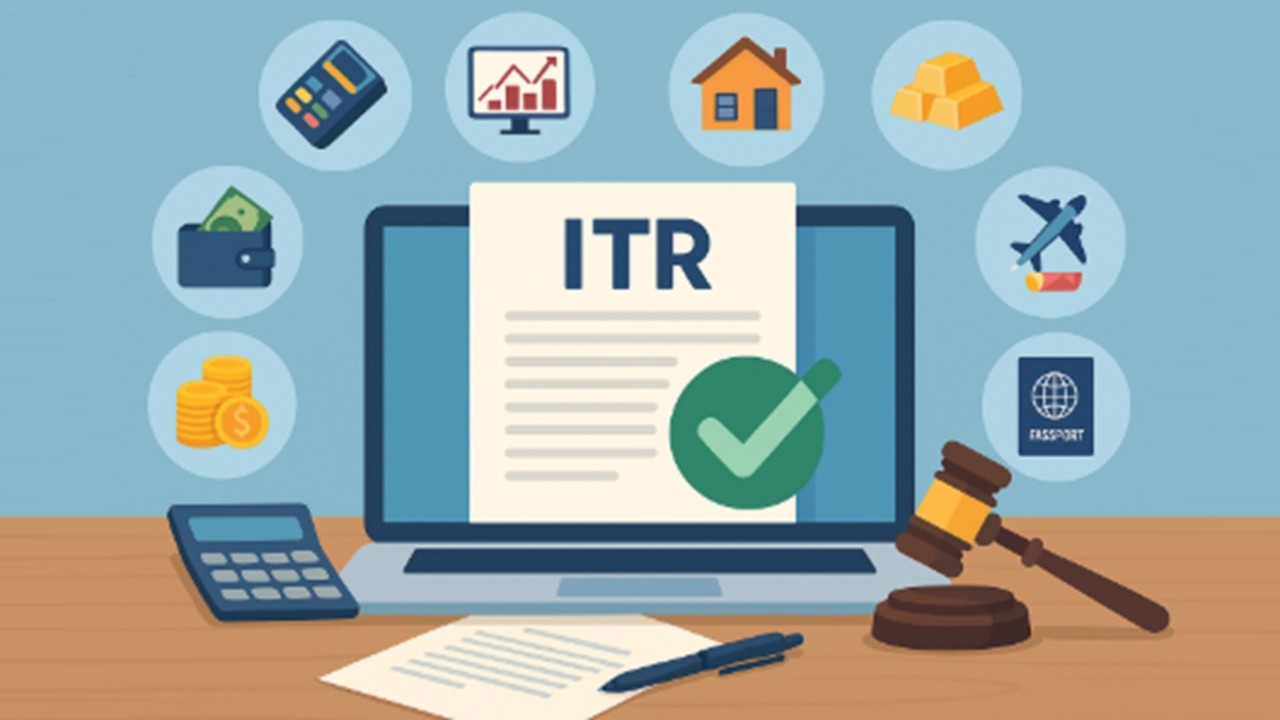
Avoid penalties, file your ITR if you've crossed any financial thresholds, even with income under Rs. 2.5 lakhs or Rs. 3 lakhs.
Is ITR Filing Mandatory for Low-Income Individuals?
 Vanshika verma
 Sep 8, 2025
Table of Contents

ITR Must! 8 Transactions That Make Filing Compulsory
As per the Income Tax Act, 1961, filing ITR is not always compulsory if an individuals income is below the basic exemption limit of Rs 2.5 lakh under the old tax regime or Rs 3 lakh under the new tax regime.
However, the tax rules suggests individuals that no matter if the their income is below the basic exemption limit, they should still file an ITR if they engage in mentioned transactions.
Several questions arises in taxpayers mind one of which is: Do taxpayers need to file ITR if taxpayers have any foreign assets or foreign income?
The answer to the above questions is, If a resident individual retain assets including bonds of foreign companies, shares, a house in foreign countries or has income including dividends, interest or rent from foreign countries, then filing ITR is a must. Also, if in case an individual invests his money in foreign assests in his parent's name and the income of his parents is less than the basic exemption limit then in such case ITR filing is Compulsory too but for the parent as per Section 139(1) of the Income-tax Act.
Penalties for not filing ITR after the deadline
Filing an income tax return after the deadline may result in a late filing penalty. As per Section 234F of the Income-tax Act, 1961, a late filing fee will be imposed:- If taxpayers income is below the basic exemption limit then a penalty of Rs 1,000 will be apply.
- If taxpayers income is not more than Rs 5 lakh than a penalty of Rs 1,000 will be apply.
- If in case taxpayers income is above the basic limit as well as meets the other mentioned criteria also then in such case filing an ITR is essential under Section 139 of the Income tax Act, 1961.
Conditions under which ITR filing is compulsory
Here are some conditions mentioned under which filing ITR is compulsory even if taxpayers income is below the basic exemption limit of Rs 2.5 lakh under old regime and Rs 3 lakh under new regime.| Conditions | Meaning of the conditions | |
| 1 | Spent Rs 2 lakh or more on foreign travel | Includes spending by you or someone else for travel abroad. |
| 2 | Hold foreign assets, income, or signing authority overseas | Applies to residents; you'll need to report these details. |
| 3 | TDS or TCS of Rs 25,000 or more (Rs 50,000 for seniors) | Total tax deducted or collected in the year triggers filing. |
| 4 | Deposits over Rs 1 crore in current accounts | Even aggregated deposits across multiple accounts force filing. |
| 5 | Deposits over Rs 50 lakh in savings accounts | Total savings deposits in the year must be reported. |
| 6 | Business turnover exceeds Rs 60 lakh | Applies even if business profit is low or zero. |
| 7 | Professional gross receipts exceed Rs 10 lakh | Consultancy, medical, legal, etc.—any professional income over this limit mandates ITR. |
| 8 | Paid Rs 1 lakh or more in electricity bills | Aggregate spending across the year counts |
About Author


Vanshika verma
Content Writer
Vanshika Verma is a Content Writer with 1+ year of experience at Studycafe.in. A B.Com graduate from Delhi University, She writes articles on Finance, Tax, ICAI, GST, and the latest financial news, with a focus on making complex topics easy for readers and professionals.
Vanshika Verma is a Content Writer with 1+ year of experience at Studycafe.in. A B.Com graduate from Delhi University, She writes articles on Finance, Tax, ICAI, GST, and the latest financial news, with a focus on making complex topics easy for readers and professionals.
 Studycafe
 Delhi, Delhi, India
 2096
2096My Recent Articles
- Pinarayi Vijayan Moves Supreme Court Challenging Kerala High Court Order to Register FIR in CMRL Alleged Bribery Case
- CBI Lays Trap in Srinagar, Arrests SMC Ward Officer Red-Handed While Allegedly Accepting Rs 10,000 Bribe
- NIIT Limited Discloses Income Tax Department’s Appeal Before Delhi ITAT, Says No Adverse Financial Impact Expected
- Fake WhatsApp Boss Dupes Company Accountant of Rs 40 Lakh; Surat Police Arrest Haryana Man in Cyber Fraud Case
- Uttarakhand Tax Department Detects Rs 2.5 Crore Tax Evasion at Ramnagar Resort
Up Next
Loading suggestions…


Recent Posts



All Posts



Recent Posts
All Posts