Know Best Ways to Use Your Income Tax Savings in 2025:

The Income Tax Bill 2025 has done slab rates and rebate limit changes, exempting individuals earning up to Rs.12L. This increased disposable income in taxpayers hands.
Best Use of Tax Savings in 2025
 Reetu
Reetu Feb 26, 2025
Table of Contents

Know Best Ways to Use Your Income Tax Savings in 2025
The Income Tax Bill of 2025 has introduced revised slab rates and increased the rebate limit to Rs.12 lakh, exempting individuals earning up to this amount from taxation. This change allows taxpayers to save between Rs.35,000 and Rs.110,000, resulting in increased disposable income.
Prioritising loan repayments and keeping the debt-to-income ratio below 30% are the first steps in an organised strategy for allocating these savings effectively.
Financial stability may also encourage responsible borrowing. Second, investing in mutual funds, shares, or fixed deposits can help you build wealth. Current trends suggest a preference for mutual funds over direct equity investing, as indicated by growing Demat account openings and rising SIP inflows.
Third, if financial security is achieved, increasing consumer spending on luxury goods, tourism, and automobiles may push the economy forward. Finally, entrepreneurs and businesses can take this opportunity to capitalise on rising consumer demand, particularly in industries such as fashion, FMCG, healthcare, and e-commerce.
In addition, banks anticipate loan book expansion, boosted by the RBI's recent interest rate decreases. While these tax changes provide chances for economic growth, individuals must manage their finances carefully to avoid reckless spending that could undo the gains of their savings.
This structural shift in taxation will have far-reaching consequences for many sectors of the economy. Various businesses, financial institutions, and even the government are planning how to put this increased cash in the hands of taxpayers.
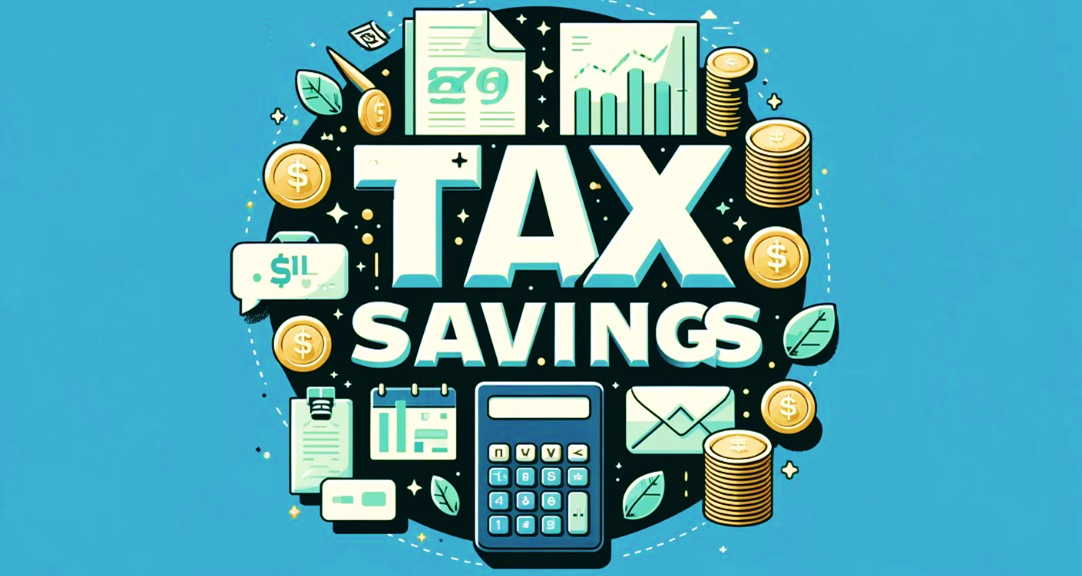 The dilemma is, with additional income, where should people invest their money effectively?
One should plan to use their savings in the following order:
The dilemma is, with additional income, where should people invest their money effectively?
One should plan to use their savings in the following order:
The dilemma is, with additional income, where should people invest their money effectively?
One should plan to use their savings in the following order:
1. Investments in Mutual Funds, Equities, or Fixed Deposits with Banks
After being debt-free, one should consider investing their savings in capital markets. Recent trends indicate that people are now more comfortable investing in mutual funds than in individual stocks. This is backed by recent statistics, which show that new Demat account openings, which peaked at 4.5 million in September 2024, are now at a low of 2.83 million in January 2025. However, SIP inflows for the September month were 24,509 Cr in September 2024 and Rs 26,400 Cr in January 2025.2. Prior Loan Repayment and New Borrowing
The first goal of any person should be to become debt-free. Ideally, the Debt to Income Ratio should be less than 30%, which means that your monthly debt repayments should not exceed 30% of your monthly income. Those with a debt-to-income ratio of more than 30% should use their tax savings to pay off loans more quickly, reducing debt burdens and improving credit scores. Conversely, increasing financial security may encourage people to take out new loans. However, new borrowing should be done while keeping the debt-to-income ratio under control.3. Business Sector—Entrepreneurial Opportunities and Growth of Market
Entrepreneurs and start-ups will explore new demand niches and launch innovative products and services to meet the evolving consumer base. Automobiles, fashion, fast-moving consumer goods, healthcare, and e-commerce will benefit from increased consumer spending, creating jobs and expanding businesses.4. Rising Consumer Spending and Economic Growth
After being debt-free and investing the savings, one should concentrate on expenses. With more disposable income, one can spend more on luxury items, vacations, automobiles, and consumer electronics, depending on their own goals and spending habits.At the end, one should think, what can one learn from this?
Businesses will see an increase in consumer spending power as a chance for market expansion and revenue growth, particularly in the tourism and auto sectors, as proved by Maruti Suzuki reporting their best ever vehicle sales in December 2024. Banks will see this as an opportunity to increase their loan book and deposits. Additionally, with the RBI lowering interest rates by 0.25% and further rate cuts expected up to 0.50%, the interest cost will be lower, resulting in higher liquidity for banks, strengthening their loan portfolios, while simultaneously boosting economic activity. The government has provided an opportunity for increased consumption, which will inevitably improve economic conditions. However, one should recognise and examine their own financial situation; excessive spending or mismanagement may negate the benefits of this opportunity.So make an informed decision—a rupee saved today can be worth a lot tomorrow!
About Author


Reetu
Content Manager
Reetu is a Content Writer with 4+ years of experience in GST, Income Tax, Finance, Company Law, Education and Career Related Content. She is a B.COM (Honrs.) Graduate.
Reetu is a Content Writer with 4+ years of experience in GST, Income Tax, Finance, Company Law, Education and Career Related Content. She is a B.COM (Honrs.) Graduate.
 Studycafe
 Delhi, Delhi, India
 8071
8071My Recent Articles
- Income Tax Guide for Indian Defence Personnel for Tax Filing, Taxable Allowances and Other Benefits
- Income Tax Return Breaking: ITR Forms released for AY 25-26
- Ex-DRT Officials Sentenced to 5 Years Rigorous Imprisonment by Madras High Court along with Rs.27 Lakh Fine
- GSTN issued Advisory on Case Sensitivity in IRN Generation
- RBI to issue Notes of Rs.10 and Rs.500 bearing Signature of Guv Malhotra
Up Next
Loading suggestions…


Recent Posts


All Posts

Tags
No tags yet.
Recent Posts
All Posts
Tags
No tags yet.