RBI cancels licence of Urban Co-operative Bank:
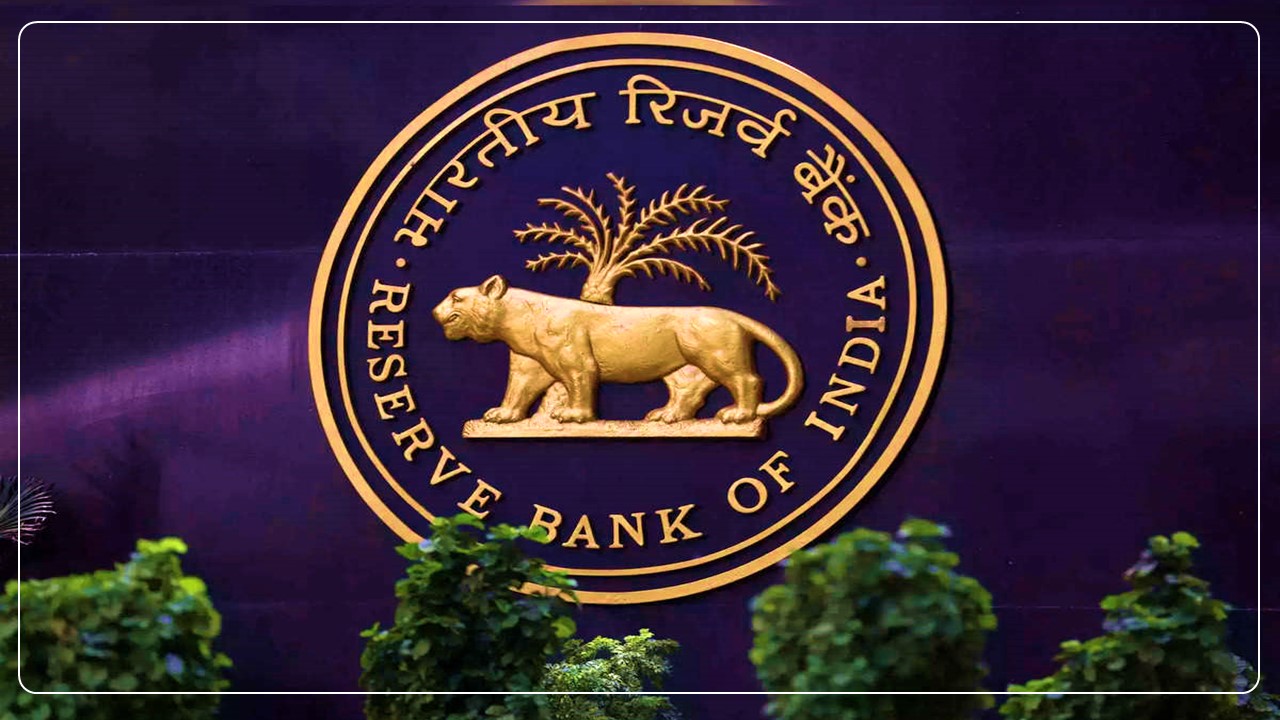
The Reserve Bank of India (RBI) has cancelled licence of Lucknow Urban Co-operative Bank Ltd., Lucknow, Uttar Pradesh.
Licence of Urban Co-operative Bank Cancelled
 Reetu
Reetu Sep 30, 2023
RBI cancels licence of Urban Co-operative Bank
The Reserve Bank of India (RBI) has cancelled the licence of Lucknow Urban Co-operative Bank Ltd., Lucknow, Uttar Pradesh. Consequently, the bank ceases to carry on banking business, with effect from the close of business on September 29, 2023 via order dated September 28, 2023.
The Commissioner and Registrar of Cooperatives in Uttar Pradesh has also been asked to issue an order for the bank's liquidation and appoint a liquidator.
The Reserve Bank cancelled the licence of the bank as:
- The bank lacks sufficient capital and earning potential. As such, it violates Sections 11(1) and 22(3)(d) of the Banking Regulation Act of 1949, as well as Section 56 of the Act.
- The bank failed to comply with the requirements of Sections 22(3)(a), 22(3)(b), 22(3)(c), 22(3)(d), and 22(3)(e) of the Banking Regulation Act of 1949, as read with Section 56.
- The continuance of the bank is prejudicial to the interests of its depositors.
- With its current financial situation, the bank would be unable to pay its current depositors in full.
- If the bank is permitted to continue operating as a bank, the public interest will suffer.
About Author


Reetu
Content Manager
Reetu is a Content Writer with 4+ years of experience in GST, Income Tax, Finance, Company Law, Education and Career Related Content. She is a B.COM (Honrs.) Graduate.
Reetu is a Content Writer with 4+ years of experience in GST, Income Tax, Finance, Company Law, Education and Career Related Content. She is a B.COM (Honrs.) Graduate.
 Studycafe
 Delhi, Delhi, India
 8071
8071My Recent Articles
- Income Tax Guide for Indian Defence Personnel for Tax Filing, Taxable Allowances and Other Benefits
- Income Tax Return Breaking: ITR Forms released for AY 25-26
- Ex-DRT Officials Sentenced to 5 Years Rigorous Imprisonment by Madras High Court along with Rs.27 Lakh Fine
- GSTN issued Advisory on Case Sensitivity in IRN Generation
- RBI to issue Notes of Rs.10 and Rs.500 bearing Signature of Guv Malhotra
Up Next
Loading suggestions…


Recent Posts

All Posts


Tags
Recent Posts
All Posts