RBI May Increase Reverse Repo Rates
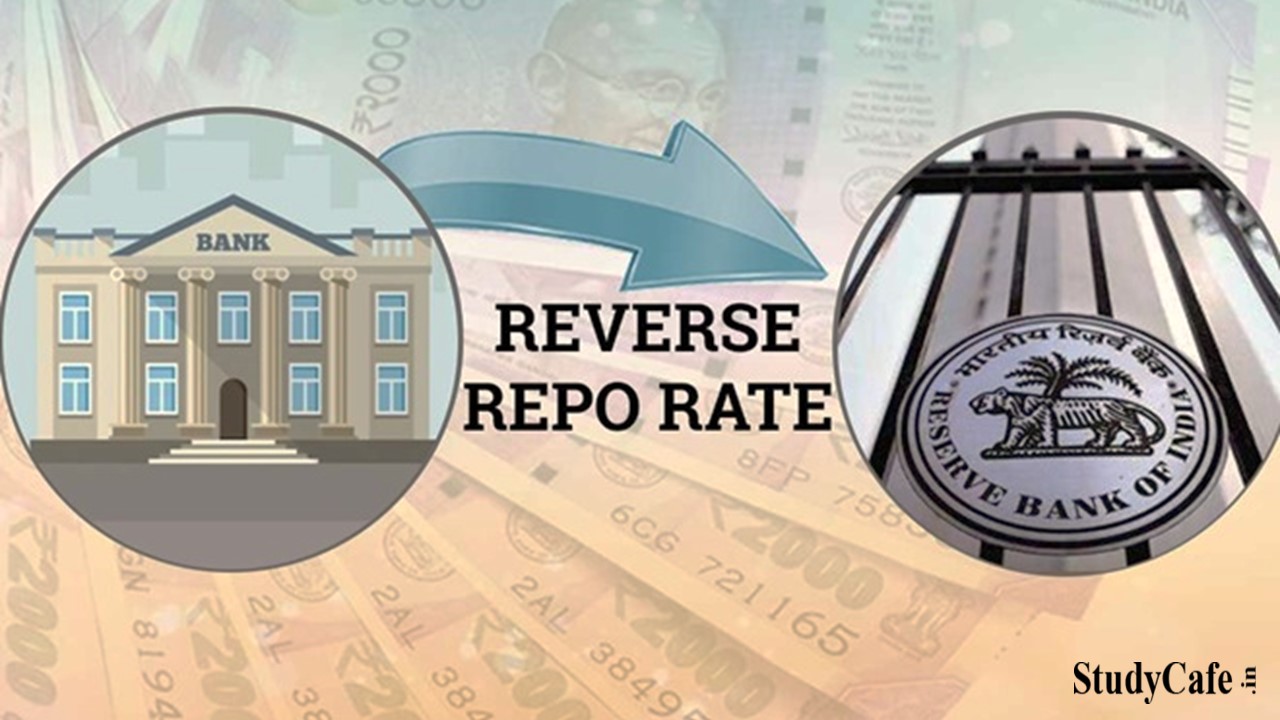
RBI May Increase Reverse Repo Rates Given that overnight call rates have risen above the rate at which the RBI allows banks to deposit their surplus …
 Sushmita Goswami
 Jan 28, 2022
RBI May Increase Reverse Repo Rates
Given that overnight call rates have risen above the rate at which the RBI allows banks to deposit their surplus money, a reverse repo rate hike in the future monetary policy is a certain conclusion. If the budget deficit exceeds 6.5 percent of GDP, even a rate hike in the repo rate may be considered.
The Reserve Bank of India's monetary policy committee (MPC), which will meet in less than a fortnight to decide on interest rates, will meet amid waning concerns about the impact of the rise in Omicron infections on India's revival story and rising concerns about retail inflation levels crossing the upper end of the mandated band of 2-6 percent.
The MPC is almost certain to raise the benchmark policy rates in light of this situation. "With the Indian economy on the mend, the RBI will be more willing to raise interest rates to combat persistently high inflation," said Prasanjeet Basu, chief economist at ICICI Securities. "Over the course of 2022, we expect the policy rate to climb by 50 basis points." Since May 2020, the repo rate, or the rate at which the central bank lends, has remained at 4%, while the reverse repo rate, or the rate at which it borrows from banks, has remained at 3.35 percent.
As the recent increase in Omicron variety has failed to significantly destabilize the economy, growth may not be as much of a problem. However, rising overnight call money rates strengthen the case for a rate hike. "The markets may have factored in that the present omicron will result in an endemic stage in the Covid cycle, resulting in a faster normalization of economic activities," said S K Ghosh, State Bank of India's group chief economic advisor. "We believe the stage is set for reverse repo normalization in India, with TREP and call rates now substantially higher than reverse repo rate.
"Despite the fact that the budget deficit is expected to decrease by 0.5 percent of GDP, it is expected to increase in rupee terms. Borrowings are expected to climb this year as a result of higher repayments "HSBC's top India economist, Pranjul Bhandari, said "For two reasons, tax buoyancy may not be as high in FY23: excise duty receipts are expected to diminish, owing to the reduction in oil taxes. And if the informal sector improves, the forced formalization-driven tax revenue growth may moderate "
Furthermore, the US Fed's proposed monetary tightening adds to the pressure for a rate hike. With a current account deficit of less than 2% of GDP, India is far more comfortable with its external balances than it was during the taper tantrum of 2013. However, after peaking at $639 billion in September, weekly foreign reserves growth has been nearly unchanged at $635 billion.
About Author


Sushmita Goswami
Content Manager
Sushmita Goswami is a content writer with 2+ years of experience in Finance, Recruitment, Education and career Related Content. She is a Graduate from Delhi University in Journalism and Mass Communication
Sushmita Goswami is a content writer with 2+ years of experience in Finance, Recruitment, Education and career Related Content. She is a Graduate from Delhi University in Journalism and Mass Communication
 Studycafe
  New Delhi , Delhi, India
 886
886My Recent Articles
- What to Consider When Choosing an Online Trading Platform?
- Post Office Franchise Scheme: Take Post Office Franchise at Rs 5000 and Earn Commission upto 20%; Check Details Here
- IAN invests INR 4.5 crore in Fintech NBFC Indium Finance
- UPI a Digital Public Good, No Charges in Consideration: Finance Ministry
- ITR Filing Penalty: Check Taxpayers Exempt from Paying a Late Fee even Missing the Deadline
Up Next
Loading suggestions…


Recent Posts


All Posts

Recent Posts
All Posts