SC Faults NCLT for Dismissing IBC Plea Without Proper Notice; Affidavit Error Held Curable:
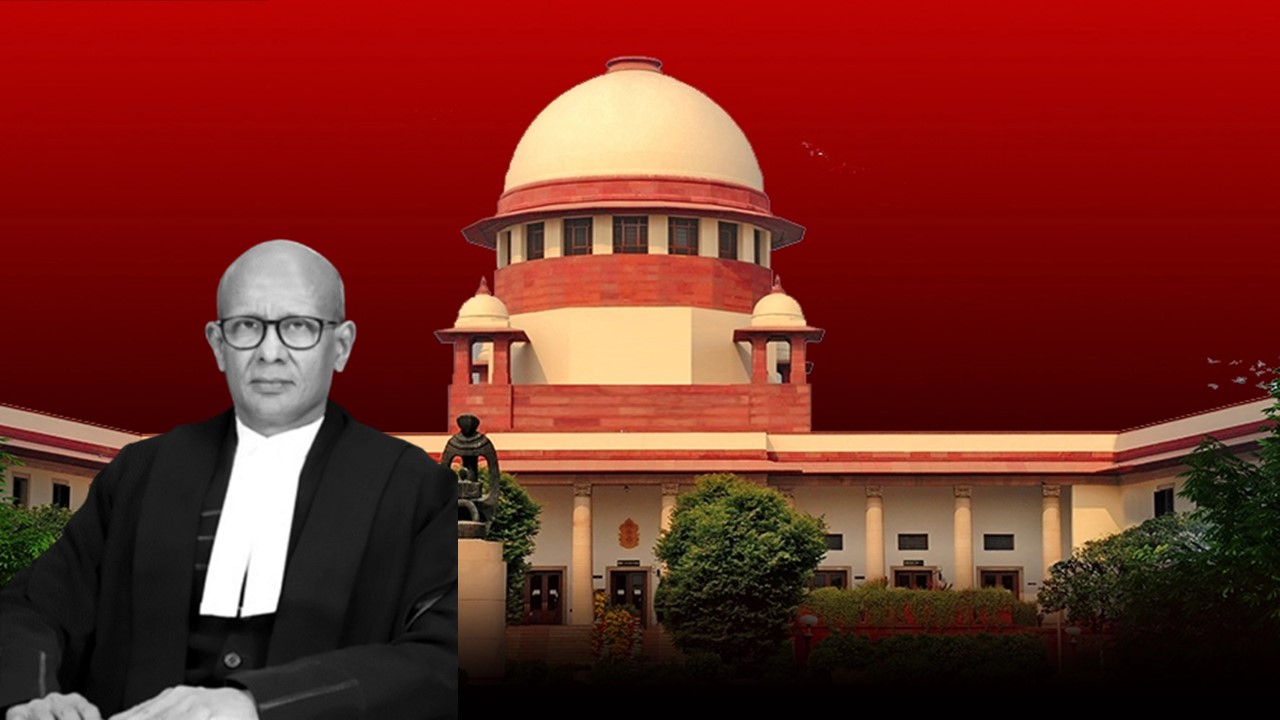
The Supreme Court clarified that a defective or misdated affidavit does not render the Section 7 application non est; it is a curable defect.
SC Faults NCLT for Rejcting IBC Petition Without Proper Notice
 Meetu Kumari
 Nov 26, 2025
SC Faults NCLT for Dismissing IBC Plea Without Proper Notice; Affidavit Error Held Curable
Livein Aqua Solutions Pvt. Ltd. appealed against an NCLAT order restoring HDFC Bank’s Section 7 IBC application for consideration on merits. The bank had extended loan facilities of Rs. 5.5 crores to the company, which later turned into an NPA on 04.08.2019. When the bank filed its Section 7 application before the NCLT, the petition was supported by an affidavit dated 17.07.2023, whereas the application itself was verified on 26.07.2023. The Registry flagged the filing as defective under Rule 28 of the NCLT Rules, and the Joint Registrar ultimately declined registration because the bank failed to remove the defects within the time. On 18.06.2024, the NCLT dismissed the Section 7 application entirely.
The bank challenged the Registrar’s rejection before the NCLT in a Rule 63 appeal and obtained an opportunity to refile; however, by then the NCLT had already dismissed the Section 7 application for non-compliance. The NCLAT, in appeal, held that even though the application was defective, the affidavit issue was curable, and the NCLT had not complied with the mandatory proviso to Section 7(5)(b) of the IBC, which requires notice to the applicant to rectify defects. It therefore restored the petition. Livein Aqua Solutions challenged that restoration before the Supreme Court under Section 62 of the IBC.
Issue Before SC: Whether a Section 7 IBC application can be rejected outright for a procedural defect, and whether a general registry defect notice under Rule 28 is sufficient compliance with the mandatory statutory notice required under the proviso to Section 7(5)(b).
SC Held: The Supreme Court held that the NCLT failed to comply with the statutory mandate under the proviso to Section 7(5)(b), which requires the adjudicating authority to give the applicant a specific notice to rectify defects within seven days of receipt. A consolidated defect list published on the website or notice board does not satisfy this requirement. The IBC being a substantive law, its mandatory procedural safeguards cannot be overridden by general registry notices under the NCLT Rules. The Court affirmed the NCLAT’s view that the absence of such statutory notice vitiated the rejection of the bank’s Section 7 application.
The Court found fault with the NCLAT for restoring the Section 7 petition without first directing the applicant bank to cure the defective affidavit. The Supreme Court clarified that a defective or misdated affidavit does not render the Section 7 application non est; it is a curable defect. Procedural rules exist to advance justice, not defeat it. The court thus directed the bank to cure all defects, including the affidavit issue, within seven days, after which the NCLT must hear the Section 7 petition afresh on the merits.
To Read Full Judgment, Download PDF Given Below
About Author


Meetu Kumari
Content Manager
Meetu Kumari is an Experienced Advocate and Content Writer with 4+ years of demonstrated history of working in the law practice industry. Skilled in Developing Content, Researching, and Drafting. Strong professional with a Bachelor of Science (B.Sc.) focused on Law from Gujarat National Law University.
Meetu Kumari is an Experienced Advocate and Content Writer with 4+ years of demonstrated history of working in the law practice industry. Skilled in Developing Content, Researching, and Drafting. Strong professional with a Bachelor of Science (B.Sc.) focused on Law from Gujarat National Law University.
 Studycafe
 Jodhpur, Rajasthan, India
 2264
2264My Recent Articles
- ITAT Condones 302-Day Delay, Restores Salary Assessment for Fresh VerificationPremium
- ITAT Condones Delay After Tax Consultant's Death, Restores Appeals for Fresh HearingPremium
- ITAT Remands Salary Addition, Says Taxability Depends on Salary Becoming Due, Not Mere ReceiptPremium
- ITAT Deletes TP Royalty Adjustment, Orders Fresh Review of Commission BenchmarkingPremium
- ITAT Quashes Reassessment Over Unsigned Section 148 Notice Issued to AssesseePremium
Up Next
Loading suggestions…


Recent Posts
All Posts
Recent Posts
All Posts