Section 87A Rebate: No Relief on Capital Gains Despite Income Below Threshold:
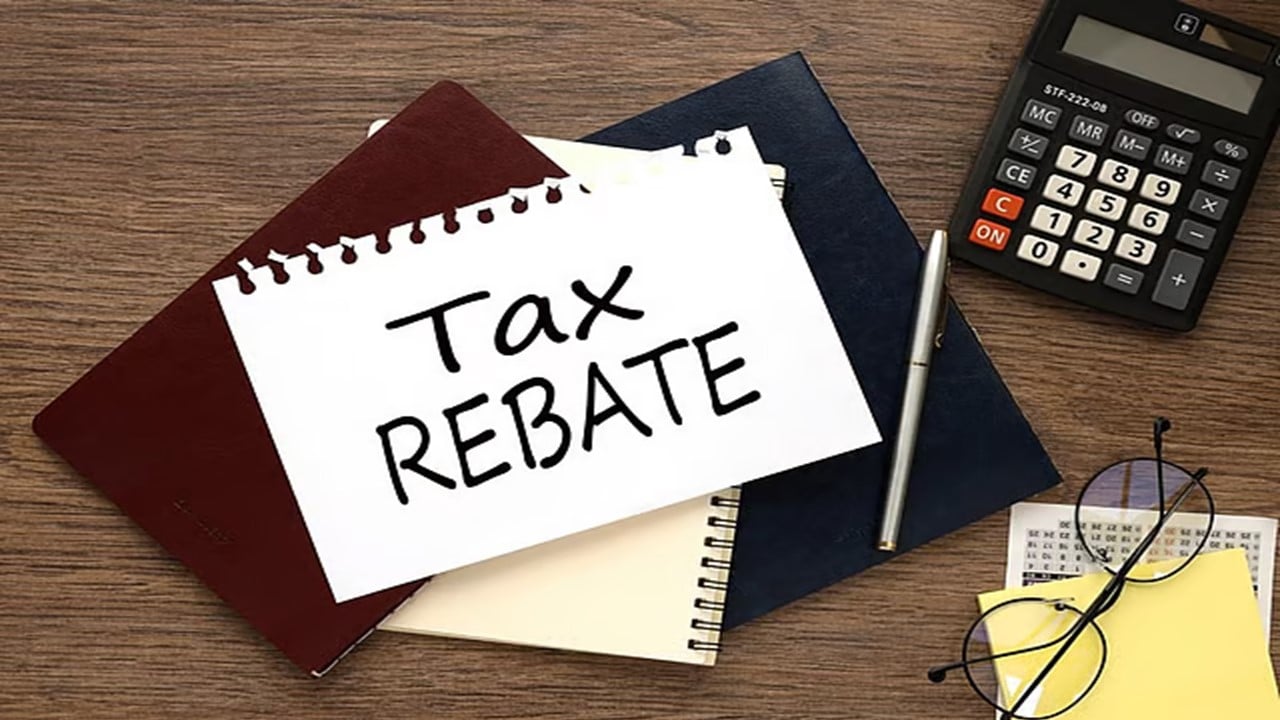
Taxpayers with income from capital gains may not get the Section 87A rebate, even if their total income is below the exemption limit. Know complete information below.
No 87A Rebate on Capital Gains Under New Tax Regime Despite Low Income
 Saloni Kumari
 Aug 19, 2025
Section 87A Rebate: No Relief on Capital Gains Despite Income Below Threshold
The Union Budget 2025-26, announced by the government in February this financial year, has stated that individuals having income up to Rs. 12.75 lakh (after claiming a standard deduction of Rs. 75,000) under the new tax regime are not required to pay any tax on that income. But taxpayers must understand that this benefit does not apply to all types of income sources. If you earn profit, such as short-term capital gains and long-term capital gains, you will need to pay tax on these sources of income; you cannot claim a complete tax exemption.
The Finance Act 2025 has made it clear that the rebate under Section 87A cannot be used to reduce tax on income that is taxed at these special rates (like short-term capital gains under Section 111A and long-term capital gains under Section 112A. Many tax experts have highlighted that this amendment was officially announced in Budget 2025-26; therefore, this change must be effective from the financial year 2025-26 (assessment year 2026-27) legally. Presently, this rebate under Section 87A has not been granted on special rate incomes for the financial year 2024-25 (assessment year 2025-26).
For assessment year 2025-26, under the New Tax Regime, taxpayers who earn an annual income up to Rs. 7 lakh are eligible for a full rebate under Section 87A, meaning they are not required to pay any tax on their entire income. Those earning income up to 5 lakh under the Old Tax Regime qualify for a rebate under Section 87A. In these terms, an individual's total income is considered after excluding the exempted income and applying all applicable deductions (the standard deduction for salary or pension income is included). Therefore, if your income is within these specified limits, then your total tax should ideally be zero.
The current Income Tax Return (ITR) utility does not allow the 87A rebate if your income is from things like capital gains, which are taxed at special rates (such as profits from selling shares or property). This means that even if your total income is under Rs. 7 lakh, you might still have to pay tax if your income mainly comes from such capital gains. Experts are waiting for the Income Tax Department to say whether this rule will be applied retroactively for FY 2024-25 or only from FY 2025-26, as it was not clearly stated.
About Author


Saloni Kumari
Content Writer
Saloni is a Content Writer with 2+ years of experience at studycafe.in. She writes legal, taxation, and finance related content including GST, Income Tax etc. Skilled in translating complex judicial pronouncements and regulatory developments into clear, and reader-friendly articles. Experienced in covering judgements of ITAT, High Court, GSTAT, and news related to Income Tax, GST, and corporate law. She can be reached at [email protected].
Saloni is a Content Writer with 2+ years of experience at studycafe.in. She writes legal, taxation, and finance related content including GST, Income Tax etc. Skilled in translating complex judicial pronouncements and regulatory developments into clear, and reader-friendly articles. Experienced in covering judgements of ITAT, High Court, GSTAT, and news related to Income Tax, GST, and corporate law. She can be reached at [email protected].
 StudyCafe
 Delhi, Delhi, India
 2919
2919My Recent Articles
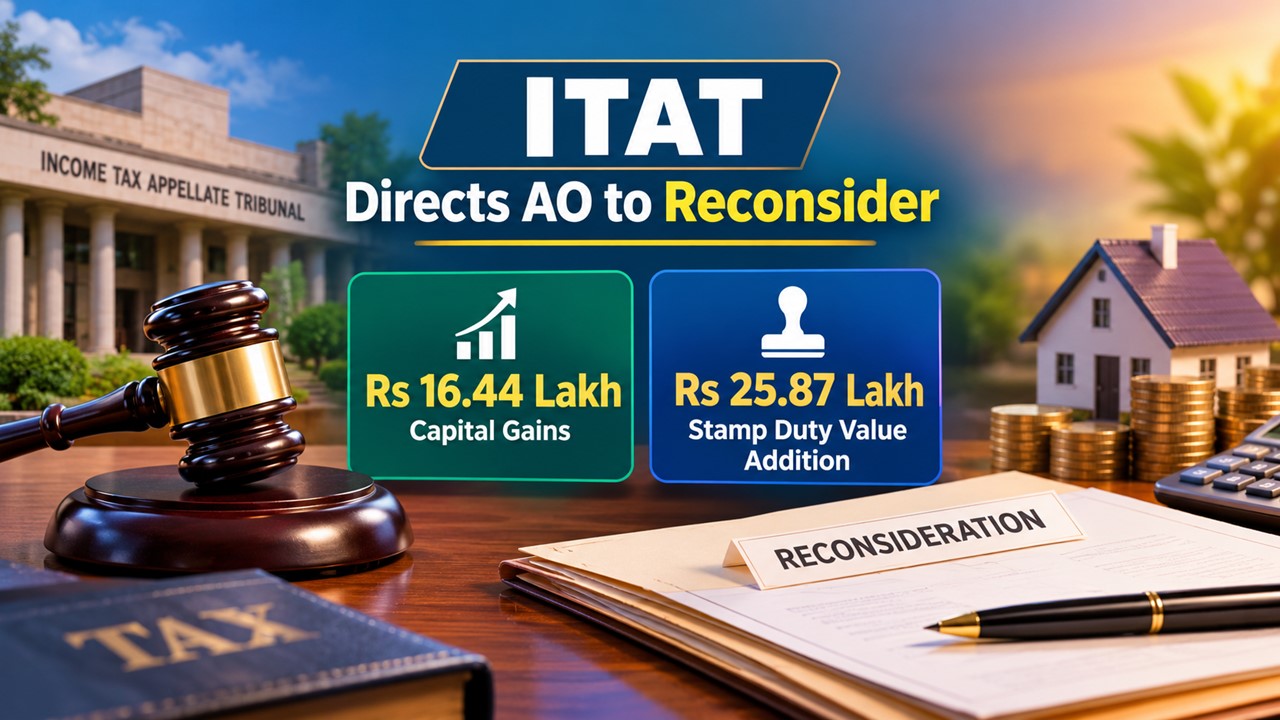
- ITAT Directs AO to Reconsider Rs 16.44 Lakh Capital Gains and Rs 25.87 Lakh Stamp Duty Value Addition
- ITAT Remands Rs 3.33 Crore Demonetisation Cash Deposit Case to AO, Directs Rs 10,000 Relief Fund Payment
- Income Tax Dept Increases Scope for Saksham Nudge Initiative to Further Include Professional Insuring Timely Compliance
- Vedanta Subsidiary ESL Steel Receives GST SCN for Rs. 2.76 Lakh IGST Demand Over Alleged RCM Short Payment
- Good News! ICAI Opens One-Day Window for Submission of MEF Form 2026-27 at meficai.org
Up Next
Loading suggestions…


Recent Posts
All Posts

Tags
No tags yet.
Recent Posts
All Posts
Tags
No tags yet.