Paid Tax on salary in Old Tax Regime? You might get refund in New Tax: Know How:
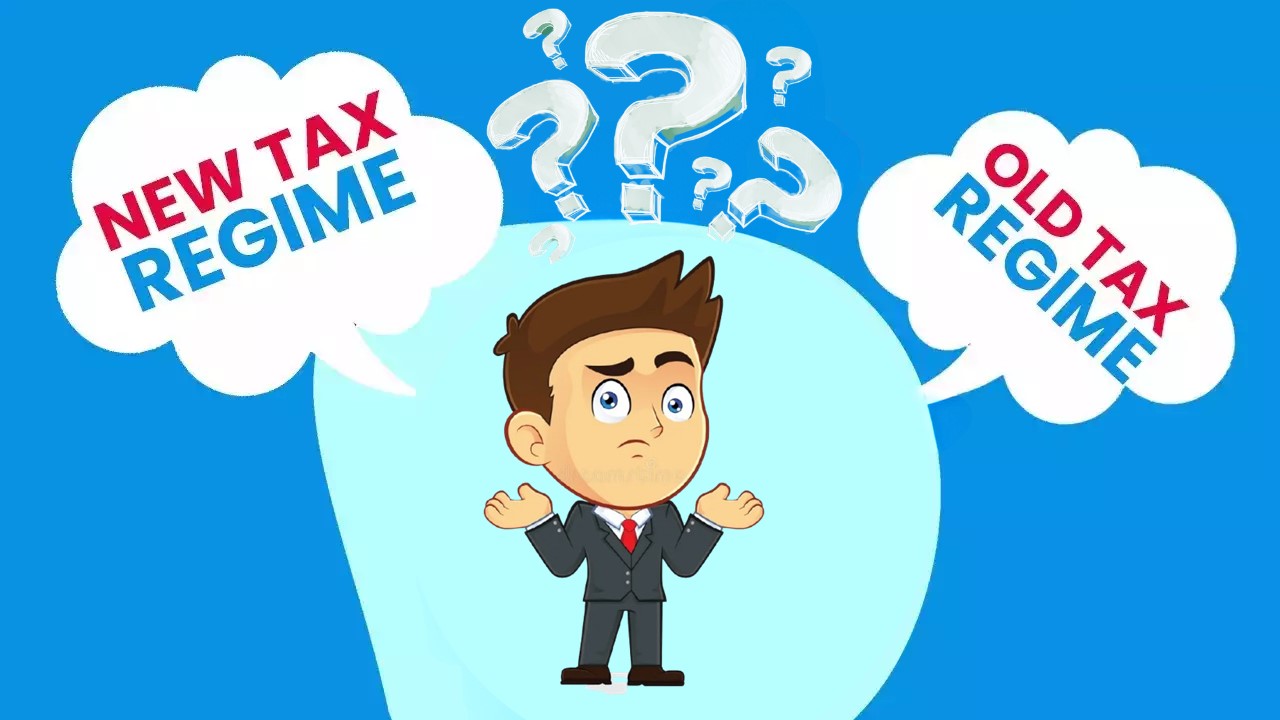
A simple yet detailed guide to help you decide when the old tax regime offers more savings based on your income and deductions, as per the Finance Act 2025.
Understand When Old Tax Regime Saves You More
 Saloni Kumari
 Aug 8, 2025
Paid Tax on salary in Old Tax Regime? You might get refund in New Tax: Know How
Below is the comprehensive comparison between the old and new tax regimes as per the Finance Act, 2025. Using the conditions provided below, you can conclude which regime is more beneficial depending on your income and deductions. Additionally, when should one opt for the old tax regime?
The old regime allows various deductions and exemptions, while the new regime has lower tax rates but no deductions (mostly). The deductions allowed under the old tax regime are as follows:
The old tax regime allows taxpayers to reduce their taxable income by claiming the following deductions:
Meaning: At an income of Rs. 6 lakh, even if you do not claim any deductions, under the new regime, you are not required to pay any tax because of the rebate under Section 87A (up to Rs. 7L). So the old regime will always be worse here.
At Rs. 700,000 salary:
Deduction Claimed Benefit of Old Regime
Meaning: At an income of Rs. 7 lakh, the new regime has zero tax due to rebate, so unless you claim substantial deductions, the old regime will not be better.
At Rs. 800,000 salary:
Deduction Claimed Benefit of Old Regime
Meaning: It is the first income level where choosing the old tax regime becomes a better option, provided you claim both Section 80C and 80D deductions. And if you add home loan interest, the benefit is much more.
At Rs. 825,000 salary (break-even point for 80C + 80D only):
Deduction Claimed Benefit of Old Regime
Meaning: It is the income level where both the old and new tax regimes will be equally beneficial if you are claiming only deductions under Sections 80C and 80D, because this income level is at the break-even point. Beyond this level, you need more deductions to make the old regime better.
At a salary ranging between Rs. 8.5 and Rs. 15 lakh:
As your income increases, the new tax system usually saves you more money and becomes a better option, unless you have a lot of deductions, in which case the old system might still be better.
Here is the summary of key incomes:
Meaning: This data concludes the following:
- Section 80C: Up to Rs. 1.5 lakh (investments like LIC, PPF, ELSS, tuition fees, etc.)
- Section 80D: Health insurance premium (limits vary)
- Section 24(b): Interest on home loan (up to Rs. 2 lakh for self-occupied house)
- Standard Deduction: Rs. 50,000 from salary (also available in the new regime from FY 2023-24)
- If you are not claiming any deductions, then the new tax regime will always be a better option. The old regime will result in higher taxes in every case.
- If you are claiming only the Section 80C deduction (Rs. 1.5 lakh), then the new tax regime will be a better option for you across all income levels.
- If you are claiming deductions under both Section 80C and Section 80D (breakeven income is Rs. 825,000), and your income is below Rs. 8.25 lakh, then the old tax regime will be a better option for you, but if your income is above Rs. 8.25 lakh, then the new tax regime will be a better option for you, unless you have additional deductions (like housing loan interest).
- If you are claiming deductions under both Sections 80C and 80D in addition to Interest on Housing Loan (Section 24), then the old tax regime will always be a better option across all income levels.
- A negative number means the new regime is better by that amount.
- A positive number means the old regime is better by that amount.
| Deduction Claimed | Benefit of Old Regime |
| None | -33,800 (new regime better) |
| 80C | Not available (means no benefit) |
| 80C + 80D | Not available |
| 80C + 80D + 24 | Not available |
| Deduction Claimed | Tax Benefit of Old Regime |
| None | -₹54,600 (new regime is better) |
| Only 80C | ₹ -23,400 |
| 80C + 80D | Not listed |
| 80C + 80D + 24 | Not listed |
| Deduction Claimed | Benefit of Old Regime |
| None | -₹39,000 (new regime better) |
| 80C | ₹ -7,800 |
| 80C + 80D | +₹2,600 (old regime is better!) |
| 80C + 80D + 24 | +₹36,400 (old regime clearly better) |
| Deduction Claimed | Benefit of Old Regime |
| None | ₹ -41,600 |
| 80C | ₹ -10,400 |
| 80C + 80D | ₹0 (break-even point) |
| 80C + 80D + 24 | +₹39,000 (old regime better) |
| Income (Rs.) | No Deduction | 80C Only | 80C + 80D | 80C + 80D + 24(b) |
| 8,50,000 | -44,200 | -13,000 | -2,600 | +41,600 (old regime wins) |
| 9,00,000 | -49,400 | -18,200 | -7,800 | 46,800 |
| 10,00,000 | -54,600 | -23,400 | -13,000 | 28,600 |
| 11,00,000 | -70,200 | -28,600 | -18,200 | 23,400 |
| 12,00,000 | -85,800 | -33,900 | -23,400 | 18,200 |
| 13,00,000 | -96,200 | -49,400 | -33,800 | 18,200 |
| 14,00,000 | -1,06,600 | -59,800 | -44,200 | 18,200 |
| 15,00,000 | -1,17,000 | -70,200 | -54,600 | 7,800 |
- Without deductions, the new regime will always be a better option, with savings going up to more than Rs. 1 lakh at higher incomes.
- With only one claim of deduction under Section 80C, the old regime still loses.
- With a claim of only deduction under Sections 80C and 80D, it starts helping around Rs. 8 lakh, but not enough above Rs. 9 lakh.
- With a claim of only deduction under Sections 80C, 80D, and home loan interest (24b), the old regime consistently gives more benefit, though that benefit becomes smaller at higher incomes (but is still positive).
- If you have not claimed any deductions, then always go for the new tax regime.
- If you have claimed only the Section 80C deduction, still go for the new tax regime; it will be a better option.
- If you have claimed deductions under Sections 80C and 80D and your income is below Rs. 8.25 lakh, then the old tax regime will be better for you, and if your income is above 8.25 lakh, then the new tax regime will be better.
- If you have claimed deductions under Sections 80C, 80D, and housing loan interest, then the old tax regime will always be a better option for you.
About Author


Saloni Kumari
Content Writer
Saloni is a Content Writer with 2+ years of experience at studycafe.in. She writes legal, taxation, and finance related content including GST, Income Tax etc. Skilled in translating complex judicial pronouncements and regulatory developments into clear, and reader-friendly articles. Experienced in covering judgements of ITAT, High Court, GSTAT, and news related to Income Tax, GST, and corporate law. She can be reached at [email protected].
Saloni is a Content Writer with 2+ years of experience at studycafe.in. She writes legal, taxation, and finance related content including GST, Income Tax etc. Skilled in translating complex judicial pronouncements and regulatory developments into clear, and reader-friendly articles. Experienced in covering judgements of ITAT, High Court, GSTAT, and news related to Income Tax, GST, and corporate law. She can be reached at [email protected].
 StudyCafe
 Delhi, Delhi, India
 2919
2919My Recent Articles
- IBA Recommends Public Sector Banks to Reduce Ambit of Physical Branch Audits to 50% of Total Business
- ITAT Directs AO to Reconsider Rs 16.44 Lakh Capital Gains and Rs 25.87 Lakh Stamp Duty Value Addition
- ITAT Remands Rs 3.33 Crore Demonetisation Cash Deposit Case to AO, Directs Rs 10,000 Relief Fund Payment
- Income Tax Dept Increases Scope for Saksham Nudge Initiative to Further Include Professional Insuring Timely Compliance
- Vedanta Subsidiary ESL Steel Receives GST SCN for Rs. 2.76 Lakh IGST Demand Over Alleged RCM Short Payment
Up Next
Loading suggestions…


Recent Posts
All Posts


Tags
Recent Posts
All Posts