Shocking Car Loan Rates Revealed for May 2025 – EV Buyers Rejoice:
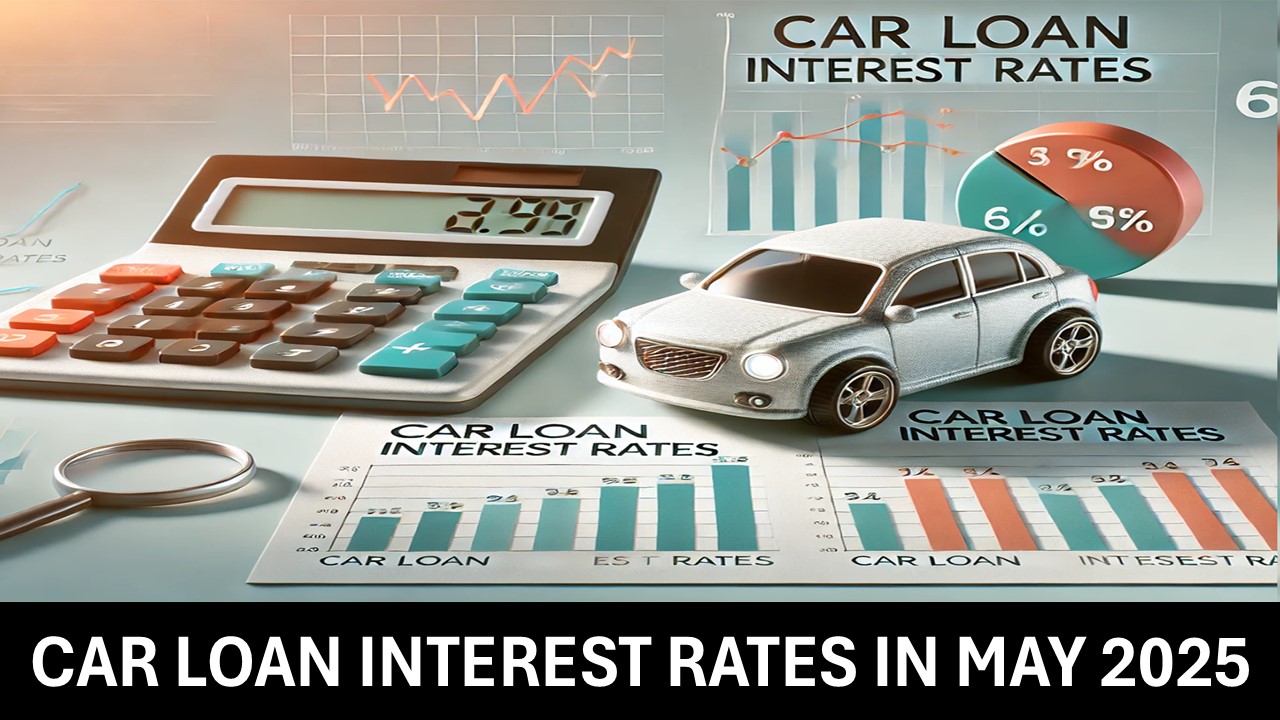
Here's a comparison of car loan interest rates in May 2025, highlighting lower rates and government benefits for electric vehicle buyers in India.
Comparison in Car Loan Interest Rates: Electric vs Non-Electric (May 2025)
 Saloni Kumari
 May 24, 2025
Table of Contents

Shocking Car Loan Rates Revealed for May 2025 – EV Buyers Rejoice
After noticing the worst environmental conditions in India, the Indian government has turned its focus to sustainable and eco-friendly living. Among these electric vehicles (EVs) is the fastest-growing measure. With this government move, financial institutions are also contributing to it by providing special car loans on vehicles running on electricity.
Interesting and competitive car loans are being offered by numerous banks in India. These rates are a little lower for vehicles running on electricity to promote eco-friendly transportation in India. Among these financial institutions, the interest rate offered by the Indian Overseas Bank begins from 8.15% on electric vehicles and from 8.35% on non-electric vehicles.
Similarly, Union Bank is offering interest rates up to 8.20% on electric vehicles and up to 8.30% on non-electric vehicles. The interest offered by Punjab and National (PNB) bank is a little higher in comparison to other banks, i.e., 8.35% for electric vehicles and 8.40% for non-electric vehicles. Central Banks offer the same interest on both electric and non-electric vehicles, i.e., 8.35%.
Similarly, Punjab and Sind Bank are offering interest rates of 8.40% and 8.50% on electric and non-electric vehicles, respectively. On the other hand, Canara Bank is providing an interest rate of 8.55% on EVs and 8.65% on others. Indian Bank offers 8.70% on electric and 8.75% on other vehicles.
Among the top banks, the State Bank of India (SBI) offers a lower interest rate of 9.10% for electric vehicle (EV) loans and 9.20% for other vehicle loans. HDFC Bank charges 9.20% for EV loans and 9.27% for regular vehicle loans. Karnataka Bank has the highest rates, with 9.32% for EVs and 9.42% for non-electric vehicles.
What is Meaning of Electric Vehicle (EV) Car Loan?
As per the official website of HDFC Bank, "An EV car loan is an auto loan designed to finance the purchase of electric vehicles. These loans function similarly to traditional car loans, where the lender provides funds to you to purchase the vehicle, and you repay the loan in monthly instalments over a predetermined period."Car Loans Interest Rates on Electric Vs Non-electric Vehicles:
Comparison between car loan interest rates offered on electric and non-electric vehicles:
| Bank | Interest Rate per Annum | |
| Electric Vehicles | Non-Electric Vehicles | |
| Indian Overseas Bank | 8.15% | 8.35% |
| Union Bank | 8.20% | 8.30% |
| Punjab National Bank | 8.35% | 8.40% |
| Central Bank of India | 8.35% | 8.35% |
| Punjab and Sind Bank | 8.40% | 8.50% |
| Canara Bank | 8.55% | 8.65% |
| Indian Bank | 8.70% | 8.75% |
| State Bank of India | 9.10% | 9.20% |
| HDFC Bank | 9.20% | 9.27% |
| Karnataka Bank | 9.32% | 9.42% |
The official website of banks advertised the interest rates on electric and non-electric vehicles on May 22, 2025. Interest rates on loans vary as per the eligibility of borrowers.
EV car loans usually have slightly lower interest rates than regular car loans, which helps you save money over time. People who buy electric vehicles can also get extra benefits like government subsidies, lower registration fees, and tax exemptions—advantages that aren't offered with normal car loans.
Advantages of Purchasing Electric Vehicles:
In reference to the official website of Niti Aayog, below are listed the key advantages of buying electric vehicles:
- Purchase Incentives: A direct discount on the price of the electric vehicle.
- Coupons: You pay the full amount first, and some money is given back to you later.
- Interest Subventions: You get a lower interest rate when taking a loan.
- Road Tax Exemption: You don't have to pay road tax when buying the vehicle.
- Registration Fee Exemption: You don't have to pay the one-time registration fee for a new vehicle.
- Scrapping Incentives: You get a reward for getting rid of old petrol or diesel vehicles.
About Author


Saloni Kumari
Content Writer
Saloni is a Content Writer with 2+ years of experience at studycafe.in. She writes legal, taxation, and finance related content including GST, Income Tax etc. Skilled in translating complex judicial pronouncements and regulatory developments into clear, and reader-friendly articles. Experienced in covering judgements of ITAT, High Court, GSTAT, and news related to Income Tax, GST, and corporate law. She can be reached at [email protected].
Saloni is a Content Writer with 2+ years of experience at studycafe.in. She writes legal, taxation, and finance related content including GST, Income Tax etc. Skilled in translating complex judicial pronouncements and regulatory developments into clear, and reader-friendly articles. Experienced in covering judgements of ITAT, High Court, GSTAT, and news related to Income Tax, GST, and corporate law. She can be reached at [email protected].
 StudyCafe
 Delhi, Delhi, India
 2917
2917My Recent Articles
- Income Tax Dept Increases Scope for Saksham Nudge Initiative to Further Include Professional Insuring Timely Compliance
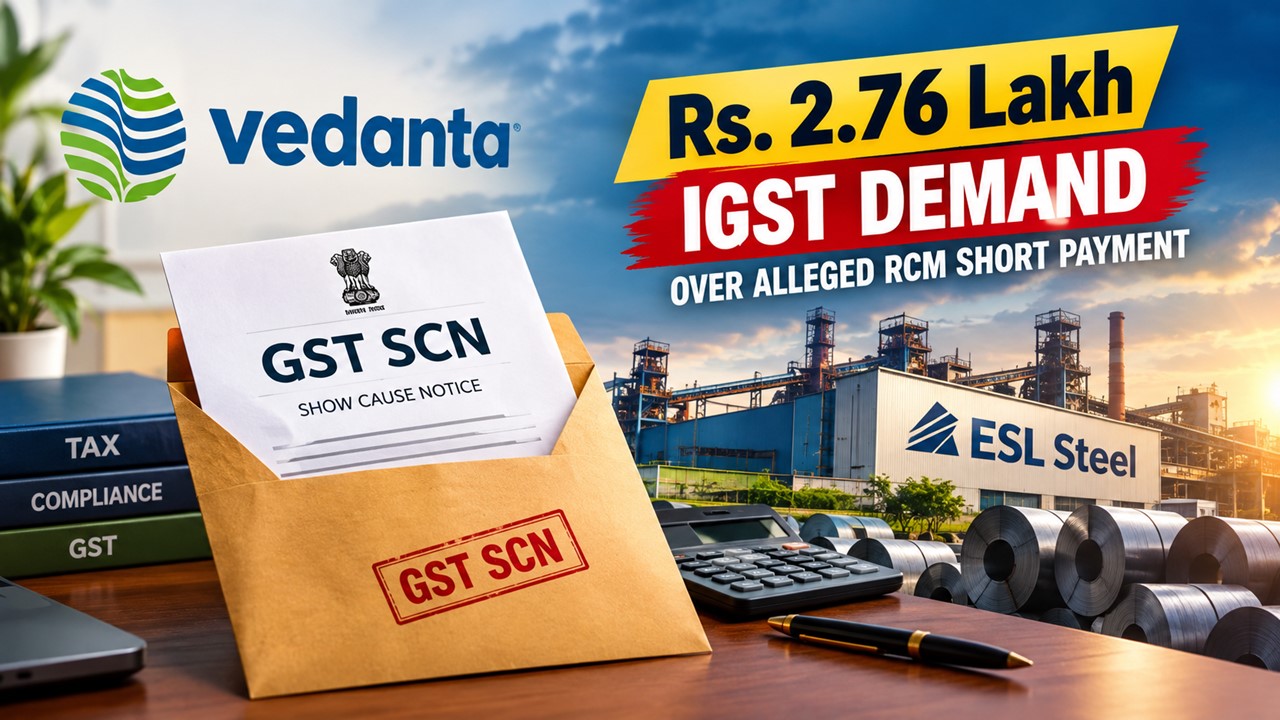
- Vedanta Subsidiary ESL Steel Receives GST SCN for Rs. 2.76 Lakh IGST Demand Over Alleged RCM Short Payment
- Good News! ICAI Opens One-Day Window for Submission of MEF Form 2026-27 at meficai.org
- New WhatsApp Fraud Alert! Can Replying ‘NO’ Put Your Bank Account at Risk? CA Allegedly Loses Rs 1.70 Lakh
- Income Tax Dept Releases Data for Direct Tax Collection for FY 2026-27 as of October 14, 2026
Up Next
Loading suggestions…


Recent Posts

All Posts

Tags
No tags yet.
Recent Posts
All Posts
Tags
No tags yet.