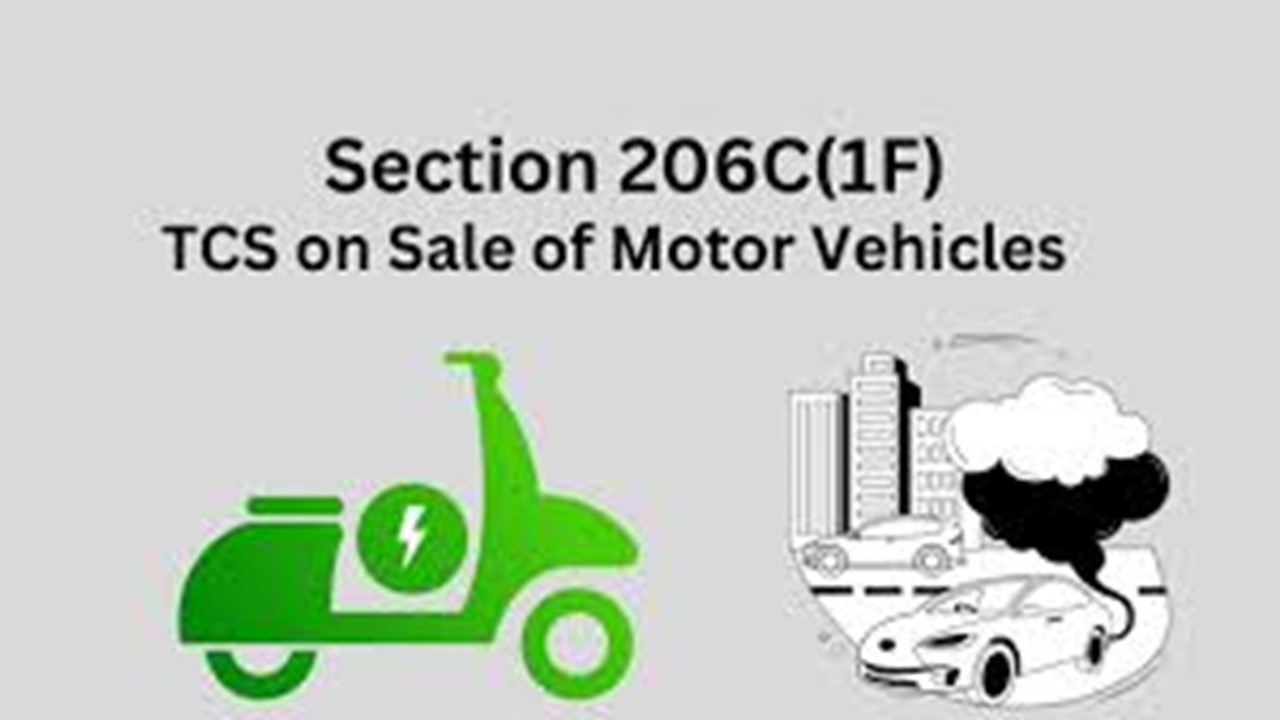
The Finance (No. 2) Act, 2024 has made drastic changes to Section 206C(1F) of the Income-tax Act with respect to Tax Collection at Source (TCS) on sale of motor vehicles and some notified luxury items.
Janvi | May 8, 2025 |


Understanding TCS on Sale of Luxury Goods and Motor Vehicles: Section 206C(1F)
The Finance (No. 2) Act, 2024 has made drastic changes to Section 206C(1F) of the Income-tax Act with respect to Tax Collection at Source (TCS) on sale of motor vehicles and some notified luxury items. Applicable from January 1, 2025, this requirement makes it compulsory for sellers to collect TCS at 1% on sales of motor vehicles and certain luxury items worth more than Rs. 10 lakh. Although TCS on motor vehicles was effective from June 1, 2016, the said provision now covers ten types of luxury items notified by the Central Government from April 22, 2025. This article discusses the important points of this amendment, which are its applicability, provisions, parties involved, rates, and time requirement.
Here are some frequently asked questions related to the TCS on Sale of Luxury Goods and Motor Vehicles

Understanding TCS on Sale of Luxury Goods and Motor Vehicles Section 206C(1F)
The Finance (No. 2) Act, 2024 has replaced the previous subsection (1F) of Section 206C w.e.f. January 1, 2025, and as amended now reads:
“(1F) Every person, being a seller, who receives any amount as consideration for the sale of:
(a) a motor vehicle; or
(b) any other goods, as the Central Government may, by notification in the Official Gazette, specify, of the value of more than ten lakh rupees shall, on receipt of such amount, receive from the buyer an amount equal to one percent of the sale consideration as income tax.
This change means TCS will now also be collected on luxury items (not just cars) that cost over Rs. 10 lakh.
Understanding TCS on Sale of Luxury Goods and Motor Vehicles Section 206C(1F)
The TCS rule applies to
Motor vehicles: From June 1, 2016
10 listed luxury goods: From April 22, 2025
Under this subsection, TCS at 1% is to be borne by sellers on receipt of consideration in the amount of more than Rs. 10 lakh on sale of:
Motor vehicles
Any of the ten luxury items noted, including
This section is intended to monitor high-value transactions and be in compliance with tax obligations in the case of luxury consumption.
Understanding TCS on Sale of Luxury Goods and Motor Vehicles Section 206C(1F)
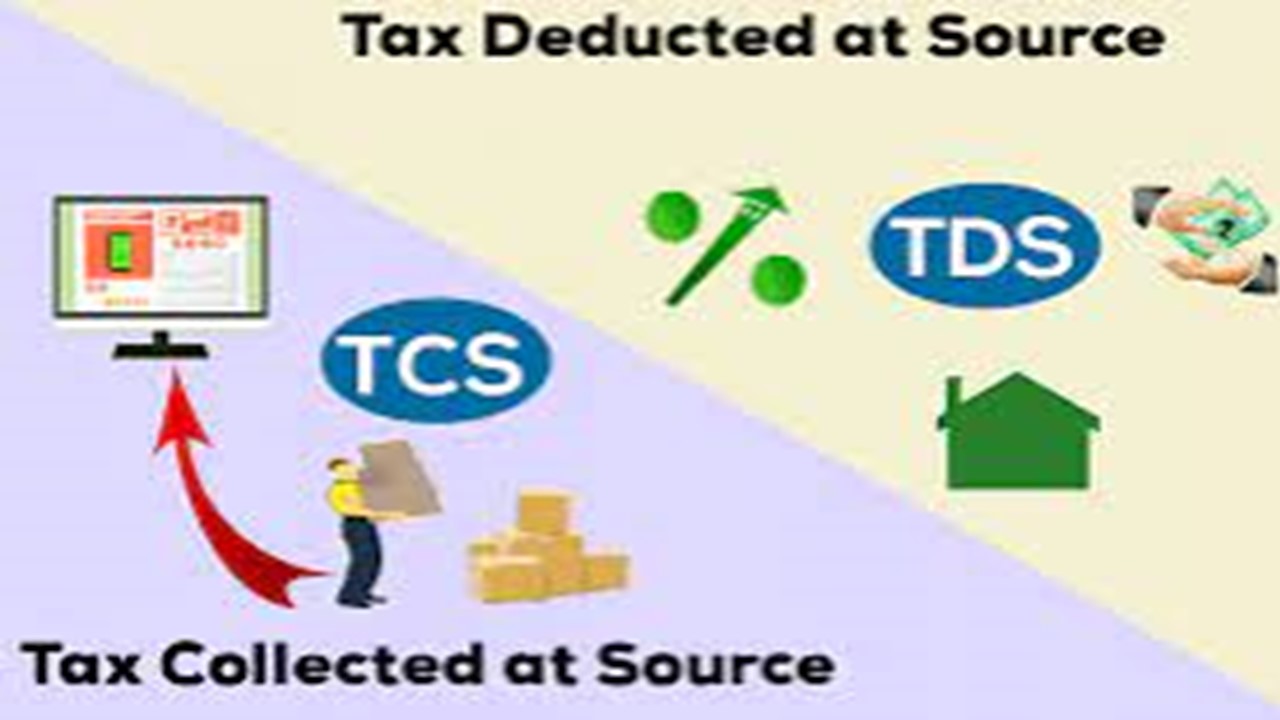
Collectors (Sellers) under Section 206C(1) and 206C(1F) are:
Collectees (Buyers) are individuals who acquire the specified goods, other than:
This differentiation makes clear who is to collect TCS and from whom it is to be collected.

Understanding TCS on Sale of Luxury Goods and Motor Vehicles Section 206C(1F)
The normal rate of TCS collection is 1% of the aggregate sales consideration, including GST and other charges. In case the buyer does not provide an Aadhaar-linked PAN, a higher TCS rate of 5% is charged. The higher rate is a compliance mechanism to ensure proper documentation and identification for high-value transactions.
The point in time for the collection of TCS is defined as “at the time of receipt of consideration.” This implies that whenever the seller receives any sum in respect of sale consideration in respect of the said goods amounting to over Rs. 10 lakh, they are to collect the TCS at that instance. The provision mandates prompt compliance at the time of receipt of payment, whether in the form of part or full payment of the goods in question.
This timing requirement allows the tax to be collected in tandem with the movement of funds, enabling improved tax administration and tracking of compliance for high-value luxury transactions.

In case of any Doubt regarding Membership you can mail us at [email protected]
Join Studycafe's WhatsApp Group or Telegram Channel for Latest Updates on Government Job, Sarkari Naukri, Private Jobs, Income Tax, GST, Companies Act, Judgements and CA, CS, ICWA, and MUCH MORE!"