Supreme Court upholds quashing of reassessment, reinforces clean slate principle under IBC resolution framework.
Meetu Kumari | May 4, 2026 |
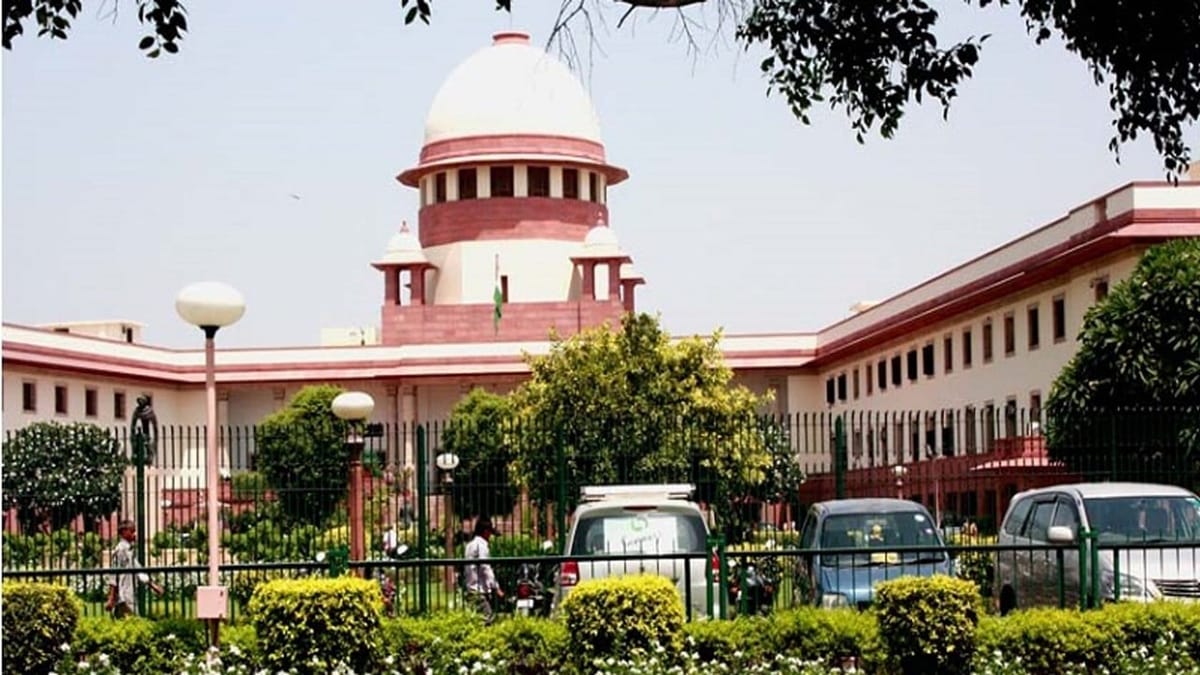

SC Dismisses Revenue SLP in CIRP Case; Income Tax Reassessment Invalid
The Supreme Court has delivered a landmark victory for corporate recovery by upholding the “clean slate” principle under the Insolvency and Bankruptcy Code (IBC). The case arose when the Income Tax Department attempted to reopen assessments for Trident Hills Pvt Ltd for the 2018–19 period, despite a court-approved resolution plan being court-approved in 2021. The department’s attempt to revive pre-insolvency liabilities was met with a firm legal challenge.

The court noted that once a resolution plan is finalised, any claims not included in that plan are extinguished, preventing past “ghost” liabilities from haunting new management. Furthermore, the court criticised the Revenue Department for administrative lapses, including ignoring the company’s filed explanations and overlooking previous judicial rulings on the same matter. This verdict reinforces that the IBC overrides tax claims post-resolution, ensuring that companies emerging from insolvency can operate with financial certainty and a genuine fresh start.
Central Issue: Whether reassessment can be initiated for the pre-resolution period after approval of an IBC resolution plan?
SC’s Ruling: The High Court quashed the reassessment notice, and the Supreme Court dismissed the Revenue’s Special Leave Petition, thereby affirming the ruling.

This ruling by the Supreme Court serves as a definitive reinforcement of the “clean slate” doctrine, a cornerstone of the Insolvency and Bankruptcy Code (IBC) designed to ensure the successful rehabilitation of distressed companies. By dismissing the revenue’s special leave petition, the court has signalled that the finality of a court-approved resolution plan is sacrosanct. Under the precedent of Ghanashyam Mishra & Sons, any government dues including income tax that are not specifically accounted for in the resolution plan are permanently extinguished. This prevents “hydra-headed” claims from emerging post-resolution, which would otherwise jeopardise the financial viability of the company under its new management.
Beyond the substantive IBC protections, the Court highlighted significant procedural failures by the tax authorities. The assessing officer’s decision to issue a reassessment notice while ignoring the company’s detailed rebuttal and existing judicial precedents was deemed a lack of due diligence. This aspect of the judgment acts as a reprimand against the “mechanical” reopening of tax assessments. For the corporate sector, this provides a vital shield: it ensures that once a company emerges from insolvency via the NCLT, it can operate without the threat of retrospective tax liabilities, fostering a more stable environment for investment and restructuring.
To Read Full Judgment, Download PDF Given Below.

In case of any Doubt regarding Membership you can mail us at [email protected]
Join Studycafe's WhatsApp Group or Telegram Channel for Latest Updates on Government Job, Sarkari Naukri, Private Jobs, Income Tax, GST, Companies Act, Judgements and CA, CS, ICWA, and MUCH MORE!"