Allahabad High Court holds that tribunals must examine documentary evidence to confirm return of goods:
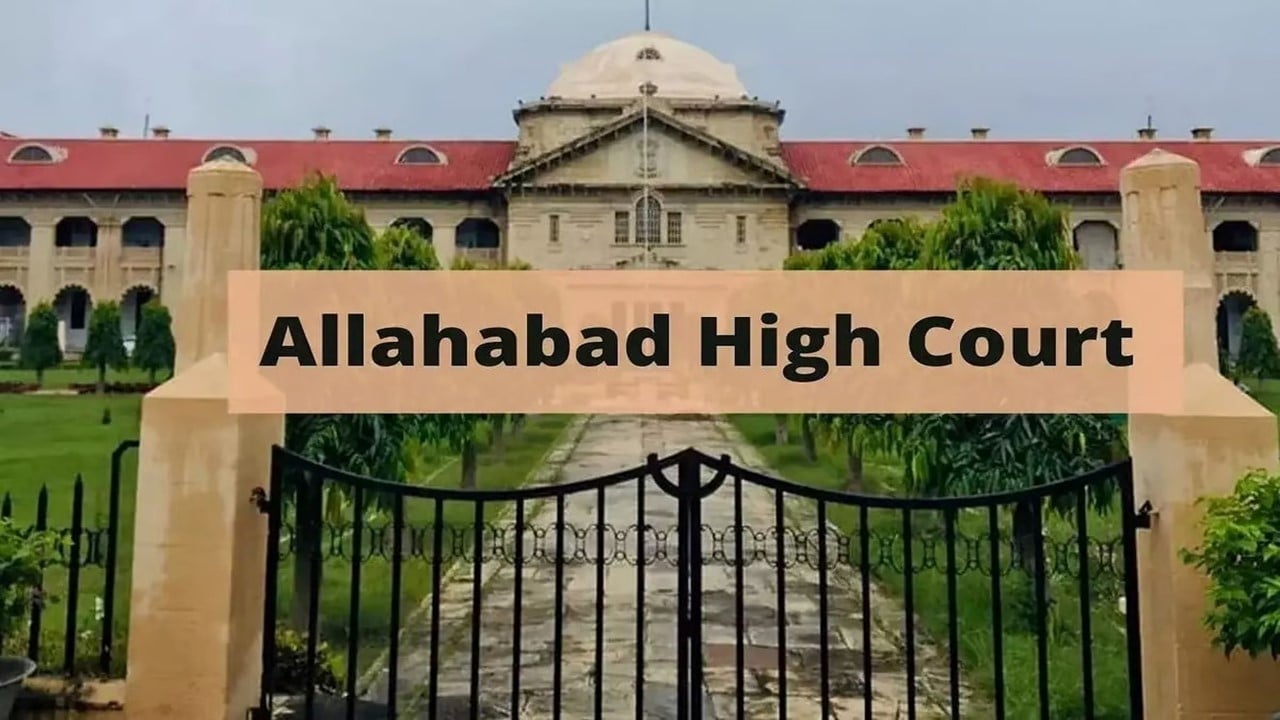
The High Court set aside the Tribunal’s order for granting tax relief without verifying whether the goods were actually returned after job work. The matter was remanded for a fresh decision, emphasizing that factual documentation must be scrutinized even if specific tax forms are missing.
Tribunal Must Verify Evidence Before Granting Relief in Tax Disputes
 Khushi Jain
 May 5, 2026
The background of the case involves a revision filed by the Commissioner of Commercial Tax, U.P., against an order passed by the Commercial Tax Tribunal on June 12, 2017. The dispute originated from proceedings under the Central Sales Tax Act for the Assessment Year 2006-07.
The Tribunal had initially granted tax relief of Rs. 286,461/- to S/S Jayanti Plastic, relying on judicial precedents that suggested Form F was not mandatory to obtain such relief. However, the state argued that the tribunal erred by granting this relief without actually scrutinising or verifying the documents to confirm that the transactions involved goods returning after job work.
Issue of the case
Was the Tribunal legally justified in granting tax relief without examining the actual nature of the transactions and verifying the documentary proof required to show that goods were returned after job work?
Decision of the court
The High Court at Allahabad held that verification is mandatory, ruling that even if specific forms like Form F and Form C are not provided, tax relief can only be granted if there is clear documentary proof justifying that the goods were indeed returned after job work.
The Court found that the Tribunal committed an oversight because, as the final authority on facts and law, it failed to actually scrutinise or verify the relevant documents available on the record. Consequently, the Tribunal's order was set aside for incorrectly applying legal precedents without performing the necessary factual verification, and the matter was remanded for a fresh decision.
About Author


Khushi Jain
Legal Content Writer
 StudyCafe
 Delhi, Delhi, India
 80
80My Recent Articles
- ROC Chennai Orders Penalty for delay in filing MGT-17: Short Staff no Excuse
- Penalty Order Passed by ROC Chennai for Non-Disclosure in Form PAS-3
- ROC Imposes Penalty For Non-Compliance In Securities Allotment Filing
- GST: Bombay High Court Upholds Validity of Manual Appeal
- From Rs. 275 Crore to Zero: United Breweries Gets Relief in Sales Tax Dispute
Up Next
Loading suggestions…


Recent Posts

All Posts

Recent Posts
All Posts