Big Relief for Appellants: GSTAT Eases English Translation Norms for Hindi Orders During Transition:
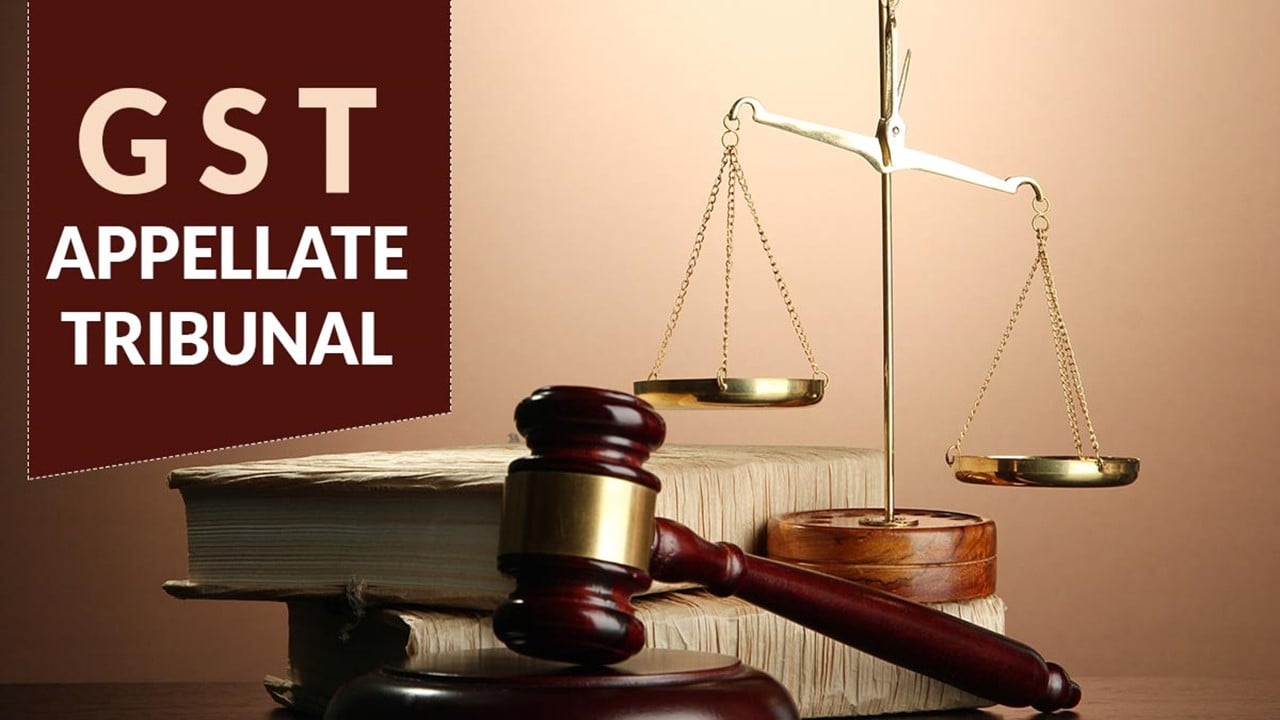
GSTAT clarifies that English translations for appeals remain mandatory, but grants temporary relief by allowing Hindi documents without immediate translation during a six-month transition period.
GSTAT Issues Key Clarification on Language Requirements
 Saloni Kumari
 May 4, 2026
Big Relief for Appellants: GSTAT Eases English Translation Norms for Hindi Orders During Transition
On April 22, 2026, the Goods and Services Tax Appellate Tribunal (GSTAT) issued a clarification in response to a complaint submitted by a taxpayer named Shri Asim Zafar on March 16, 2026, regarding the requirement of submitting English translations for impugned orders initially issued in the Hindi language or any other regional languages by the tax authorities under Rule 23(1) of the GSTAT (Procedure) Rules, 2025. The complainant further stated that this requirement is creating an extra burden on the heads of taxpayers/appellants. This can affect whether an appeal is accepted, even though the issue originates from the issuing authority.
The GSTAT stated that it has deeply analysed the aforementioned complaint submitted in relation to the requirements of Rule 23(1) of the GST Appellate Tribunal (Procedure) Rules, 2025, and has clarified in response that this requirement is a standard procedural rule in appellate systems. The responsibility lies with the appellant to ensure all documents are complete and comply with the tribunal's requirements in order to allow smooth and efficient proceedings.
The tribunal has further flagged that it does not have the independent authority to amend these rules, as they have been developed by the Ministry. Further stated that the government departments are allowed to issue orders in Hindi or regional languages under the Official Languages Act of 1963 and related rules. However, GSTAT follows a separate system that uses English to maintain uniformity and efficiency in legal processes.
To reduce difficulties during the transition, the rules are temporarily relaxed for six months. If Tribunal members can understand Hindi, appeals may be accepted without immediate translation. Additionally, a committee has been set up to review suggestions for possible amendments to make the process more inclusive of Hindi and other languages.
The clarification reads, "to address the practical difficulties faced by appellants during the transitional phase, the Tribunal has, vide Office Order dated 20.01.2026 and instructions dated 10.03.2026, adopted a lenient approach for an initial period of six months. Where the Members of the Bench are able to read and understand Hindi, appeals filed along with the original Hindi orders/documents are being accepted without insisting on immediate translation."
Refer to the official clarification for complete information.
About Author


Saloni Kumari
Content Writer
Saloni is a Content Writer with 2+ years of experience at studycafe.in. She writes legal, taxation, and finance related content including GST, Income Tax etc. Skilled in translating complex judicial pronouncements and regulatory developments into clear, and reader-friendly articles. Experienced in covering judgements of ITAT, High Court, GSTAT, and news related to Income Tax, GST, and corporate law. She can be reached at [email protected].
Saloni is a Content Writer with 2+ years of experience at studycafe.in. She writes legal, taxation, and finance related content including GST, Income Tax etc. Skilled in translating complex judicial pronouncements and regulatory developments into clear, and reader-friendly articles. Experienced in covering judgements of ITAT, High Court, GSTAT, and news related to Income Tax, GST, and corporate law. She can be reached at [email protected].
 StudyCafe
 Delhi, Delhi, India
 2889
2889My Recent Articles
- ITAT Sets Aside Rejection of Charitable Trust’s Section 12AB Registration Application, Remands Case to CIT(E) for Fresh Consideration
- Can Same-Sex Partners Claim Tax Exemption on Gifts as Spouses? Karnataka High Court to Examine
- ITAT Remits Section 80G Renewal Application to CIT(E) for Fresh Consideration in Light of CBDT Circular
- Dreamfolks Services Faces Rs 1.58 Crore IGST Demand Over ITC Availment on Invoices Issued by GST-Cancelled Supplier
- ITAT Restores Taxpayer's Appeal In Interest of Natural Justice After CIT(A)'s Failure to Decide Appeal on Merits
Up Next
Loading suggestions…


Recent Posts
All Posts
Recent Posts
All Posts