Finance Minister Expected to Table Income Tax Bill 2025 in Parliament on August 11:
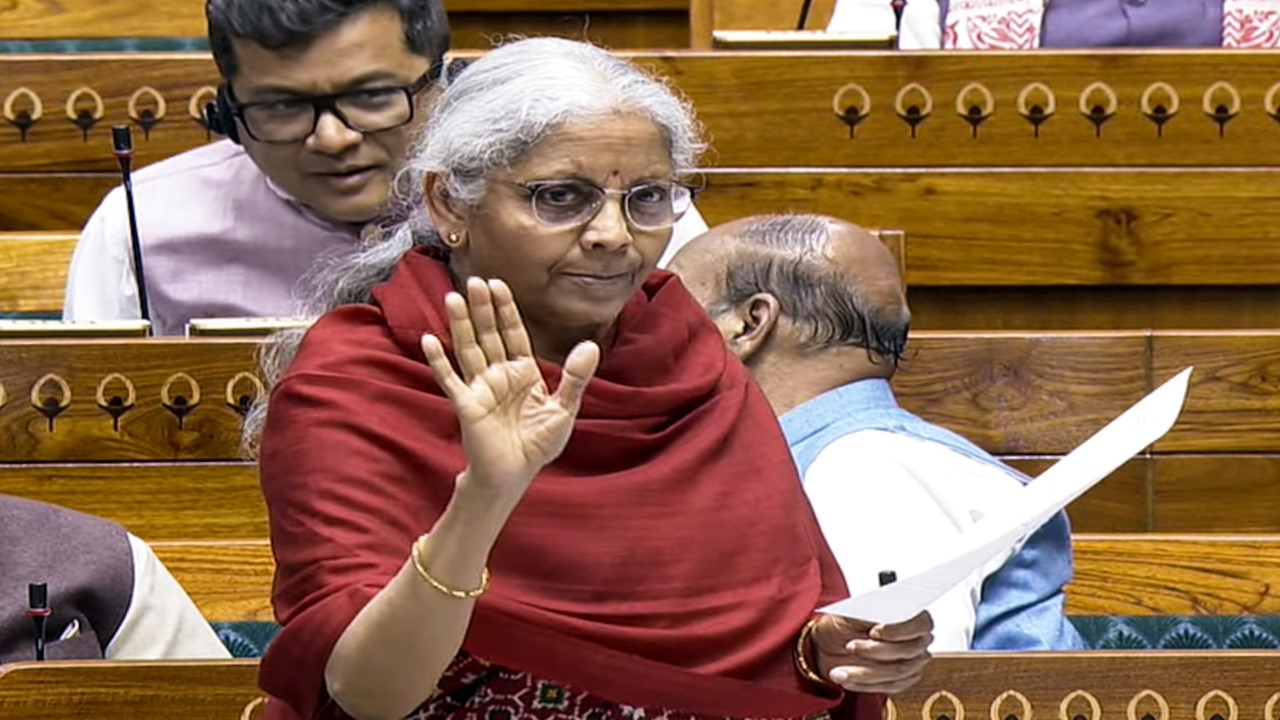
The Income Tax Bill 2025, set to be tabled on August 11, aims to modernise and simplify India's 60-year-old tax law without altering tax rates.
Major Revision in Income Tax Bill Aims to Simplify and Modernize India’s Tax System
 Saloni Kumari
 Aug 7, 2025
Table of Contents

Finance Minister Expected to Table Income Tax Bill 2025 in Parliament on August 11
The Union Finance Minister, Nirmala Sitharaman, is soon anticipated to table the Income Tax Bill 2025 in Parliament on August 11. If this happens, it will be a great milestone for India's economic history. This action is aimed towards revising the 60-year-old Income Tax Act of 1961, by making it modern and simplifying the tax system of the country.
On February 13, 2025, the revised bill was first introduced in the lower house of the parliament, i.e., Lok Sabha. The new bill has been praised for its potential to improve the way taxes are managed in India. Its main goals are to reduce legal disputes, make tax rules clearer, and make it easier for people and businesses to follow tax laws.
Features of the New Amended Bill 2025: Shorter and Simplified
One of the most noticeable things about the new amendments made in the Income Tax Bill is that it has now been made much shorter and simpler in comparison to the initial one. According to the introduced amendments, the new Bill will have about 2.6 lakh (260,000) words, which is almost half the size of the current law that has 5.12 lakh (512,000) words. The number of sections will go down from 819 to 536, and the number of chapters will be reduced from 47 to 23. This simpler and shorter structure is meant to make the law easier to understand and use for both taxpayers and tax experts. The sources said, "The aim is to modernise the tax system to match current economic realities and reduce ambiguities that often result in disputes and legal interpretation."Significant Amendments Introduced for Taxpayers
Among the introduced amendments, one of the biggest and most surprising amendments for taxpayers is the proposal to substitute terms like "previous year" and "assessment year" with a single term, i.e., "tax year". This action is aimed towards lowering the confusion of taxpayers. This means people will earn income and file their taxes in the same financial year, making the process easier to understand. The Bill also includes rules for using digital documents, simpler compliance instructions, and better ways to handle tax disputes. These updates show a move towards a more modern, digital, and efficient tax system. The Select Committee of the Lok Sabha, headed by BJP MP Baijayant Panda, submitted a comprehensive 4,500-page report on the draft income tax bill with 566 suggestions in it. These recommendations are aimed towards making things simpler to understand.Key Recommendations in Income Tax Bill
Below are some key Income Tax Bill recommendations: Help for Homeowners:- The report suggests a fairer way to calculate tax deductions on income from house property. It also recommends allowing homeowners to claim tax benefits on interest paid before construction is completed, even if the house is rented out.
- One recommendation is that people earning less than the taxable income limit shouldn’t have to file a tax return just to get a refund for tax already deducted (TDS).
- The committee wants clearer tax rules for firms investing in research and development (R&D). It also suggests giving tax reliefs to businesses that handle biodegradable waste.
- To reduce court cases, the report recommends bringing back phrases like “in the circumstances of the case” in tax laws. This would offer more protection and make tax rules fairer.
About Author


Saloni Kumari
Content Writer
Saloni is a Content Writer with 2+ years of experience at studycafe.in. She writes legal, taxation, and finance related content including GST, Income Tax etc. Skilled in translating complex judicial pronouncements and regulatory developments into clear, and reader-friendly articles. Experienced in covering judgements of ITAT, High Court, GSTAT, and news related to Income Tax, GST, and corporate law. She can be reached at [email protected].
Saloni is a Content Writer with 2+ years of experience at studycafe.in. She writes legal, taxation, and finance related content including GST, Income Tax etc. Skilled in translating complex judicial pronouncements and regulatory developments into clear, and reader-friendly articles. Experienced in covering judgements of ITAT, High Court, GSTAT, and news related to Income Tax, GST, and corporate law. She can be reached at [email protected].
 StudyCafe
 Delhi, Delhi, India
 2924
2924My Recent Articles
- Major Relief in Arbitration Case: MCIA Denies Rs 908 Crore Statement Claim Made by Allied Silica Against Tata Chemicals
- MCA and ICSI to Hold User Awareness Session on Form AOC-4 Filing Amid Glitches on MCA-21 Version-3 Portal
- GSTN Introduces New E-Invoicing Facility for Self-Invoices Under Reverse Charge Mechanism
- Flexi Cap vs Multi Cap Funds: What's the Real Difference?
- IBA Recommends Public Sector Banks to Reduce Ambit of Physical Branch Audits to 50% of Total Business
Up Next
Loading suggestions…


Recent Posts



All Posts



Tags
Recent Posts
All Posts