Received Income Tax Notice? Know Ways to Respond, Common Types of Notices and Mistakes to Avoid:
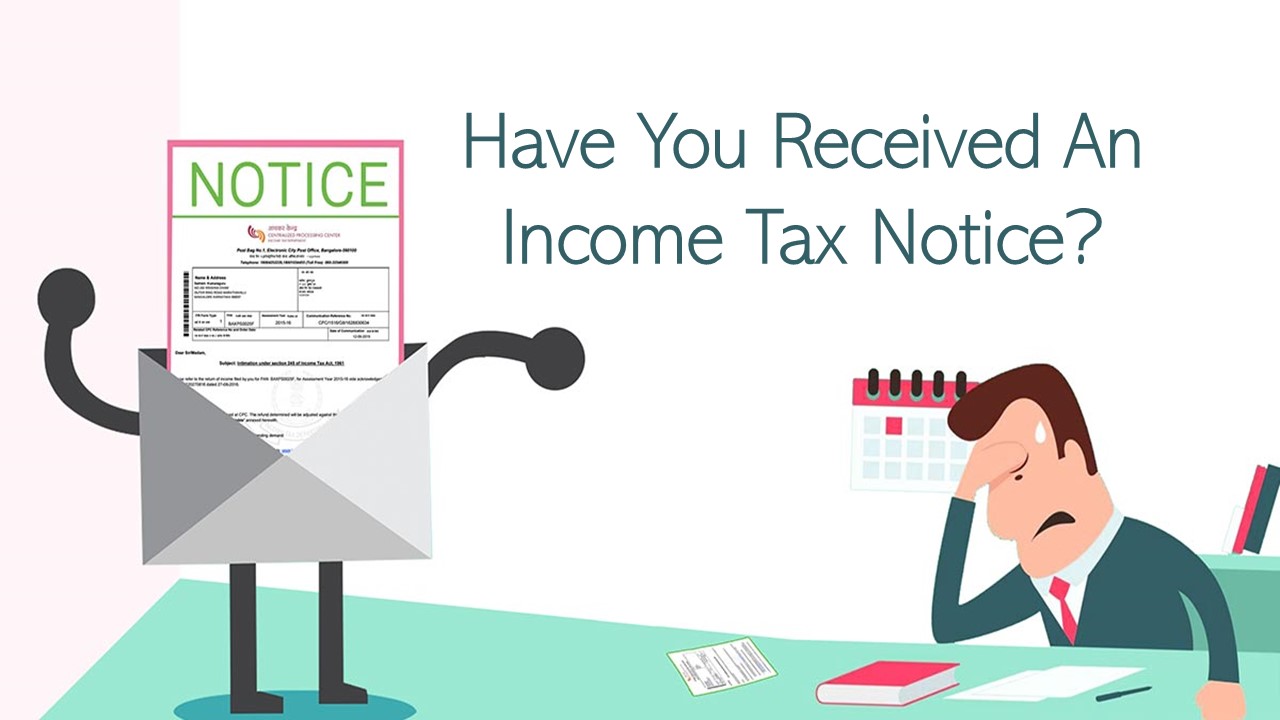
If you have also received an income tax notice, then you must know the reasons why these notices are issued, their different types, how to respond and common mistakes to avoid.
What Happens When Income Tax Notices Are Ignored?
 Saloni Kumari
 Aug 7, 2025
Table of Contents

Received Income Tax Notice? Know Ways to Respond, Common Types of Notices and Mistakes to Avoid
Previously this week, the Income Tax Department conducted raids all over the country and uncovered a great number of individuals and entities involved in fraud, such as fake deduction claims, excess and fake ITC claims and others. Tax experts expect a large number of individuals will receive tax notices this year, as the department has tightened its scrutiny. Receiving an income tax notice is a topic to be stressed; however, it is not necessary to always if you have received the notice, it does not always mean you have done something wrong.
There are several reasons why the income tax department sends notices; these reasons include every minor and major discrepancy and intention, such as mismatches and unreported income in the income tax return (ITR). Ignorance of these notices can lead to the imposition of penalties and many other serious litigations. Hence, it is recommended to always answer these notices timely manner to avoid any legal actions. It is significant to understand the reasons why these notices are sent and the proper way to answer these notices.
Types of Income tax Notices
Below are listed a few common types of income tax notices: 1. Intimation Notice: It is a preliminary notice sent by the income tax department after your ITR is processed under Section 143(1) to indicate adaptations such as tax calculation discrepancies in TDS. This is the most commonly received communication from the Income Tax Department. This notice may indicate one of three outcomes: (1) no discrepancy found, (2) a refund is due to you, or (3) additional tax is payable due to a mismatch or error. 2. Defective Return Notice: When the filed income tax return (ITR) contains errors or misses compulsory details. The department considers it "Defective." These notices are issued under Section 139(9), inform the taxpayer of the defect in the ITR and give them a chance to rectify the issues within 15 days (or an extended period if granted). Common issues include missing income details, unverified returns, or inconsistencies in forms or annexures. 3. Income Escaping Assessment Notice: This notice is issued under Section 148 if the assessing officer believes that some income has escaped assessment, i.e., it was not reported or under-reported in a previous year. In this situation, the department can reopen the case. This allows the department to reassess the income for that year. It is often triggered by new information received after the original return was filed, such as data from third parties, investigations, or audits. 4. Notice for Non-Filing ITR: This notice is issued under Section 142(1) if the Income Tax Department discovers that ITR is not filed even if the income was taxable. Majorly, these notices are issued when high TDS deductions are claimed but no returns are filed. If you receive this type of notice, try filing your ITR immediately if the date has not expired and you are liable to file. If not liable to file, then immediately submit your reply to the notice and explain the reason. 5. Penalty Notice: This notice is issued by the Income Tax Department under Section 234F (Late Filing Fee). This notice imposes a penalty on individuals for not filing the ITR before the due date. These notices are issued after the deadline of ITR filing, i.e., September 15. If you have received this notice and have, in actual fact, not filed your ITR, then pay the imposed penalty amount and file your return. If you have already filed the return and feel the notice is invalid, then immediately write to the Income Tax Department. 6. Demand Notice: This notice is issued by the Income Tax Department under Section 156. This notice is sent to the individuals when they owe additional tax after assessment. The key reason behind the issuance of this notice is Underpayment of tax or disallowance of deductions/claims. If you have also received this notice, then pay the imposed demand amount within 30 days. If you feel the amount is unfair, then immediately file an appeal, requesting its cancellation.How to Respond to Income Tax Notices:
Firstly, if you have received an income tax notice, then verify its details, such as PAN, assessment year, and issue type. Go through the notice deeply and read it carefully to know the reason behind its issuance. Then gather all necessary documents, such as Bank statements, Form 16, investment proofs, etc. Then submit a timely reply to the notice at the Income Tax Portal; if you have any confusion, then refer to an experienced chartered accountant. Also, if you feel like the notice issued to you is invalid, you should file an appeal against it in the respective courts.Common Mistakes to Avoid:
Do not ignore or delay filing a reply to the income tax notice; this can further lead to the issuance of penalty orders. Also, do not submit incomplete or dishonest replies to the notices; this can even lead to further legal actions.About Author


Saloni Kumari
Content Writer
Saloni is a Content Writer with 2+ years of experience at studycafe.in. She writes legal, taxation, and finance related content including GST, Income Tax etc. Skilled in translating complex judicial pronouncements and regulatory developments into clear, and reader-friendly articles. Experienced in covering judgements of ITAT, High Court, GSTAT, and news related to Income Tax, GST, and corporate law. She can be reached at [email protected].
Saloni is a Content Writer with 2+ years of experience at studycafe.in. She writes legal, taxation, and finance related content including GST, Income Tax etc. Skilled in translating complex judicial pronouncements and regulatory developments into clear, and reader-friendly articles. Experienced in covering judgements of ITAT, High Court, GSTAT, and news related to Income Tax, GST, and corporate law. She can be reached at [email protected].
 StudyCafe
 Delhi, Delhi, India
 2919
2919My Recent Articles
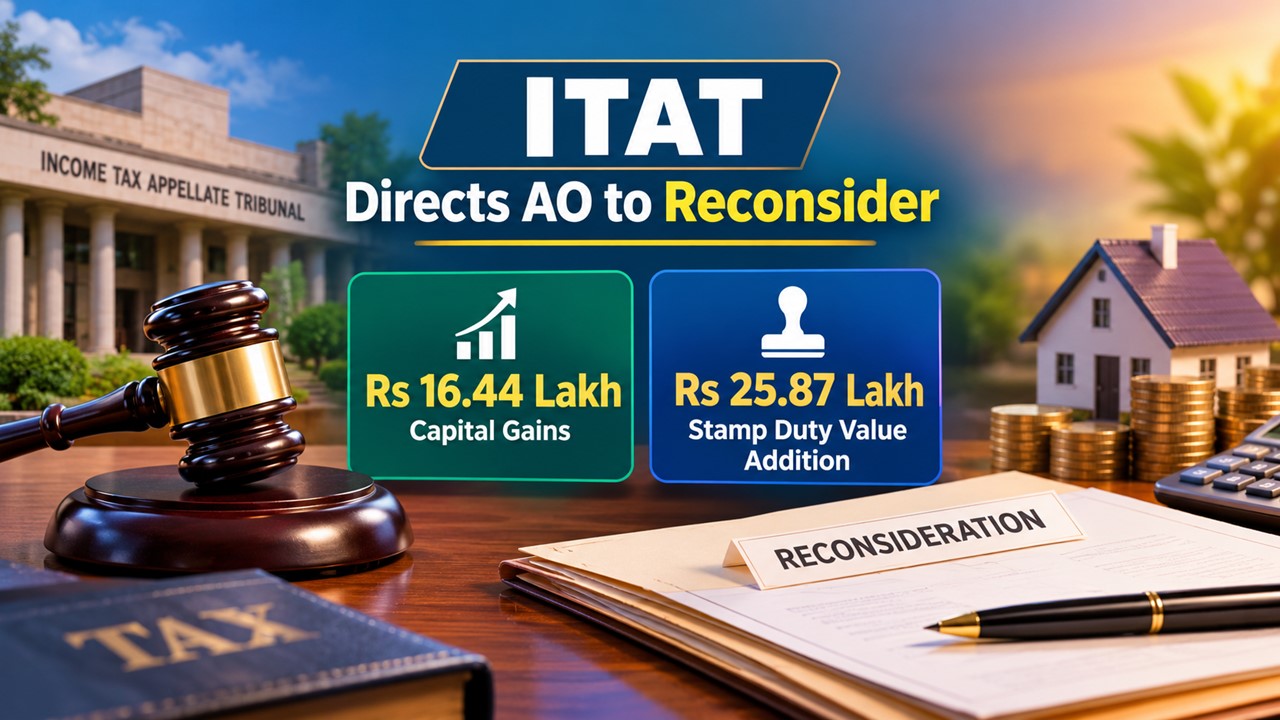
- ITAT Directs AO to Reconsider Rs 16.44 Lakh Capital Gains and Rs 25.87 Lakh Stamp Duty Value Addition
- ITAT Remands Rs 3.33 Crore Demonetisation Cash Deposit Case to AO, Directs Rs 10,000 Relief Fund Payment
- Income Tax Dept Increases Scope for Saksham Nudge Initiative to Further Include Professional Insuring Timely Compliance
- Vedanta Subsidiary ESL Steel Receives GST SCN for Rs. 2.76 Lakh IGST Demand Over Alleged RCM Short Payment
- Good News! ICAI Opens One-Day Window for Submission of MEF Form 2026-27 at meficai.org
Up Next
Loading suggestions…


Recent Posts
All Posts

Recent Posts
All Posts