Geomembranes Treated as Textile Products Despite HDPE Composition, Rules AAAR:
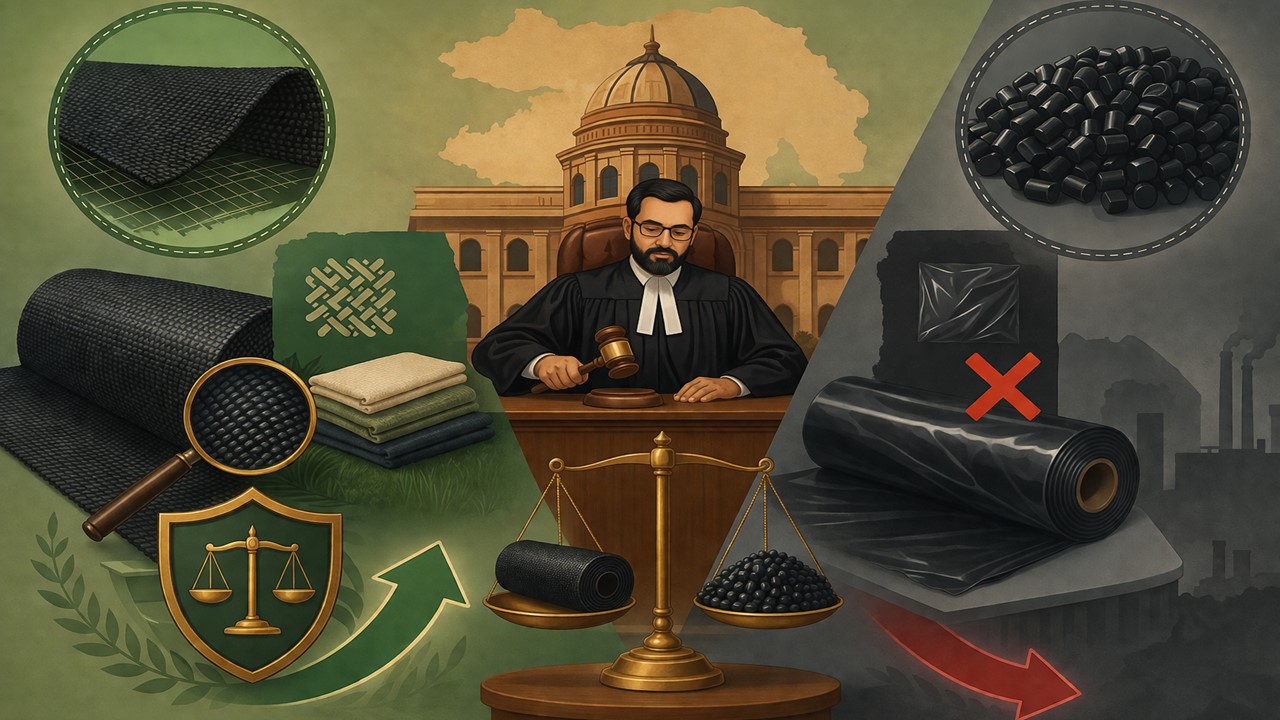
AAAR upholds geomembranes' classification as textile products under HSN 5911, rejecting the plastic category argument.
Woven HDPE Geomembranes Treated As Textile Products For Classification Purposes
 Meetu Kumari
 Apr 16, 2026
Shree Ambica Geotex manufactures geomembranes, which are durable, waterproof sheets used primarily as lining in aquaculture. The production process is a bit of a hybrid: it starts with HDPE granules turned into strips, which are then woven into a fabric and finally coated or laminated on both sides to ensure they are watertight. The Gujarat Authority for Advance Ruling (AAR) originally tagged these as textile products for technical use under HSN 5911. However, the Tax Department disagreed, arguing that because the base material is HDPE (plastic), the product should be taxed as a plastic article under HSN 3926.
Issue Before Court: Should waterproof geomembranes made from woven HDPE strips be classified as plastic articles (Chapter 39) or as technical textiles (Chapter 59)?

Tribunal Decided: The Appellate Authority sided with the manufacturer, largely due to a legal "settled issue". The Gujarat High Court had previously ruled in a similar case (Ananta Synthetic Innovations) that these products are indeed textiles. Since the government never appealed that High Court decision, it became the binding law for the state.
The Authority noted that once the HDPE strips are woven, the product fundamentally changes from "plastic" to "fabric". The final lamination, while it adds waterproofing, doesn't strip away its essential textile character, especially considering its industrial and technical applications. Therefore, the classification under HSN 5911 was upheld, and the Department’s appeal was dismissed.

About Author


Meetu Kumari
Content Manager
 Studycafe
 Jodhpur, Rajasthan, India
 2264
2264My Recent Articles
- ITAT Condones 302-Day Delay, Restores Salary Assessment for Fresh VerificationPremium
- ITAT Condones Delay After Tax Consultant's Death, Restores Appeals for Fresh HearingPremium
- ITAT Remands Salary Addition, Says Taxability Depends on Salary Becoming Due, Not Mere ReceiptPremium
- ITAT Deletes TP Royalty Adjustment, Orders Fresh Review of Commission BenchmarkingPremium
- ITAT Quashes Reassessment Over Unsigned Section 148 Notice Issued to AssesseePremium
Loading suggestions…


Recent Posts



All Posts



Tags
Recent Posts
All Posts