GST rates are not decided by courts or by central government alone, They are decided by GST Council: HC:
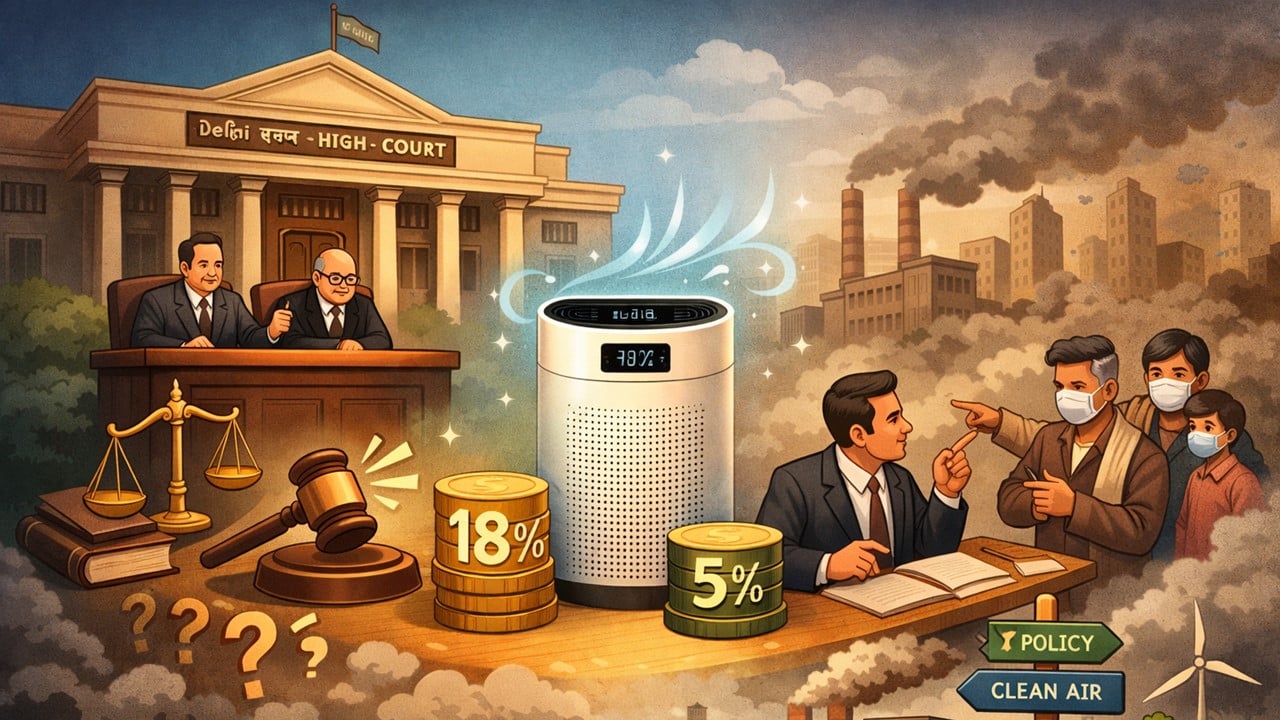
Delhi HC questioned why GST on air purifiers and HEPA filters could not be reduced from 18% to 5% by treating them as medical devices.
Taxing Clean Air: Who Decides GST Slab?
 Vanshika verma
 Dec 30, 2025
GST rates are not decided by courts or by central government alone, They are decided by GST Council: HC
Recently, the Delhi High Court, while hearing a Public Interest Litigation (PIL), questioned why GST on air purifiers and HEPA filters could not be reduced from 18% to 5% by treating them as medical devices. The court even suggested that the GST Council should meet urgently to consider this matter. This shows the court’s concern about rising air pollution and its impact on public health, which is a genuine and serious issue in India.
However, the problem is not about whether air pollution is dangerous everyone agrees that it is a public health emergency. The concern is about the process of decision-making. GST rates are not decided by courts or by the central government alone. They are decided by the GST Council, which is a constitutional body made up of representatives from both the Centre and the states. Any change in GST rates requires a three-fourth majority in the Council. If courts start directing or pressuring changes in tax rates, it can disturb the balance between the judiciary, executive, and legislature.
While lowering GST on air purifiers could make them cheaper and more affordable for people, it is still a policy decision. Courts are meant to interpret laws and ensure rights, not to fix tax rates. This is why the Centre has argued that entertaining such petitions can "short-circuit" the legislative process.
Moreover, simply reducing GST on air purifiers is not a complete solution to the pollution problem. It shifts the responsibility onto individuals to protect themselves inside their homes, instead of making the government accountable for ensuring clean air in public spaces. Air pollution needs a long-term and well-planned strategy involving stricter environmental laws, better enforcement, cleaner fuels, and sustainable development policies.
The Courts do have an important role in pushing the government to act faster on environmental issues, as seen in cases like the Aravalli matter. But that role should stop short of deciding tax rates. Tackling air pollution requires strong policy action by the government through proper constitutional bodies, not judicial decisions on GST slabs.
About Author


Vanshika verma
Content Writer
Vanshika Verma is a Content Writer with 1+ year of experience at Studycafe.in. A B.Com graduate from Delhi University, She writes articles on Finance, Tax, ICAI, GST, and the latest financial news, with a focus on making complex topics easy for readers and professionals.
Vanshika Verma is a Content Writer with 1+ year of experience at Studycafe.in. A B.Com graduate from Delhi University, She writes articles on Finance, Tax, ICAI, GST, and the latest financial news, with a focus on making complex topics easy for readers and professionals.
 Studycafe
 Delhi, Delhi, India
 2096
2096My Recent Articles
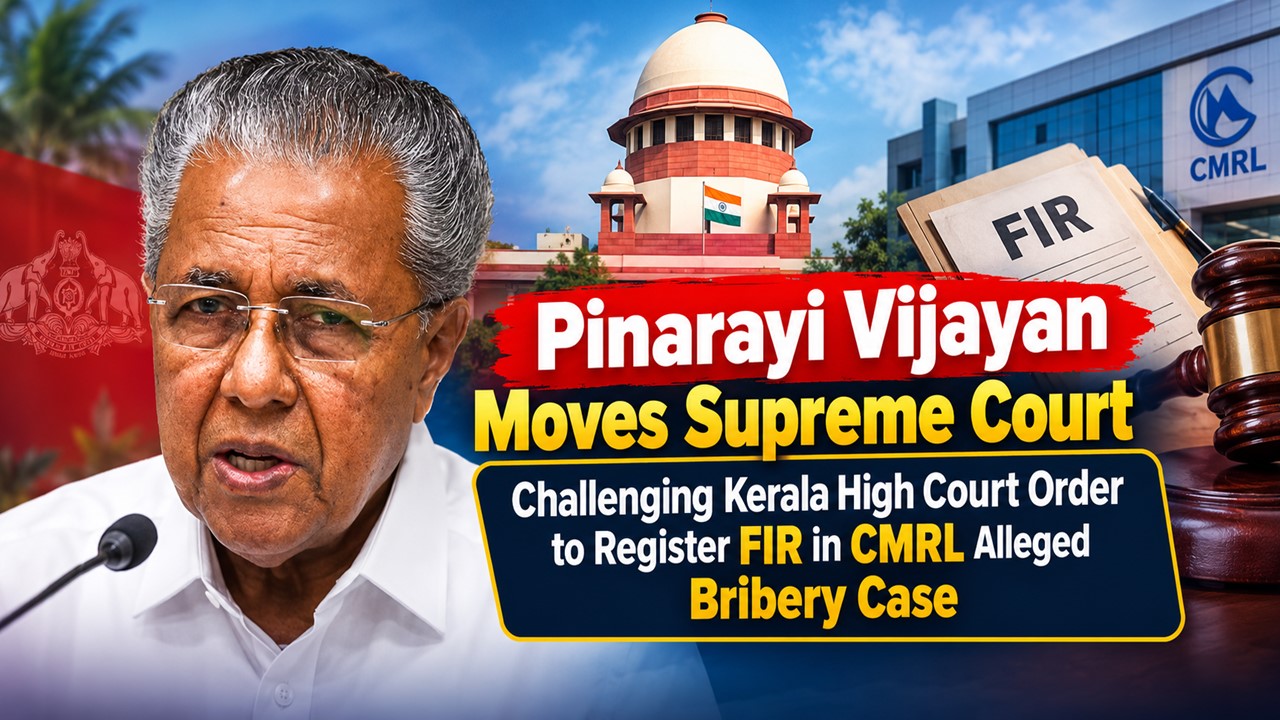
- Pinarayi Vijayan Moves Supreme Court Challenging Kerala High Court Order to Register FIR in CMRL Alleged Bribery Case
- CBI Lays Trap in Srinagar, Arrests SMC Ward Officer Red-Handed While Allegedly Accepting Rs 10,000 Bribe
- NIIT Limited Discloses Income Tax Department’s Appeal Before Delhi ITAT, Says No Adverse Financial Impact Expected
- Fake WhatsApp Boss Dupes Company Accountant of Rs 40 Lakh; Surat Police Arrest Haryana Man in Cyber Fraud Case
- Uttarakhand Tax Department Detects Rs 2.5 Crore Tax Evasion at Ramnagar Resort
Up Next
Loading suggestions…


Recent Posts
All Posts


Recent Posts
All Posts