High Court Dismisses Writs on Alleged Fake ITC Claims, Grants Time for Statutory Appeal:
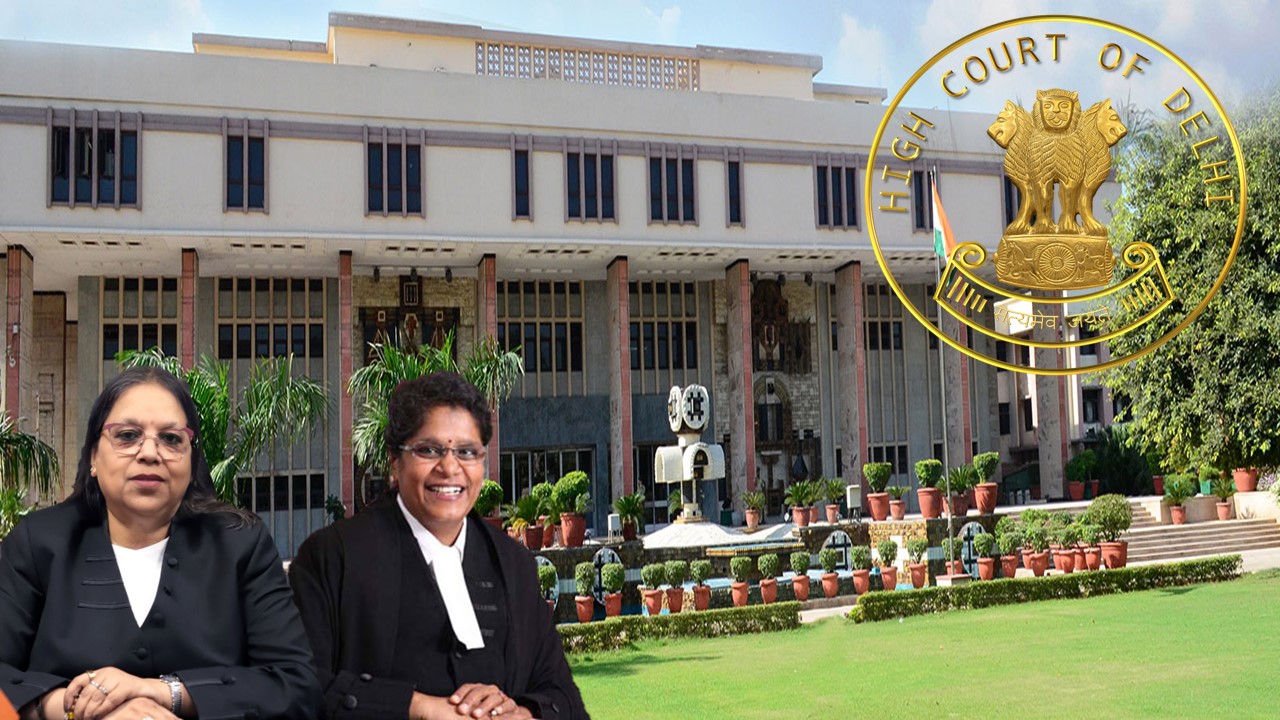
The High Court dismissed writ petitions challenging fake ITC allegations, holding that such disputes must be examined in statutory appeal proceedings and granted time to file appeals with pre-deposit.
Delhi HC Upholds Ex-Parte GST Order in Fake ITC Case
 Saloni Kumari
 Dec 31, 2025
High Court Dismisses Writs on Alleged Fake ITC Claims, Grants Time for Statutory Appeal
Recently, several writ petitions were filed in the Delhi High Court by VDR Colours And Chemicals Private Limited and Others, challenging an order dated January 29, 2025, passed by the Assistant Commissioner (Adj.) CGST, Delhi North.
The order was issued subsequent to a Show Cause Notice (SCN), which alleged that petitioners of claiming bogus Input Tax Credit (ITC) through non-existent firms and invoices, without actual movement of goods. The total fraudulent ITC amounted to crores of rupees.
The key argument raised by the petitioners in the present case is that they were not given the opportunity of a hearing, which is a violation of the provisions of natural justice. However, the tax department argued that petitioners were given multiple chances of hearing, but none appeared for the same, which ultimately led the authority to issue the final ex parte order.
When the High Court heard the argument from both sides and examined the case, it noted that although the tax department failed at furnishing evidence that proper personal hearing notices were dispatched from their side, all petitioners were aware of the proceedings ongoing, as the SCN issued to them was properly replied to. But, additionally, the response filed by petitioners did not clearly explain the transactions or rebut the allegations on the merits.
The High Court further highlighted the fact that cases involving fake availment of ITC generally require detailed examination and verification of evidence, and generally do not exercise writ jurisdiction under Article 226 of the Constitution. The court cited earlier judgments of the Supreme Court and High Courts; they all ruled the same, that in such cases, taxpayers should initially be directed to use the statutory appellate remedy under Section 107 of the CGST Act.
Considering the aforesaid findings, the High Court dismissed the present writ petitions and allowed petitioners to furnish statutory appeals till January 31, 2026, even though the normal limitation period had expired. But on the conditions, petitioners are required to pay a pre-deposit, and it is directed that such appeals should be decided on merits without being rejected on limitation grounds.
About Author


Saloni Kumari
Content Writer
Saloni is a Content Writer with 2+ years of experience at studycafe.in. She writes legal, taxation, and finance related content including GST, Income Tax etc. Skilled in translating complex judicial pronouncements and regulatory developments into clear, and reader-friendly articles. Experienced in covering judgements of ITAT, High Court, GSTAT, and news related to Income Tax, GST, and corporate law. She can be reached at [email protected].
Saloni is a Content Writer with 2+ years of experience at studycafe.in. She writes legal, taxation, and finance related content including GST, Income Tax etc. Skilled in translating complex judicial pronouncements and regulatory developments into clear, and reader-friendly articles. Experienced in covering judgements of ITAT, High Court, GSTAT, and news related to Income Tax, GST, and corporate law. She can be reached at [email protected].
 StudyCafe
 Delhi, Delhi, India
 2889
2889My Recent Articles
- ITAT Sets Aside Rejection of Charitable Trust’s Section 12AB Registration Application, Remands Case to CIT(E) for Fresh Consideration
- Can Same-Sex Partners Claim Tax Exemption on Gifts as Spouses? Karnataka High Court to Examine
- ITAT Remits Section 80G Renewal Application to CIT(E) for Fresh Consideration in Light of CBDT Circular
- Dreamfolks Services Faces Rs 1.58 Crore IGST Demand Over ITC Availment on Invoices Issued by GST-Cancelled Supplier
- ITAT Restores Taxpayer's Appeal In Interest of Natural Justice After CIT(A)'s Failure to Decide Appeal on Merits
Up Next
Loading suggestions…


Recent Posts
All Posts

Tags
Recent Posts
All Posts