How to Select Correct ITR Form; Know More:
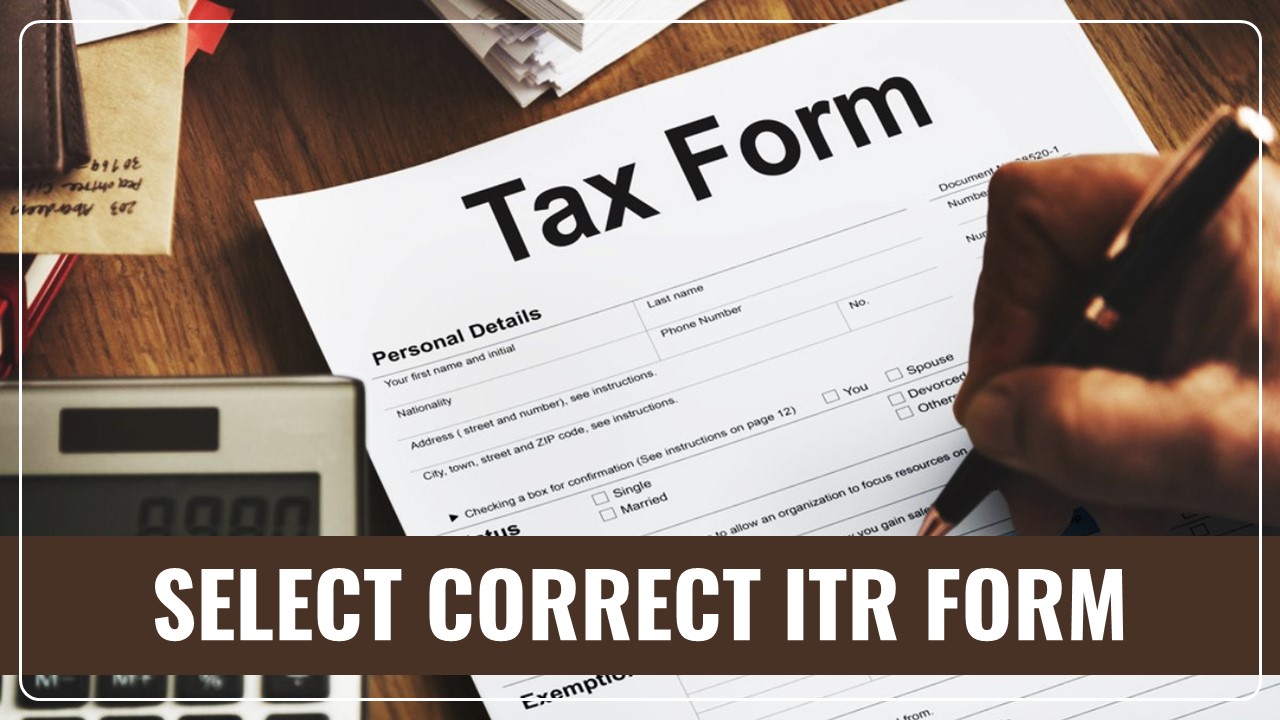
The deadline to file ITR just 2 days away. One of the first steps in filing a tax return is choosing the correct ITR form.
Select Correct ITR Form before ITR Filing
 Anisha Kumari
 Jul 29, 2024
Table of Contents

How to Select Correct ITR Form; Know More
The deadline to file income tax returns for the financial year 2023-24 (the assessment year 2024-25) is quickly approaching on July 31 just 2 days away.
Over 5 crore taxpayers have already filed their returns according to the income tax (I-T) department. If you haven't filed yet it's important to act quickly. You should avoid issues like delayed refunds, late-filing fees and interest on any taxes due.
Picking the Correct ITR Form
One of the first steps in filing a tax return is choosing the correct ITR form. Here’s a simple guide for individual taxpayers: Forms for Salaried Individuals: ITR-1 and ITR-2 ITR-1 (Sahaj): This form is for residents who are salaried taxpayers or pensioners with income of less than Rs 50 lakh. Use this form if you have- 1. Only one house property. 2. Agricultural income up to Rs.5,000 3. Income from savings or fixed deposits dividends and family pension. The form is pre-filled with your personal information, income details and financial transaction data. This makes for easy filing. You need to verify information with your Form 16 bank statements, Form 26AS and AIS. Complete the process online. ITR-2: Use this form if you are a salaried individual or pensioner with- 1. Income over Rs.50 lakh 2. Multiple sources of income. 3. Complex financial transactions. You should also use ITR-2 if you are a non-resident resident but not ordinarily resident (RNOR), have capital gains or losses are directors in the company, own unlisted shares or ESOPs have a foreign bank account, or have other assets outside India. You cannot use ITR-2 if you have income from a business or profession. ITR-3: For Those With Business Income This form is for individuals or Hindu Undivided Families (HUF) with income from business or profession. You can also report other sources of income like salary pension capital gains and house property. Use ITR-3, if you are not eligible to file returns using ITR-1, ITR-2 or ITR-4. ITR-4 (Sugam): For Small Business Owners and Professionals This form is for resident individual taxpayers, HUFs or firms (but not LLPs) with incomes up to Rs 50 lakh from business or profession. It is an optional form aimed at making the filing process simpler for small businesspersons or professionals. You can declare earnings on a ‘presumptive’ basis under sections 44AD, 44ADA or 44AE. From the financial year 2023-24, turnover and gross receipts thresholds for sections 44AD and 44ADA have been increased to Rs.3 crore and Rs.75 lakh respectively. This is provided that cash receipts do not exceed 5% of total gross receipts. You can use ITR-4 if you have: 1. Salary or pension income with one house property 2. Income from family pension dividends or interest from deposits 3. Agricultural income up to Rs.5,000 However you cannot use ITR-4 if you are a director in the company, have unlisted equity shares foreign income or assets, or brought forward losses or losses to be carried forward. By selecting the correct ITR form, you ensure that your tax return is accurate and complete. This helps you avoid any issues with the tax department.About Author


Anisha Kumari
Content Writer
Anisha is a finance content writer at StudyCafe, writing on domains like mutual funds, stock market trends, GST, income tax, and SIPs. With a knack for breaking down complex financial topics, Anisha delivers clear and insightful articles that keep readers informed and empowered. She can be reached at [email protected].
Anisha is a finance content writer at StudyCafe, writing on domains like mutual funds, stock market trends, GST, income tax, and SIPs. With a knack for breaking down complex financial topics, Anisha delivers clear and insightful articles that keep readers informed and empowered. She can be reached at [email protected].
 Studycafe
  Bokaro, Jharkhand, India
 321
321My Recent Articles
- AI Tools Catch Rs. 68 Lakh Capital Gains Tax Fraud in Hyderabad
- Bank of Baroda Chief Manager’s Suicide Raises Concerns Over Work Pressure
- CA in Trouble: ED Seizes Rs. 6.8 Cr Assets in ERDC Trust Fraud Case
- Gujarat Ambuja Exports Receives GST Demand Order of Rs. 33 Lakh
- GST AAR: Exchange of Silverscrap for finished ornaments Supply
Up Next
Loading suggestions…


Recent Posts

All Posts

Tags
No tags yet.
Recent Posts
All Posts
Tags
No tags yet.