Income Tax Department Cancels Registration of top Mumbai Hospitals Over Profit Motive:

Income Tax Department denies tax exemption to Mumbai hospital and spiritual trust over alleged commercial activities, raising questions about their charitable status.
Income Tax Department Denies Exemption
 Vanshika verma
 May 5, 2026
Income Tax Department Cancels Registration of top Mumbai Hospitals Over Profit Motive
A serious conflict is growing between India's Income Tax Department and charitable organizations. These charities are often supported by big business groups and international organizations, and the tax authorities are closely examining their activities.
Three big hospitals in Mumbai and a famous international spiritual organisation, registered as charitable trusts, have been denied income tax exemption. The tax department believes that they are carrying out business-like or commercial activities and not purely charitable activities. These registrations were supposed to be renewed in March 2026, but they were not approved. Some of these organizations have already challenged the decision in the Income Tax Appellate Tribunal.
Charitable trusts, religious organizations and non-profit organisations should register with Section 12AB of the Income Tax Act. The registration under this section is important because it allows these organizations to get tax exemptions. If a charitable organization does not have valid registration, any surplus it earns can be taxed just like business profit.
When the registrations of these organizations came up for renewal, the tax department raised concerns. It found some of them were earning high profits or huge surpluses and this raised doubts among officials about whether they were really operating as charities. Tax officers have powers to probe whether a trust is doing genuine charitable work and whether it is properly adhering to its stated objectives, experts say.
he Income Tax Act uses the word "genuineness" to make it clear that tax benefits for charities are not just about paperwork. It is not enough for a trust or organisation to just show documents or formal compliance. The real question is whether it is actually doing genuine charitable work in practice.
Authorities don’t just rely on what is written in documents. They check what the organization is actually doing in real life. So, if a trust is not really following its stated charitable goals, it can face serious consequences or penalties.
An important case on this topic is a 2022 Supreme Court decision about the Ahmedabad Urban Development Authority. The Court said that organizations meant for public welfare can charge enough to cover their costs and even make a small surplus, as long as it is directly linked to their charitable work and stays within legal limits. But if they charge much more than what it actually costs, it may look like they are acting like a business instead of a charity.
About Author


Vanshika verma
Content Writer
Vanshika Verma is a Content Writer with 1+ year of experience at Studycafe.in. A B.Com graduate from Delhi University, She writes articles on Finance, Tax, ICAI, GST, and the latest financial news, with a focus on making complex topics easy for readers and professionals.
Vanshika Verma is a Content Writer with 1+ year of experience at Studycafe.in. A B.Com graduate from Delhi University, She writes articles on Finance, Tax, ICAI, GST, and the latest financial news, with a focus on making complex topics easy for readers and professionals.
 Studycafe
 Delhi, Delhi, India
 2103
2103My Recent Articles
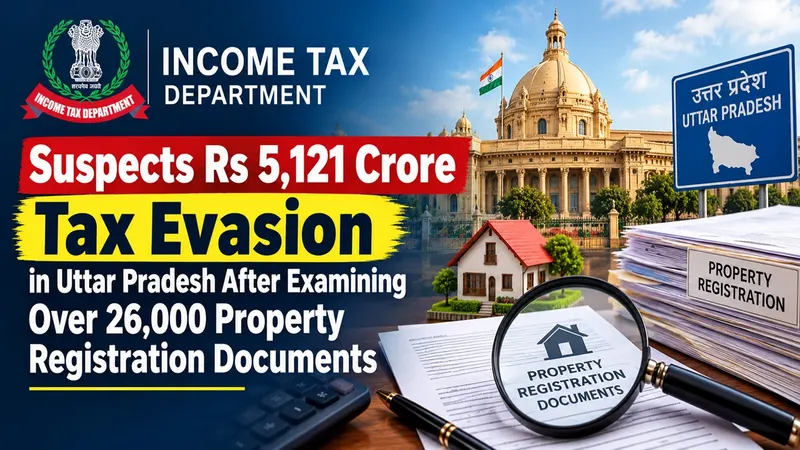
- Income Tax Department Suspects Rs 5,121 Crore Tax Evasion in Uttar Pradesh After Examining Over 26,000 Property Registration Documents
- Kalpataru Properties Gets Rs 73.85 Crore GST Notice, Says No Material Impact Expected
- Amara Raja Energy And Mobility Faces Rs 1.89 Crore GST Demand as Meerut Appellate Authority Upholds Earlier Tax Order
- Taj Hotels Operator IHCL Fined Rs 10 Lakh by BMC for Alleged Failure to Obtain NOC for Building Plan Approval
- Centre Hikes Windfall Tax on Petrol Exports to Rs 2.5 per Litre, Cuts Diesel Export Duty to Rs 8.5
Up Next
Loading suggestions…


Recent Posts

All Posts

Recent Posts
All Posts