Know Why E-verification Is Important to Complete the ITR Process:
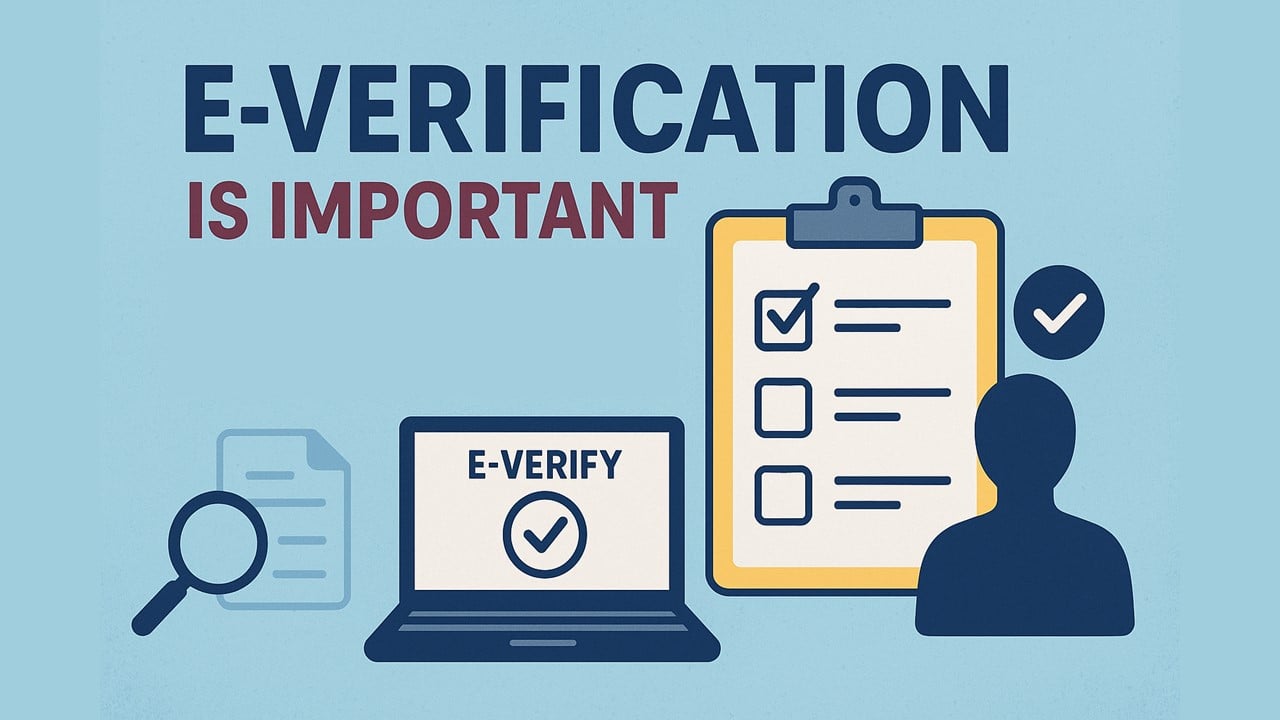
The government has extended the ITR filing deadline to September 16, 2025, but taxpayers must also e-verify their returns within 30 days to avoid penalties
Consequences of Missing the 30-Day E-Verification Window
 Vanshika verma
 Sep 17, 2025
Table of Contents

Know Why E-verification Is Important to Complete the ITR Process
The government has announced a one-day extension for filing income tax returns (ITRs), moving the deadline from September 15, 2025, to September 16, 2025. The decision aims to ease difficulties faced by taxpayers amid heavy portal traffic and technical glitches.
Many taxpayers are confused if they have to verify their returns before the deadline. Taxpayers should note that only filing ITR is not sufficient; the taxpayer has to e-verify their ITR also to complete the process.
The Income Tax Department has shared that the total number of ITRs filed till September 12, 2025 is 7,08,89,145. The data also showed that about 6.23 crore ITRs had been verified. Which means that around 86 lakh ITRs were filed but not verified.
What do you mean by ITR e-verification?
The electronic verification (e-verification) service permits taxpayers to verify their income tax returns online. This process is important for finishing the return filing procedure and can be done using Aadhaar OTP, EVC, or net banking.Consequences of Not E-verifying ITR Within 30 days of Filing
If a taxpayer does not e-verify their ITR within 30 days, then their tax return will be considered as incomplete and will be treated as invalid. As per the Income Tax Website, “Where the return of income is uploaded within the due date but e-verified or ITR-V submitted after 30 days of uploading, in such cases, the date of e-verification/ITR-V submission shall be treated as the date of furnishing the return of income and all consequences of late filing of return under the act shall follow, as applicable. The date on which the duly verified ITR-V is received at CPC shall be considered for the purpose of determination of the 30 days period. It is further clarified that where the return of income is not verified after uploading, such return shall be treated as invalid.” As per the I-T Department’s website, the non-verification of the submitted ITR within the 30 day-deadline would require filing a belated ITR. However, taxpayers may face late filing consequences such as late fees under Section 234F of Rs 5,000 (restricted to Rs 1,000 if the total income does not exceed Rs 5 lakh). Additionally, the taxpayer may not be able to select the old tax regime if they have not verified the ITR filed before the deadline of 30 days and the ITR filing deadline is over.About Author


Vanshika verma
Content Writer
Vanshika Verma is a Content Writer with 1+ year of experience at Studycafe.in. A B.Com graduate from Delhi University, She writes articles on Finance, Tax, ICAI, GST, and the latest financial news, with a focus on making complex topics easy for readers and professionals.
Vanshika Verma is a Content Writer with 1+ year of experience at Studycafe.in. A B.Com graduate from Delhi University, She writes articles on Finance, Tax, ICAI, GST, and the latest financial news, with a focus on making complex topics easy for readers and professionals.
 Studycafe
 Delhi, Delhi, India
 2096
2096My Recent Articles
- Pinarayi Vijayan Moves Supreme Court Challenging Kerala High Court Order to Register FIR in CMRL Alleged Bribery Case
- CBI Lays Trap in Srinagar, Arrests SMC Ward Officer Red-Handed While Allegedly Accepting Rs 10,000 Bribe
- NIIT Limited Discloses Income Tax Department’s Appeal Before Delhi ITAT, Says No Adverse Financial Impact Expected
- Fake WhatsApp Boss Dupes Company Accountant of Rs 40 Lakh; Surat Police Arrest Haryana Man in Cyber Fraud Case
- Uttarakhand Tax Department Detects Rs 2.5 Crore Tax Evasion at Ramnagar Resort
Up Next
Loading suggestions…


Recent Posts


All Posts


Recent Posts
All Posts