SC: Summons u/s 70 not “initiation of proceedings” under Section 6(2)(b) of CGST Act:
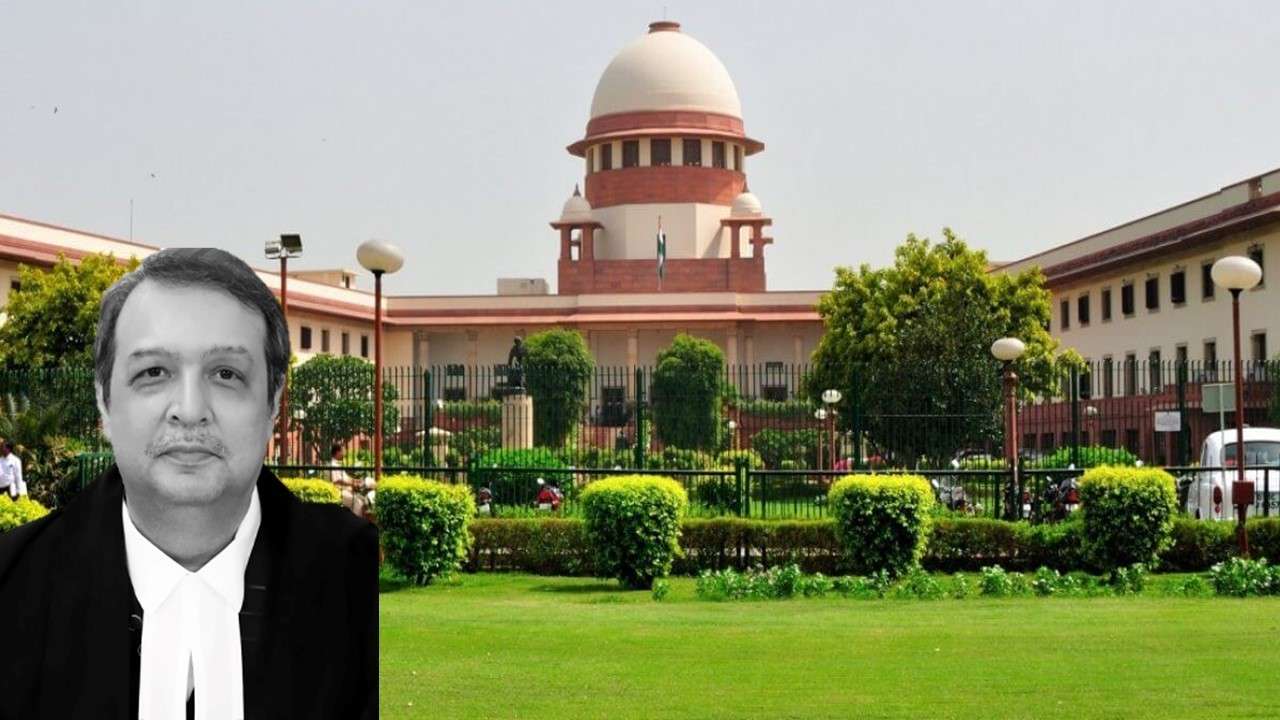
SC holds that only issuance of a show cause notice constitutes initiation of proceedings; summons under Section 70 are preliminary steps and not barred by Section 6(2)(b)
SC on Pre-Show Cause Notice Consultation: Non-Compliance Makes SCN Invalid under CGST Act
 Meetu Kumari
 Aug 19, 2025
To reduce taxpayer hardship and avoid institutional friction, the Court laid down operational guidelines. Where overlap is evident, a nodal officer (not below Additional/Joint Commissioner) must promptly decide which authority proceeds; the second authority should ordinarily stand down, unless exceptional circumstances warrant limited action. If the first-seized authority is already undertaking inquiry/investigation on the same subject matter and period, it should carry it to its logical conclusion, with coordinated data-sharing to prevent duplication. Non-compliance with these directions may be addressed by writ before the jurisdictional High Court, and taxpayers are expected to cooperate with summons/notices. The Court also suggested strengthening common IT systems for real-time visibility and coordinated intelligence between Central and State formations.
The special leave petition was disposed of accordingly, with any other pending applications as dismissed.
To Read Full Judgment, Download PDF Given Below

About Author


Meetu Kumari
Content Manager
 Studycafe
 Jodhpur, Rajasthan, India
 2264
2264My Recent Articles
- ITAT Condones 302-Day Delay, Restores Salary Assessment for Fresh VerificationPremium
- ITAT Condones Delay After Tax Consultant's Death, Restores Appeals for Fresh HearingPremium
- ITAT Remands Salary Addition, Says Taxability Depends on Salary Becoming Due, Not Mere ReceiptPremium
- ITAT Deletes TP Royalty Adjustment, Orders Fresh Review of Commission BenchmarkingPremium
- ITAT Quashes Reassessment Over Unsigned Section 148 Notice Issued to AssesseePremium
Loading suggestions…


Recent Posts
All Posts
Tags
Recent Posts
All Posts