Smart Tax Relief with Section 54D: Capital Gains Exemption for Industrial Land and Buildings:
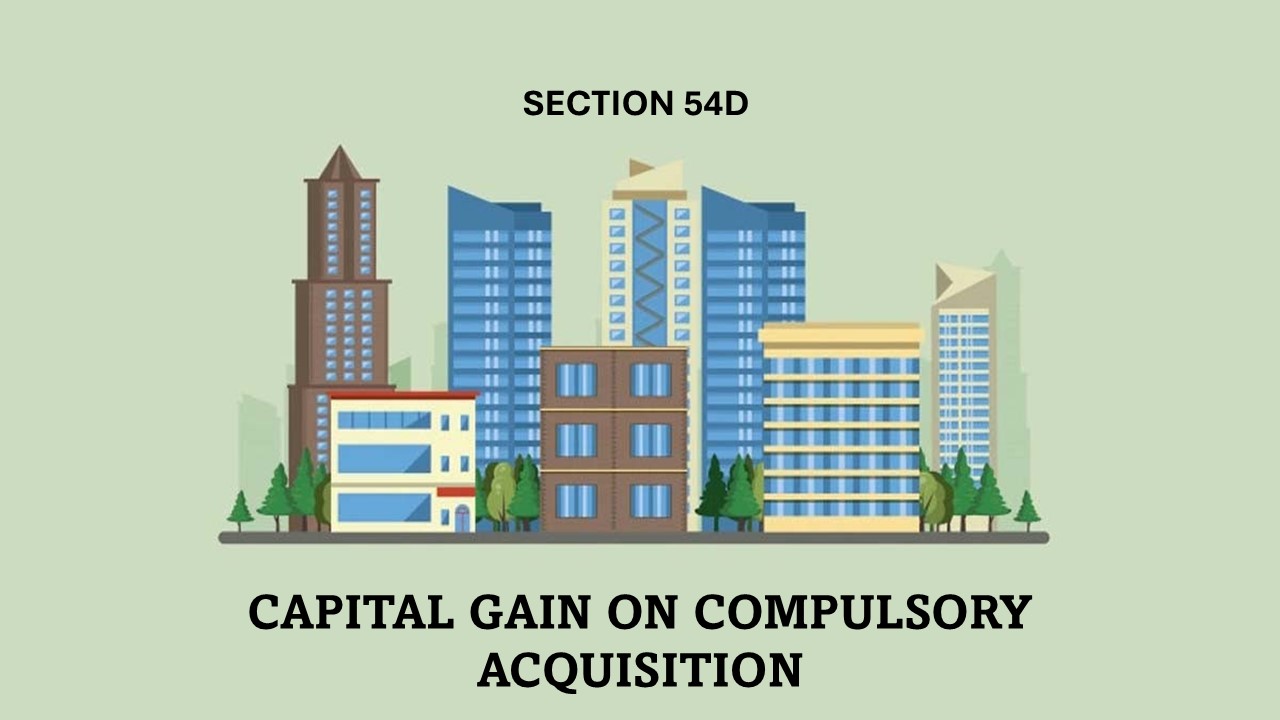
Here's a detailed breakdown of how one can avoid paying tax on capital gain using Section 54D of the Income Tax Act when land or a building is used for industrial purposes.
Capital Gains Exemption for Industrial Land and Buildings Under Section 54D
 Saloni Kumari
 Aug 6, 2025
Smart Tax Relief with Section 54D: Capital Gains Exemption for Industrial Land and Buildings
The Income Tax Act provides taxpayers a way to avoid paying tax on capital gains if they use the profit from selling a property or asset to buy certain approved new assets. This income tax exemption can be claimed using different sections, such as Section 54, Section 54B, Section 54D, Section 54EC, Section 54EE, Section 54F, Section 54G, Section 54GA, Section 54GB, etc. Each section covers a specific type of investment or situation where you can get this tax relief.
In this article, we will discuss how one can avoid paying capital gains tax using Section 54D of the Income Tax Act. Exemption on capital gain can be claimed using Section 54D when land or a building used for an industrial purpose is compulsorily acquired by the government or any other legal authority. Meaning if the government forces an industrial business to transfer its land or building for public purposes, like for building roads, dams, etc., and the business makes a profit or gain from this transaction, that capital gain can be exempt from tax under certain conditions. This exemption can be claimed on both short-term and long-term capital gains resulting from the compulsory acquisition of land or buildings for public purposes.
For this exemption to be made applicable, the land or building that is being transferred by the taxpayer should be used for the purpose of running an industrial business for at least 2 years before the date of compulsory acquisition. After the transfer of land or building, the taxpayer must purchase or construct another land or building within 3 years from the date of compulsory acquisition. The purpose of buying this new land/building should be to either move the existing business or start a new one to qualify for the exemption.
The amount of exemption that will be awarded to the taxpayer under Section 54D will be whichever is lower of the following two:
- The actual capital gain made from the compulsory acquisition, or
- The amount spent on purchasing or constructing the new land or building (including any amount deposited in the Capital Gains Account Scheme).

About Author


Saloni Kumari
Content Writer
Saloni is a Content Writer with 2+ years of experience at studycafe.in. She writes legal, taxation, and finance related content including GST, Income Tax etc. Skilled in translating complex judicial pronouncements and regulatory developments into clear, and reader-friendly articles. Experienced in covering judgements of ITAT, High Court, GSTAT, and news related to Income Tax, GST, and corporate law. She can be reached at [email protected].
Saloni is a Content Writer with 2+ years of experience at studycafe.in. She writes legal, taxation, and finance related content including GST, Income Tax etc. Skilled in translating complex judicial pronouncements and regulatory developments into clear, and reader-friendly articles. Experienced in covering judgements of ITAT, High Court, GSTAT, and news related to Income Tax, GST, and corporate law. She can be reached at [email protected].
 StudyCafe
 Delhi, Delhi, India
 2922
2922My Recent Articles
- GSTN Introduces New E-Invoicing Facility for Self-Invoices Under Reverse Charge Mechanism
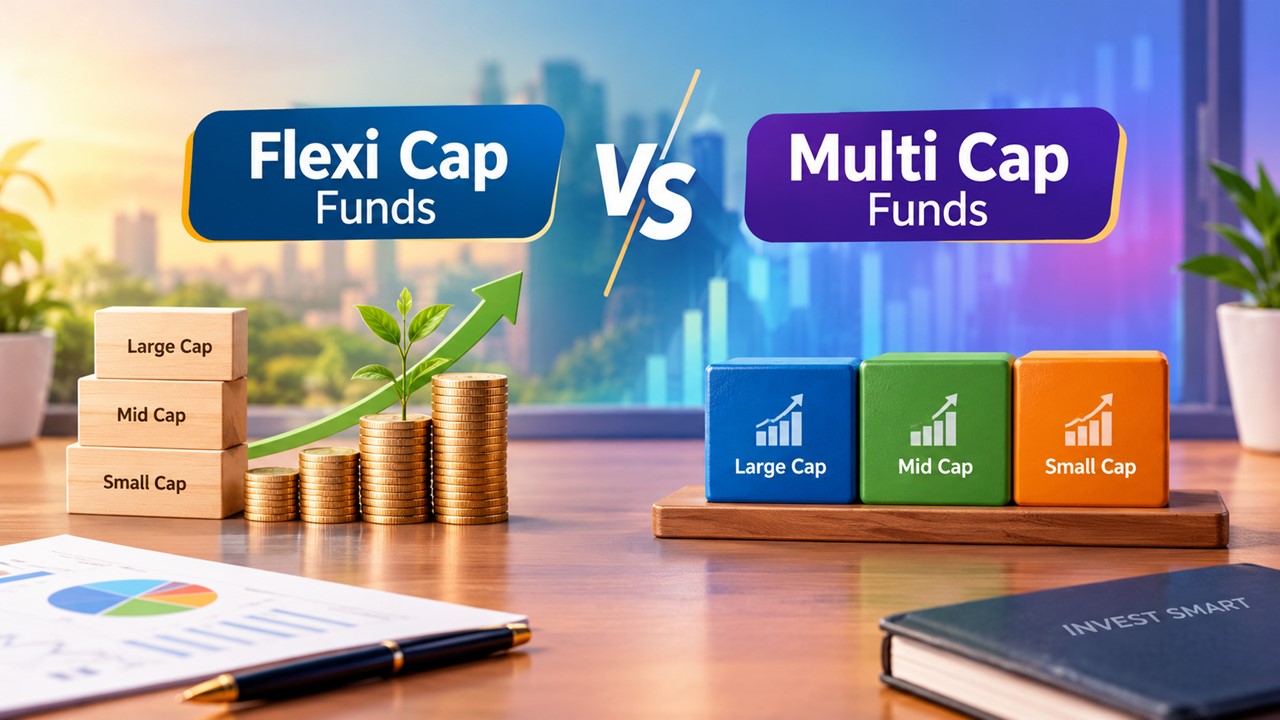
- Flexi Cap vs Multi Cap Funds: What's the Real Difference?
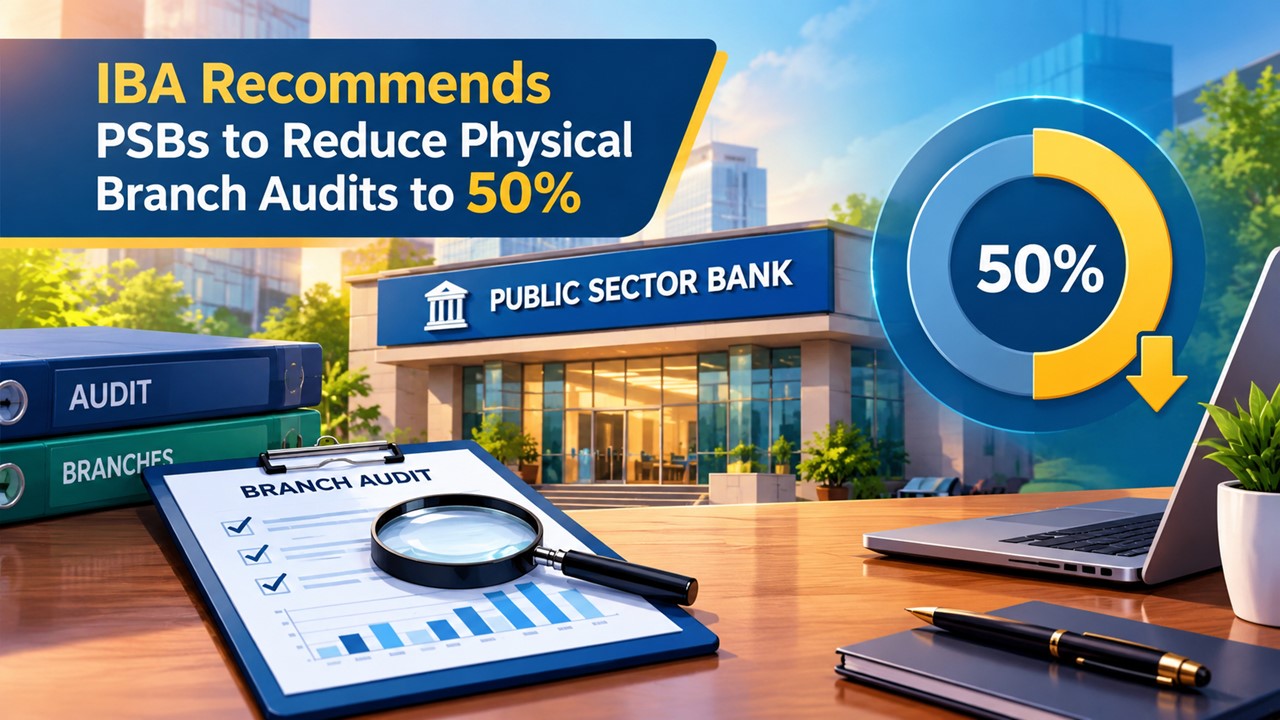
- IBA Recommends Public Sector Banks to Reduce Ambit of Physical Branch Audits to 50% of Total Business
- ITAT Directs AO to Reconsider Rs 16.44 Lakh Capital Gains and Rs 25.87 Lakh Stamp Duty Value Addition
- ITAT Remands Rs 3.33 Crore Demonetisation Cash Deposit Case to AO, Directs Rs 10,000 Relief Fund Payment
Up Next
Loading suggestions…


Recent Posts


All Posts
Tags
Recent Posts
All Posts