Understanding TCS on Sale of Luxury Goods and Motor Vehicles: Section 206C(1F):

The Finance (No. 2) Act, 2024 has made drastic changes to Section 206C(1F) of the Income-tax Act with respect to Tax Collection at Source (TCS) on sale of motor vehicles and some notified luxury items.
Section 206C(1F) TCS on Sale of Luxury Goods and Motor Vehicles
 Janvi Koli
 May 8, 2025
Table of Contents

Understanding TCS on Sale of Luxury Goods and Motor Vehicles: Section 206C(1F)
The Finance (No. 2) Act, 2024 has made drastic changes to Section 206C(1F) of the Income-tax Act with respect to Tax Collection at Source (TCS) on sale of motor vehicles and some notified luxury items. Applicable from January 1, 2025, this requirement makes it compulsory for sellers to collect TCS at 1% on sales of motor vehicles and certain luxury items worth more than Rs. 10 lakh. Although TCS on motor vehicles was effective from June 1, 2016, the said provision now covers ten types of luxury items notified by the Central Government from April 22, 2025. This article discusses the important points of this amendment, which are its applicability, provisions, parties involved, rates, and time requirement.
Here are some frequently asked questions related to the TCS on Sale of Luxury Goods and Motor Vehicles
 Understanding TCS on Sale of Luxury Goods and Motor Vehicles Section 206C(1F)[/caption]
The Finance (No. 2) Act, 2024 has replaced the previous subsection (1F) of Section 206C w.e.f. January 1, 2025, and as amended now reads:
"(1F) Every person, being a seller, who receives any amount as consideration for the sale of:
(a) a motor vehicle; or
(b) any other goods, as the Central Government may, by notification in the Official Gazette, specify, of the value of more than ten lakh rupees shall, on receipt of such amount, receive from the buyer an amount equal to one percent of the sale consideration as income tax.
This change means TCS will now also be collected on luxury items (not just cars) that cost over Rs. 10 lakh.
Understanding TCS on Sale of Luxury Goods and Motor Vehicles Section 206C(1F)[/caption]
The Finance (No. 2) Act, 2024 has replaced the previous subsection (1F) of Section 206C w.e.f. January 1, 2025, and as amended now reads:
"(1F) Every person, being a seller, who receives any amount as consideration for the sale of:
(a) a motor vehicle; or
(b) any other goods, as the Central Government may, by notification in the Official Gazette, specify, of the value of more than ten lakh rupees shall, on receipt of such amount, receive from the buyer an amount equal to one percent of the sale consideration as income tax.
This change means TCS will now also be collected on luxury items (not just cars) that cost over Rs. 10 lakh.
 Understanding TCS on Sale of Luxury Goods and Motor Vehicles Section 206C(1F)[/caption]
The TCS rule applies to
Motor vehicles: From June 1, 2016
10 listed luxury goods: From April 22, 2025
Under this subsection, TCS at 1% is to be borne by sellers on receipt of consideration in the amount of more than Rs. 10 lakh on sale of:
Motor vehicles
Any of the ten luxury items noted, including
Understanding TCS on Sale of Luxury Goods and Motor Vehicles Section 206C(1F)[/caption]
The TCS rule applies to
Motor vehicles: From June 1, 2016
10 listed luxury goods: From April 22, 2025
Under this subsection, TCS at 1% is to be borne by sellers on receipt of consideration in the amount of more than Rs. 10 lakh on sale of:
Motor vehicles
Any of the ten luxury items noted, including
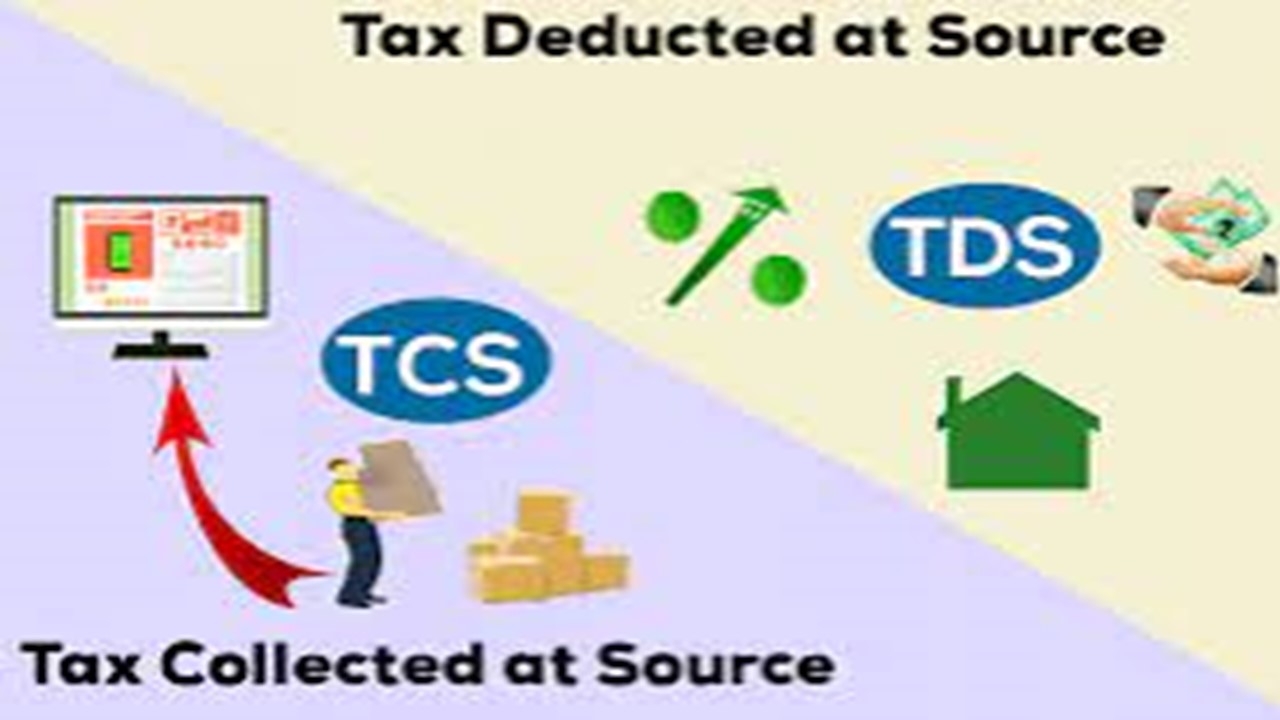 Understanding TCS on Sale of Luxury Goods and Motor Vehicles Section 206C(1F)[/caption]
Collectors (Sellers) under Section 206C(1) and 206C(1F) are:
Understanding TCS on Sale of Luxury Goods and Motor Vehicles Section 206C(1F)[/caption]
Collectors (Sellers) under Section 206C(1) and 206C(1F) are:
 Understanding TCS on Sale of Luxury Goods and Motor Vehicles Section 206C(1F)[/caption]
The normal rate of TCS collection is 1% of the aggregate sales consideration, including GST and other charges. In case the buyer does not provide an Aadhaar-linked PAN, a higher TCS rate of 5% is charged. The higher rate is a compliance mechanism to ensure proper documentation and identification for high-value transactions.
Understanding TCS on Sale of Luxury Goods and Motor Vehicles Section 206C(1F)[/caption]
The normal rate of TCS collection is 1% of the aggregate sales consideration, including GST and other charges. In case the buyer does not provide an Aadhaar-linked PAN, a higher TCS rate of 5% is charged. The higher rate is a compliance mechanism to ensure proper documentation and identification for high-value transactions.
What is the amended bare act provision of Section 206C(1F)?
[caption id="attachment_376605" align="alignnone" width="1280"] Understanding TCS on Sale of Luxury Goods and Motor Vehicles Section 206C(1F)[/caption]
The Finance (No. 2) Act, 2024 has replaced the previous subsection (1F) of Section 206C w.e.f. January 1, 2025, and as amended now reads:
"(1F) Every person, being a seller, who receives any amount as consideration for the sale of:
(a) a motor vehicle; or
(b) any other goods, as the Central Government may, by notification in the Official Gazette, specify, of the value of more than ten lakh rupees shall, on receipt of such amount, receive from the buyer an amount equal to one percent of the sale consideration as income tax.
This change means TCS will now also be collected on luxury items (not just cars) that cost over Rs. 10 lakh.
What are the essential points about applicability and provision of Section 206C(1F)?
[caption id="attachment_376606" align="alignnone" width="1280"] Understanding TCS on Sale of Luxury Goods and Motor Vehicles Section 206C(1F)[/caption]
The TCS rule applies to
Motor vehicles: From June 1, 2016
10 listed luxury goods: From April 22, 2025
Under this subsection, TCS at 1% is to be borne by sellers on receipt of consideration in the amount of more than Rs. 10 lakh on sale of:
Motor vehicles
Any of the ten luxury items noted, including
- Wristwatch
- Art pieces, including antiques, paintings, and sculptures
- Collectables like coins and stamps
- Yachts, rowing boats, canoes, and helicopters
- Sunglasses
- Bags like handbags and purses, Shoes
- Sportswear and accessories like golf kits and skiwear
- Home theatre systems
- Horses used for racing in race clubs and for polo
Who are considered "collectors" and "collectees" under this provision?
[caption id="attachment_376607" align="alignnone" width="1280"] Understanding TCS on Sale of Luxury Goods and Motor Vehicles Section 206C(1F)[/caption]
Collectors (Sellers) under Section 206C(1) and 206C(1F) are:
- The Central Government
- State Governments
- Local authorities or corporations formed under Central, State or Provincial Acts
- Companies, firms, or cooperative societies
- Individuals or Hindu Undivided Families whose aggregate sales, gross receipts, or turnover is more than Rs. 1 crore from business or Rs. 50 lakh from the profession during the last financial year
- The Central Government, State Governments, embassies, High Commissions, legations, commissions,
- consulates, and trade representations of foreign States
- Local authorities as defined in the Explanation to clause (20) of section 10
- Public sector entities involved in the activity of transporting passengers
What is the applicable rate for TCS collection under Section 206C (1F)?
[caption id="attachment_376608" align="alignnone" width="1280"] Understanding TCS on Sale of Luxury Goods and Motor Vehicles Section 206C(1F)[/caption]
The normal rate of TCS collection is 1% of the aggregate sales consideration, including GST and other charges. In case the buyer does not provide an Aadhaar-linked PAN, a higher TCS rate of 5% is charged. The higher rate is a compliance mechanism to ensure proper documentation and identification for high-value transactions.
When should the TCS be collected by the seller?
The point in time for the collection of TCS is defined as "at the time of receipt of consideration." This implies that whenever the seller receives any sum in respect of sale consideration in respect of the said goods amounting to over Rs. 10 lakh, they are to collect the TCS at that instance. The provision mandates prompt compliance at the time of receipt of payment, whether in the form of part or full payment of the goods in question. This timing requirement allows the tax to be collected in tandem with the movement of funds, enabling improved tax administration and tracking of compliance for high-value luxury transactions.About Author


Janvi Koli
Digital Marketing Executive
Janvi is an expert content writer focused on taxation and compliance. She writes insightful articles on income tax, GST, company law, and government policies. Known for her practical approach, she simplifies complex regulations to help readers stay informed and compliant. She can be reached at [email protected]
Janvi is an expert content writer focused on taxation and compliance. She writes insightful articles on income tax, GST, company law, and government policies. Known for her practical approach, she simplifies complex regulations to help readers stay informed and compliant. She can be reached at [email protected]
 Studycafe
 Delhi, Delhi, India
 325
325My Recent Articles
- Ethereum Fundamentals for Finance Students through Understanding Blockchain Beyond Bitcoin
- Major Financial Changes Effective from November 1, Every Indian Should Aware Of
- Top 20 CA Firms in Mumbai for Articleship
- Know How to Setup EV Charging Stations: Step by Step Guide
- Unlock business growth this Independence Day with Bajaj Finserv Business Loan
Up Next
Loading suggestions…


Recent Posts



All Posts


Tags
No tags yet.
Recent Posts
All Posts
Tags
No tags yet.