Why GST Notices Are Issued: 10 Common Mistakes Taxpayers Make:
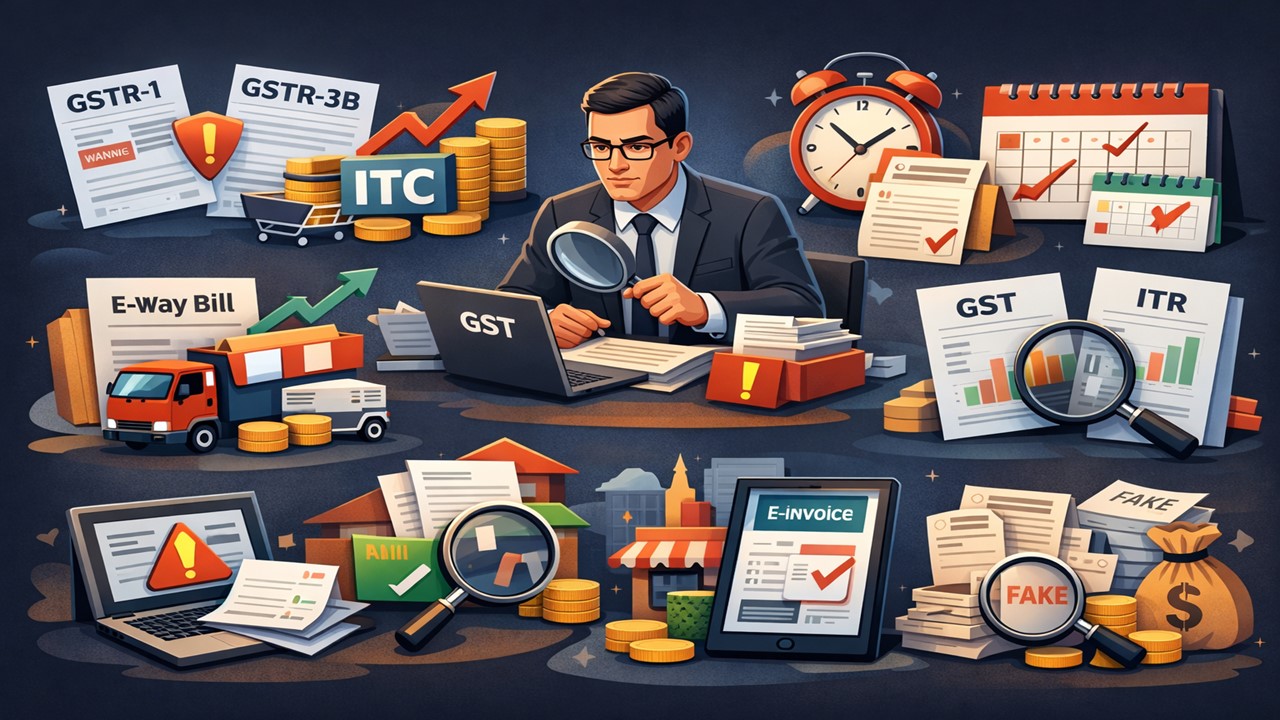
Top ten common reasons why the GST Department sends notices to taxpayers. Mistakes That Often Lead to GST Department Notices Top ten common reasons why the GST Department sends notices to taxpayers.
Mistakes That Often Lead to GST Department Notices
 Vanshika verma
 Mar 11, 2026
Why GST Notices Are Issued: 10 Common Mistakes Taxpayers Make
The GST department checks the data filed by taxpayers in different returns and documents. If they find any mistake, missing return, or suspicious transaction, the department sends a notice.
Many taxpayers receive GST notices because of common mistakes such as reporting differences, claiming incorrect input tax credit (ITC), or delays in filing returns. Taxpayers must know the common reasons behind these notices to stay compliant and avoid unnecessary problems. The following are the ten common reasons why departments send notices:
1. GSTR-1 and GSTR-3B Mismatch
If the sales reported in GSTR-1 do not match the tax paid in GSTR-3B. For example, a business reports sales of Rs 50 lakh in GSTR-1 but pays tax only on Rs 40 lakh in GSTR-3B. In such case, the GST department may send a notice.
2. Over-claimed ITC
If a taxpayer claims more ITC than allowed or more than what appears in the GST system, the department may issue a notice.
3. E-Way Bill Issues
If the value of goods mentioned in the invoice is different from the value in the E-Way Bill, it can create problems. For example, an invoice may show Rs 1.5 lakh, but the e-way bill shows Rs 1 lakh.
4. ITC from Cancelled Vendors
If a business takes ITC on purchases from a supplier whose GST registration has been cancelled, the GST department may question it. The department may ask why credit was taken from a supplier who is no longer valid under GST.
5. Failure to File GST Returns
If GST returns are not filed for several months, the GST department may issue a notice. They may ask the taxpayer to file the pending returns and pay any taxes due.
6. ITC vs GSTR-2B Mismatch
The ITC claimed in returns should match the ITC shown in GSTR-2B. For example, if GSTR-2B shows a Rs 2.2 lakh credit but the taxpayer claims Rs 3 lakh, the department may send a notice asking for clarification.
7. GST and ITR Turnover Difference
The sales reported in GST returns should usually match the turnover reported in the Income Tax Return (ITR). The tax department may send a notice asking for the reason.
8. E-Invoice and GSTR-1 Mismatch
For businesses required to generate e-invoices, the details should match the data filed in GSTR-1. For example, if the e-invoice is Rs 5 lakh, but GSTR-1 shows only Rs 3.5 lakh, the system may flag it, and a notice may be issued.
9. Late GST Registration
Businesses must register for GST once their turnover crosses the threshold limit. If a business crosses the prescribed limit but registers late, the department may send a notice and ask for tax from the earlier date.
10. Fake Invoice Alerts
If the GST department detects invoices where no actual goods or services were traded, it may treat them as fake invoices. For example, invoices worth Rs 10 lakh may be reported, but no real transaction took place. This can trigger a GST notice.
About Author


Vanshika verma
Content Writer
Vanshika Verma is a Content Writer with 1+ year of experience at Studycafe.in. A B.Com graduate from Delhi University, She writes articles on Finance, Tax, ICAI, GST, and the latest financial news, with a focus on making complex topics easy for readers and professionals.
Vanshika Verma is a Content Writer with 1+ year of experience at Studycafe.in. A B.Com graduate from Delhi University, She writes articles on Finance, Tax, ICAI, GST, and the latest financial news, with a focus on making complex topics easy for readers and professionals.
 Studycafe
 Delhi, Delhi, India
 2096
2096My Recent Articles
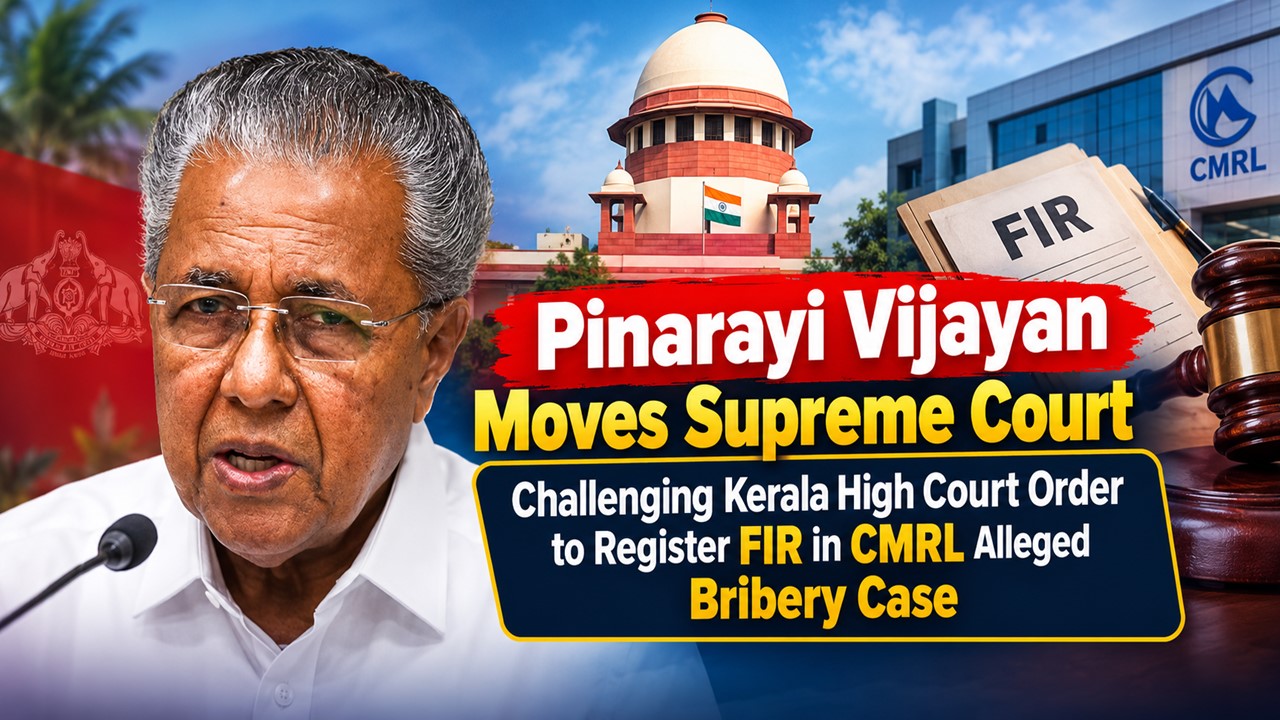
- Pinarayi Vijayan Moves Supreme Court Challenging Kerala High Court Order to Register FIR in CMRL Alleged Bribery Case
- CBI Lays Trap in Srinagar, Arrests SMC Ward Officer Red-Handed While Allegedly Accepting Rs 10,000 Bribe
- NIIT Limited Discloses Income Tax Department’s Appeal Before Delhi ITAT, Says No Adverse Financial Impact Expected
- Fake WhatsApp Boss Dupes Company Accountant of Rs 40 Lakh; Surat Police Arrest Haryana Man in Cyber Fraud Case
- Uttarakhand Tax Department Detects Rs 2.5 Crore Tax Evasion at Ramnagar Resort
Up Next
Loading suggestions…


Recent Posts
All Posts

Recent Posts
All Posts