ROC imposes penalty of 3.67 Cr on Company and 4 Directors for Violation of Separate Bank Account Rule in Private Placement
Meetu Kumari | Apr 27, 2026 |
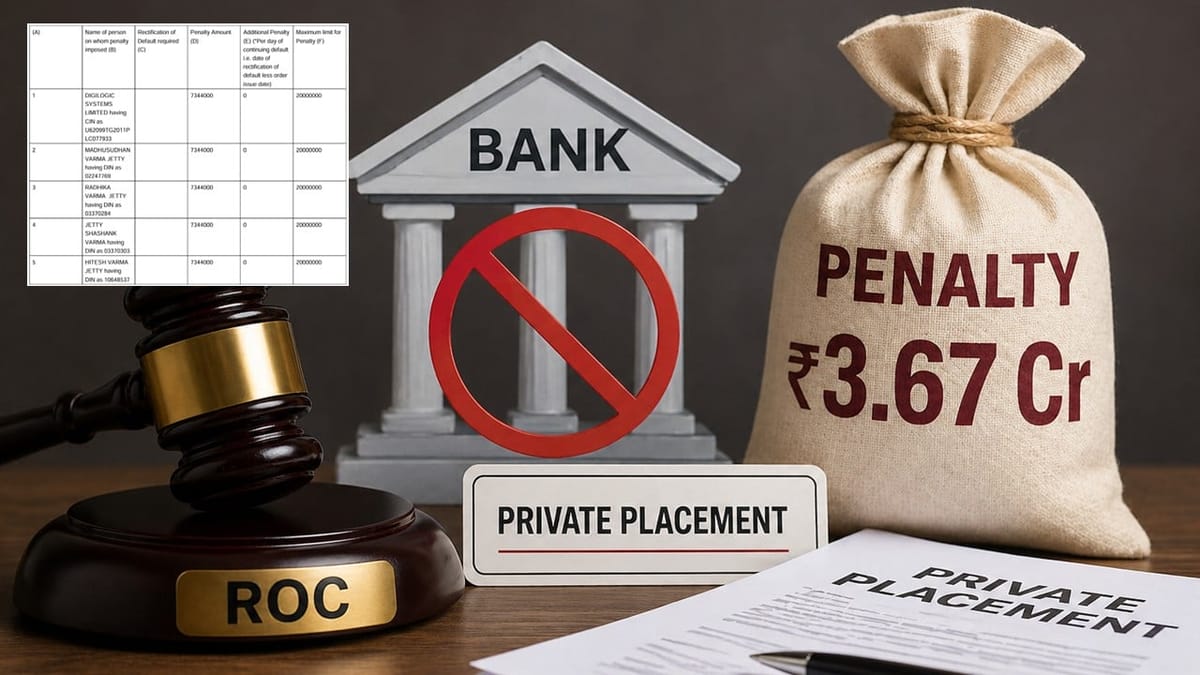

ROC imposes penalty of 3.67 Cr for Violation of Separate Bank Account Rule in Private Placement
This case from the Registrar of Companies (ROC), Hyderabad, serves as a sharp reminder that when it comes to corporate law, “almost complying” isn’t enough. The ROC recently penalised Digilogic Systems Limited for cutting corners during a private placement. In early 2025, the company raised roughly Rs. 73.44 lakh by issuing 25,000 shares. To the company, this was a successful fundraising round; to the ROC, it was a series of legal missteps under Section 42 of the Companies Act. The company’s defence was essentially that they acted in good faith. They argued that they used a “designated” bank account for the application money and followed professional advice. They even blamed technical glitches on the filing portal for some of the paperwork delays. The ROC’s investigation revealed that the company had skipped several non-negotiable steps: a company must open a separate, dedicated bank account for share application money. Digilogic tried to argue that their existing account was “designated” for this, but the law requires a fresh, isolated account to protect investor funds. The ROC clarified that relying on bad advice or facing portal errors doesn’t absolve directors of their responsibility.
Central Issue: Whether using a designated existing bank account satisfies Section 42(6)’s separate account requirement and attracts a penalty under Section 42(10)?

Decision: This case from the Registrar of Companies (ROC) highlights how strictly the law handles private fund-raising. Even if a company acts in good faith, skipping the specific procedural “must-haves” can lead to massive financial consequences. The ROC ruled that Digilogic Systems Limited violated Section 42(6) of the Companies Act. The company’s big mistake? They didn’t open a separate, dedicated bank account specifically for the private placement money. The company tried to argue that they had “designated” an existing account for this purpose internally, but the ROC wasn’t having it. The law is very specific: you need a fresh, isolated account to ensure that investor funds aren’t mixed with the company’s day-to-day operational cash. The ROC didn’t just fine the company; it targeted the leadership as well.
A penalty of Rs. 73.44 lakh was imposed on the company itself and each director/officer in default. A Critical Note on Personal Liability: The authority made it clear that directors cannot use company funds to pay these fines. They must pay out of their personal pockets. The parties have 90 days to clear these dues. This serves as a loud warning to corporate boards: when raising capital, following the “letter of the law” is just as important as the “spirit of the law.”
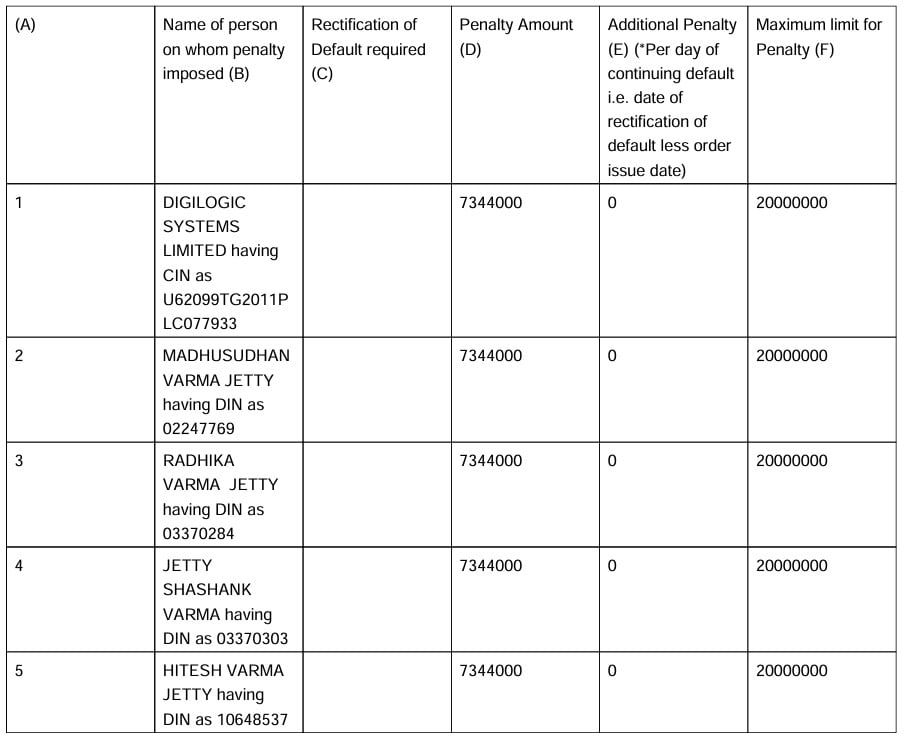
ROC Penalises Violation of Separate Bank Account Rule in Private Placement

To Read Full Order, Download PDF Given Below

In case of any Doubt regarding Membership you can mail us at [email protected]
Join Studycafe's WhatsApp Group or Telegram Channel for Latest Updates on Government Job, Sarkari Naukri, Private Jobs, Income Tax, GST, Companies Act, Judgements and CA, CS, ICWA, and MUCH MORE!"