BATA to settle workmen alleging illegal termination pursuant to High Court Order:
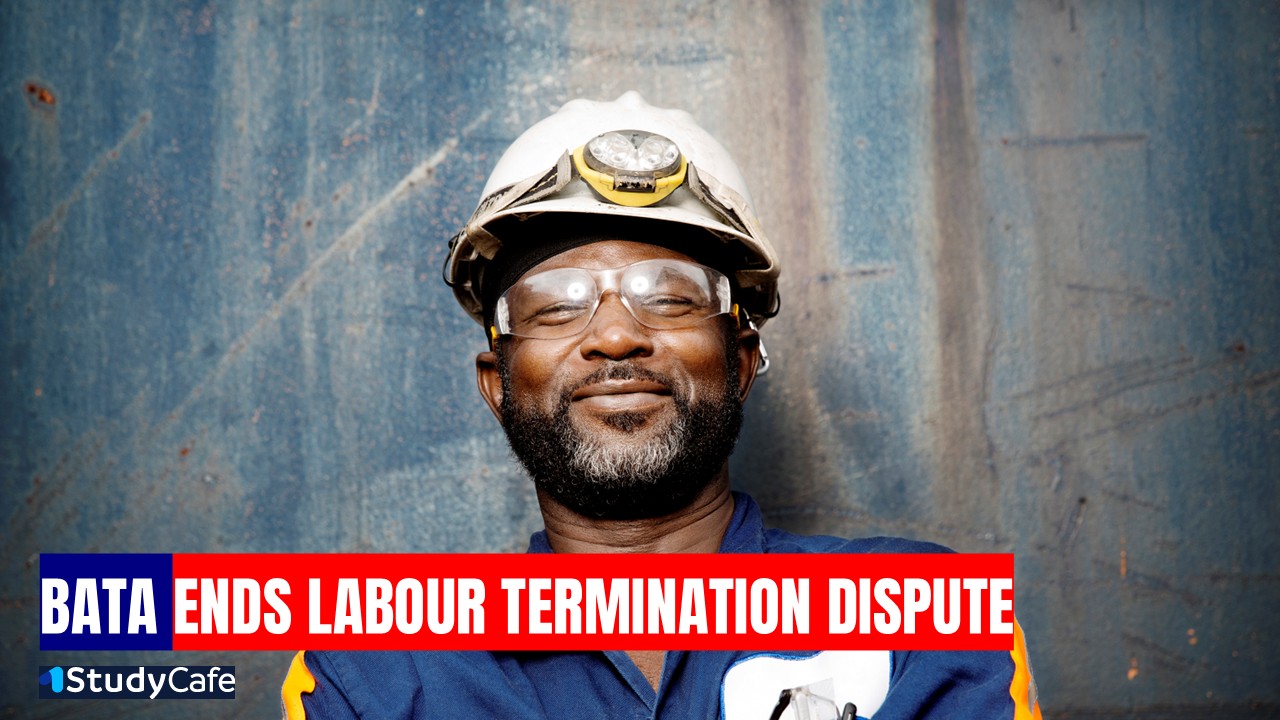
A Legal Overview of the Industrial Dispute Settlement and Regulatory Disclosure Made by Bata India Limited to BSE, NSE, and CSE Under Regulation 30 of the SEBI (Listing Obligations and Disclosure Requirements) Regulations, 2015, Dated May 8, 2026.
Bata India Pays Settlement to Workers as First Labour Court, West Bengal Ends Prolonged Dispute Through Agreement
 Aishwarya Singh
 May 11, 2026
BATA to settle workmen alleging illegal termination pursuant to High Court Order
Bata India Ltd, a leading footwear company Based in Kolkata, was involved in a prolonged labour dispute as some workers claimed illegal dismissal for their jobs under section 2(K) of the industrial disputes at 1947, such disagreement between an employer and a worker regarding termination is considered as industrial dispute.
[related id="420076."]
The matter was referred to the Industrial Tribunal in 2010 under Section 7A of the Act, which awarded a binding Award favouring the workmen, carrying the force of a civil court decree under Section 17A of the Act. The Company challenged the Award under Articles 226 and 227 of the Constitution of India before the Hon'ble Calcutta High Court.
[related id="420006."]
In exercising its equitable jurisdiction, The High Court directed the payment of one-time compensation, Rs. 1.5 Lakh per workman in full and final settlement, in lieu of back wages and reinstatement, a remedy afforded under Section 11A of the Industrial Disputes Act, 1947, where restoration to service is no longer practicable due to the passage of time.
The Company complied and paid Rs 55.50 Lakhs to all the implicated workmen and the First Labour Court, West Bengal passed an order dismissing the case after completing the fifteen-year-old dispute, thus bringing legal finality to the case. Based on its listing on BSE The Company made the following announcement of settlement, dated May 8, 2026, under Regulation 30 of the SEBI (LODR) Regulations, 2015.
The settlement eliminates a long-standing contingent liability from the Company’s books and reflects the judiciary's preference for compensatory resolution rather than reinstatement in long-standing disputes, as well as the Company’s desire to remain compliant with laws and regulations and a level of investor transparency.
About Author


Aishwarya Singh
Legal Content Writer
 StudyCafe
 Delhi, Delhi, India
 92
92My Recent Articles
- ITAT Allows Fresh Opportunity to Trust Seeking Income Tax Exemption
- ITAT Upholds Section 11 Exemption for Gujarat Maritime Board Despite Commercial Receipt Allegations
- ITAT Ahmedabad Deletes Rs 52 Lakh Addition based on information received through Insight Portal
- ITAT Deletes Rs. 1.82 Crore Addition on Cash Held for Payments to Farmers During Demonetisation
- Company Penalised by ROC Delhi for Failure to File AOC-4 CFS Within Prescribed Timeline
Up Next
Loading suggestions…


Recent Posts
All Posts

Recent Posts
All Posts