DPIIT Notifies Revised Framework for Startup and Deep Tech Startup Recognition:

DPIIT has revised India’s Startup and Deep Tech Startup recognition framework, updating eligibility and application procedures for official recognition.
Updated Guidelines for Startup and Deep Tech Startup Recognition in India
 Vanshika verma
 Feb 6, 2026
DPIIT Notifies Revised Framework for Startup and Deep Tech Startup Recognition
The Department for Promotion of Industry and Internal Trade (DPIIT) under the Ministry of Commerce & Industry has issued a new Notification (F. No. P-38015/19/2025-STARTUP INDIA) on February 4, 2026, updating the definition and recognition framework for Startups and Deep Tech Startups in India, replacing the 2019 guidelines.
The following are the updates in Definitions:
a. A Startup is a business that is officially registered in India.
1. It can be a private limited company as mentioned in the Companies Act, 2013; a partnership firm under section 59 of the Partnership Act, 1932; a limited liability partnership (LLP) under the Limited Liability Partnership Act, 2008; or a Multi-state cooperative society.
2. To be called a startup, the business must be less than 10 years old from the date it was registered.
3. Its annual turnover should not be more than Rs. 200 crore in any financial year since it started.
4. The business must be working on new ideas, better products, improved services, or better processes. It should also have the ability to create wealth and create jobs or wealth.
b. If the business is a Deep Tech Startup, then the following rules will apply:
1. The period mentioned in clause (ii) will be up to 20 years old.
2. Its turnover limit mentioned in clause (iii) will be up to Rs. 300 crore.
A company that is created by splitting or reconstructing an old business is not considered a startup. A business stops being a startup when it completes 10 years, or its turnover crosses Rs. 200 crore in any year.
However, in the case of Deep Tech Startup, such an entity stops being a startup when it completes 20 years or its turnover crosses Rs. 300 crore for Deep Tech.
The following are the changes in Recognition:
To be officially recognised as a Startup, an eligible business must apply online on the DPIIT portal.
A. The entity must fill out the application form available on the DPIIT website. Along with the application, the following documents must be submitted:
1. Certificate of Incorporation/Registration
2. A short explanation of (Write-up) what the business does, how it brings innovation, how it improves products, services, or processes, or how it can grow and create jobs and wealth.
3. In the case of Deep Tech Startup, it must submit extra documents to show that it meets the required technical and innovation standards mentioned in the rules.
B. After receiving the application, DPIIT will approve the eligible entity as a startup (including as a 'Deep Tech Startup') or reject the application and clearly explain the reasons.
Certification for the purpose of section 80-IAC of the Act
If a startup, including a deep-tech startup, is a private limited company or LLP and meets the required conditions under Section 80-IAC of the Income Tax Act, it can apply for a tax benefit certificate. To get this certificate:

- The startup must fill out Form-1 and submit it with the required documents.
- The government board will review the application and may ask for more details.
- After checking everything, the board will either approve the application and give the certificate or
- Reject it and explain the reason.
About Author


Vanshika verma
Content Writer
Vanshika Verma is a Content Writer with 1+ year of experience at Studycafe.in. A B.Com graduate from Delhi University, She writes articles on Finance, Tax, ICAI, GST, and the latest financial news, with a focus on making complex topics easy for readers and professionals.
Vanshika Verma is a Content Writer with 1+ year of experience at Studycafe.in. A B.Com graduate from Delhi University, She writes articles on Finance, Tax, ICAI, GST, and the latest financial news, with a focus on making complex topics easy for readers and professionals.
 Studycafe
 Delhi, Delhi, India
 2096
2096My Recent Articles
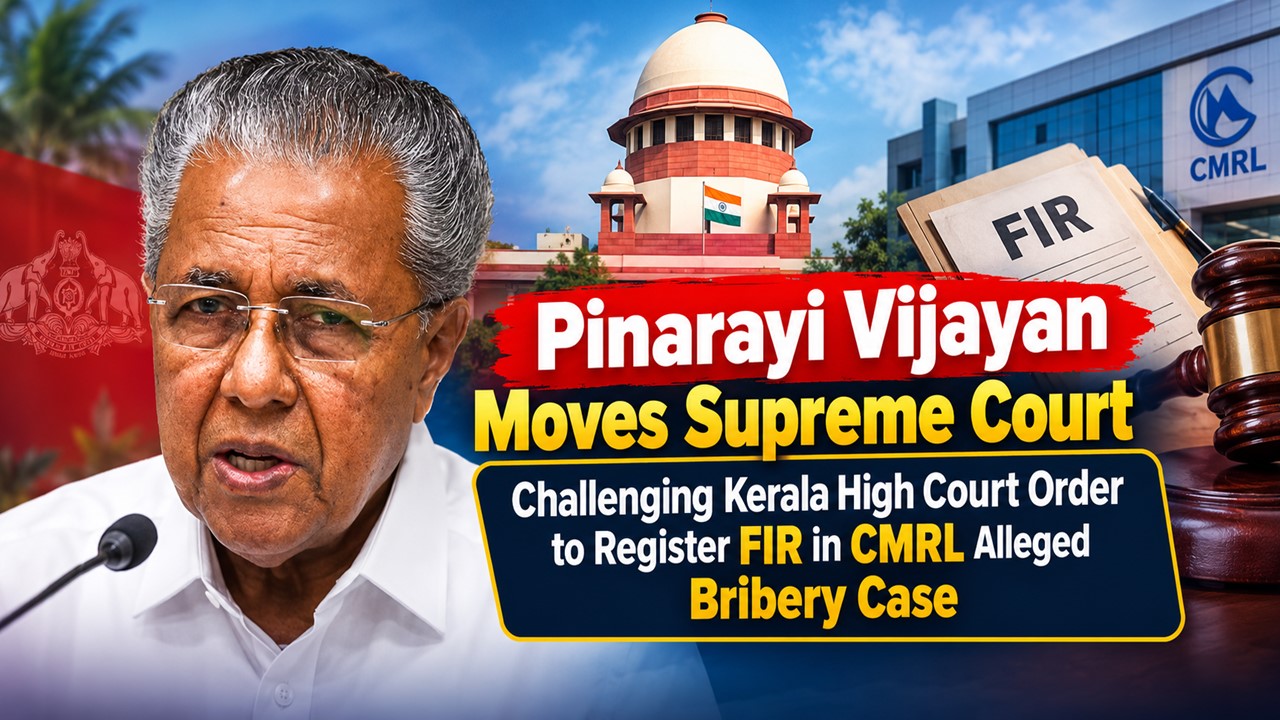
- Pinarayi Vijayan Moves Supreme Court Challenging Kerala High Court Order to Register FIR in CMRL Alleged Bribery Case
- CBI Lays Trap in Srinagar, Arrests SMC Ward Officer Red-Handed While Allegedly Accepting Rs 10,000 Bribe
- NIIT Limited Discloses Income Tax Department’s Appeal Before Delhi ITAT, Says No Adverse Financial Impact Expected
- Fake WhatsApp Boss Dupes Company Accountant of Rs 40 Lakh; Surat Police Arrest Haryana Man in Cyber Fraud Case
- Uttarakhand Tax Department Detects Rs 2.5 Crore Tax Evasion at Ramnagar Resort
Up Next
Loading suggestions…


Recent Posts

All Posts


Tags
Recent Posts
All Posts