First-Time Filing Return? Here's a Step-by-Step Guide to File Your ITR Online for FY 2024-25:
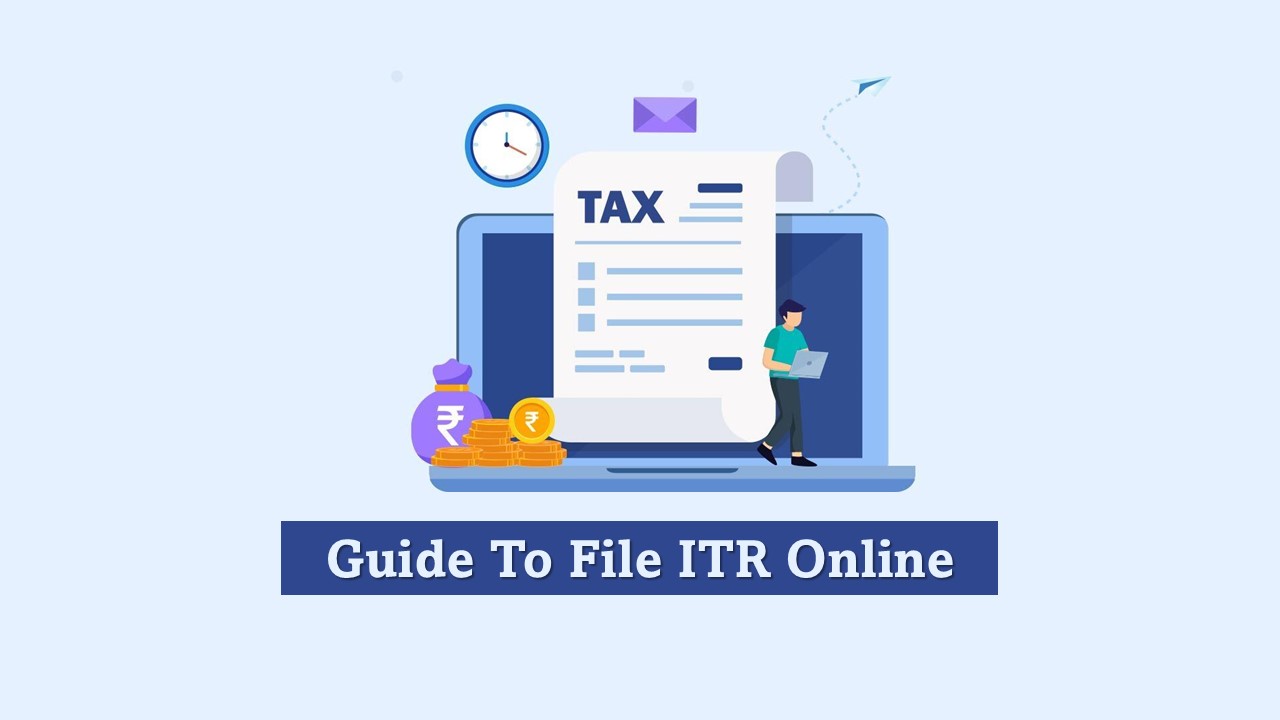
A complete step-by-step guide for first-time taxpayers to file their Income Tax Return (ITR) online for FY 2024-25, including forms, documents, tax regimes, and deadlines.
Easy Online ITR Filing Guide for First-Time Taxpayers (FY 2024-25)
 Saloni Kumari
 Aug 7, 2025
First-Time Filing Return? Here's a Step-by-Step Guide to File Your ITR Online for FY 2024-25
If you are also filing your income tax return (ITR) for the first time. You might feel the process of filing is harder and more complex, but if you understand it, then it is not. As the Income Tax Department is slowly shifting completely online, the process of filing a return has become simpler. Now, the process of filing ITR is the simplest in comparison to past years. However, before filing ITR, taxpayers must be aware of the following key points.
As per the latest updates, the deadline to file the Income Tax Return (ITR) for the financial year 2024-25 is September 15, 2025. However, taxpayers are advised to begin filing their returns earlier to avoid the last-minute hustle and rush.
If you earn only from one source, then you may not require any help; you can file your ITR on your own. However, if you earn from various sources and wish to claim deductions and exemptions on them, then you may need help from a tax expert or a chartered accountant to file your return. As they have better knowledge in this context, they will not only guide you in what deductions and exemptions you can claim but also help you avoid mistakes in filing. This will decrease the chances of litigation, penalties, and tax notices.
Below are the detailed steps, following which one can submit his/her income tax return online:
Step 1: Visit the official portal of the Income Tax Department at incometax.gov.in. Register yourself there. You will require your PAN number to register (it should be linked to your Aadhaar Card).
Step 2: Now, click on the 'Register' button, located at the top-right corner of the portal's home page. Fill in your PAN card number there and follow the instructions written there to complete the registration process.
Step 3: Choose the correct ITR form to file your return. The applicability of ITR forms depends on how much you earn. ITR-1 is generally filed by the salaried individuals, but if your source of income is business, capital gains, or other, you may need to file a different form. Hence, always be careful before choosing your ITR form.
Step 4: Choose the correct tax regime. If you are a salaried employee, you have probably already told your employer which tax regime you want to follow. But if you have not decided yet, it is smart to compare both the old and new tax regimes to see which one will save you more money.
Step 5: Gather all necessary documents. All taxpayers are advised to keep all crucial documents used for filing ITR before filing the return in order to avoid mistakes while filing it. These documents include Form 16, Form 26AS, AIS/TIS, interest certificates, investment proofs (like under Section 80C/80D), capital gains records, and home loan statements. Taxpayers will also need extra details such as their landlord's name, policy numbers, insurer information, and receipt or account numbers for rent or investment claims to ensure smooth processing.
About Author


Saloni Kumari
Content Writer
Saloni is a Content Writer with 2+ years of experience at studycafe.in. She writes legal, taxation, and finance related content including GST, Income Tax etc. Skilled in translating complex judicial pronouncements and regulatory developments into clear, and reader-friendly articles. Experienced in covering judgements of ITAT, High Court, GSTAT, and news related to Income Tax, GST, and corporate law. She can be reached at [email protected].
Saloni is a Content Writer with 2+ years of experience at studycafe.in. She writes legal, taxation, and finance related content including GST, Income Tax etc. Skilled in translating complex judicial pronouncements and regulatory developments into clear, and reader-friendly articles. Experienced in covering judgements of ITAT, High Court, GSTAT, and news related to Income Tax, GST, and corporate law. She can be reached at [email protected].
 StudyCafe
 Delhi, Delhi, India
 2920
2920My Recent Articles
- IBA Recommends Public Sector Banks to Reduce Ambit of Physical Branch Audits to 50% of Total Business
- ITAT Directs AO to Reconsider Rs 16.44 Lakh Capital Gains and Rs 25.87 Lakh Stamp Duty Value Addition
- ITAT Remands Rs 3.33 Crore Demonetisation Cash Deposit Case to AO, Directs Rs 10,000 Relief Fund Payment
- Income Tax Dept Increases Scope for Saksham Nudge Initiative to Further Include Professional Insuring Timely Compliance
- Vedanta Subsidiary ESL Steel Receives GST SCN for Rs. 2.76 Lakh IGST Demand Over Alleged RCM Short Payment
Up Next
Loading suggestions…


Recent Posts
All Posts

Recent Posts
All Posts