Friends Giving You Cash Loans? You Might Owe Huge Tax Penalties:
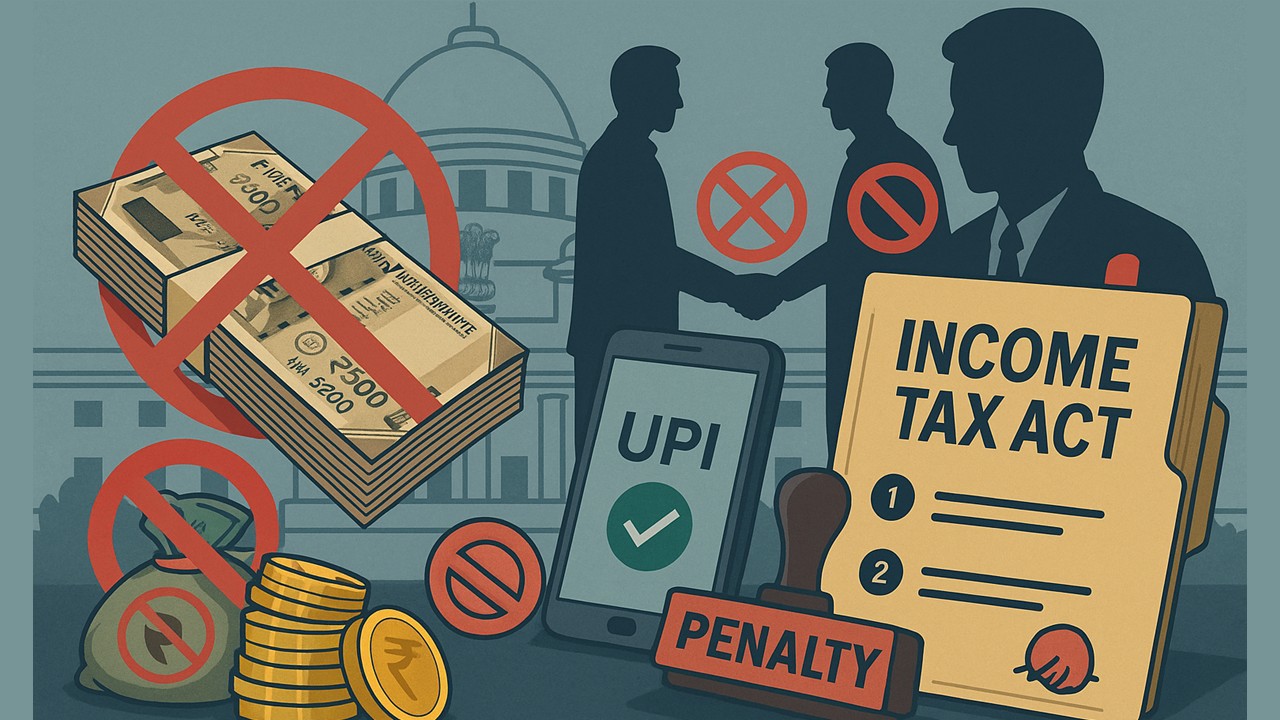
India’s Income Tax Act places strict limits on high-value cash transactions. Exceeding these can lead to hefty penalties, here's what you need to know to stay compliant.
Key Income Tax Rules Every Cash User Should Know
 Vanshika verma
 Sep 11, 2025
Friends Giving You Cash Loans? You Might Owe Huge Tax Penalties
India has witnessed a rapid transformation in its payment system over the past decade. From street markets to high-end retail stores, the use of both digital platforms like the Unified Payments Interface (UPI) and traditional cash continues to dominate financial transactions across the country.
However, people might not know that using cash can actually put you at risk for an income tax penalty, says Section 271DD of the Income Tax Act, 1961. If you break the mandate of not using cash beyond the mentioned Rs 20,000 you could face a penalty equal to the cash amount you received.
Even in case a friend gives another friend a cash loan of Rs 30,000 then he/she may attract a penalty under Section 271D, equal to the amount of the loan so accepted.
A(i) 1. Section 269SS: Taking/accepting certain loans, deposits and specified sums in cash
No person will accept any loan, deposit or other specified in cash if the amount totals Rs 20,000 or more. 'Specified sum' means any sum of money receivable as advance or otherwise in relation to the transfer of an immovable property, whether the transfer takes place or not.
The above mandate does not apply to sums as stipulated accepted from or by-
- A banking company, Post office savings bank or co-operative bank
- The Government
- A corporation company (Defined under Section 2(45) of the Companies Act, 2013).
- A corporation established by a Central, State or Provincial Act
- A government company (Defined under Section 2(45) of the Companies Act, 2013).
- A notified institution, association or body or class of institutions, associations or bodies.
- In aggregate from a person in a day
- In respect of a single transaction
- In respect of transactions relating to one event or occasion from a person.
- Persons or classes of persons or receipts as separately notified for the purpose
- Any receipt by the Government or any banking company, the post office savings bank or any co-operative bank
- Transactions of the nature referred to in section 269SS
- Receipt of fees by educational institutions and hospitals
- Donations by religious institutions
- Transactions between two related persons or
- Where both the payer and the payee are exempt from payment of tax.
- No branch of a banking company or a cooperative bank
- No other company or cooperative society or
- No firm or other person
- The government
- Any banking company, post office saving bank or co-operative bank (not all)
- Any corporation established by a central, state or provincial act
- Any government company (Defined under Section 2(45) of the Companies Act, 2013).
- Notified institution, association or body or class of institutions.
- Having only B2B transactions
- Whose aggregate of all amounts received through non-cash modes during the previous year, such as value received for sales, turnover or gross receipts, represents 95% of all amounts received.
- An assessee which is 100 percent export-oriented
- A foreign company carrying on the business in India through a Permanent Establishment (PE)
- Needs to mandatorily facilitate the acceptance of payments through prescribed electronic modes (in addition to any facility for payments through other electronic modes) as prescribed by the CBDT which currently are (Refer Rule 6ABBA)
- Credit card and debit card
- Net Banking
- Immediate Payment Service (IMPS)
- National Electronic Funds
- Transfer (NEFT )
- Unified Payment Interface (UPI), Real Time Gross Settlement (RTGS), Bharat Interface for Money (BHIM) and Aadhaar Pay.
About Author


Vanshika verma
Content Writer
Vanshika Verma is a Content Writer with 1+ year of experience at Studycafe.in. A B.Com graduate from Delhi University, She writes articles on Finance, Tax, ICAI, GST, and the latest financial news, with a focus on making complex topics easy for readers and professionals.
Vanshika Verma is a Content Writer with 1+ year of experience at Studycafe.in. A B.Com graduate from Delhi University, She writes articles on Finance, Tax, ICAI, GST, and the latest financial news, with a focus on making complex topics easy for readers and professionals.
 Studycafe
 Delhi, Delhi, India
 2096
2096My Recent Articles
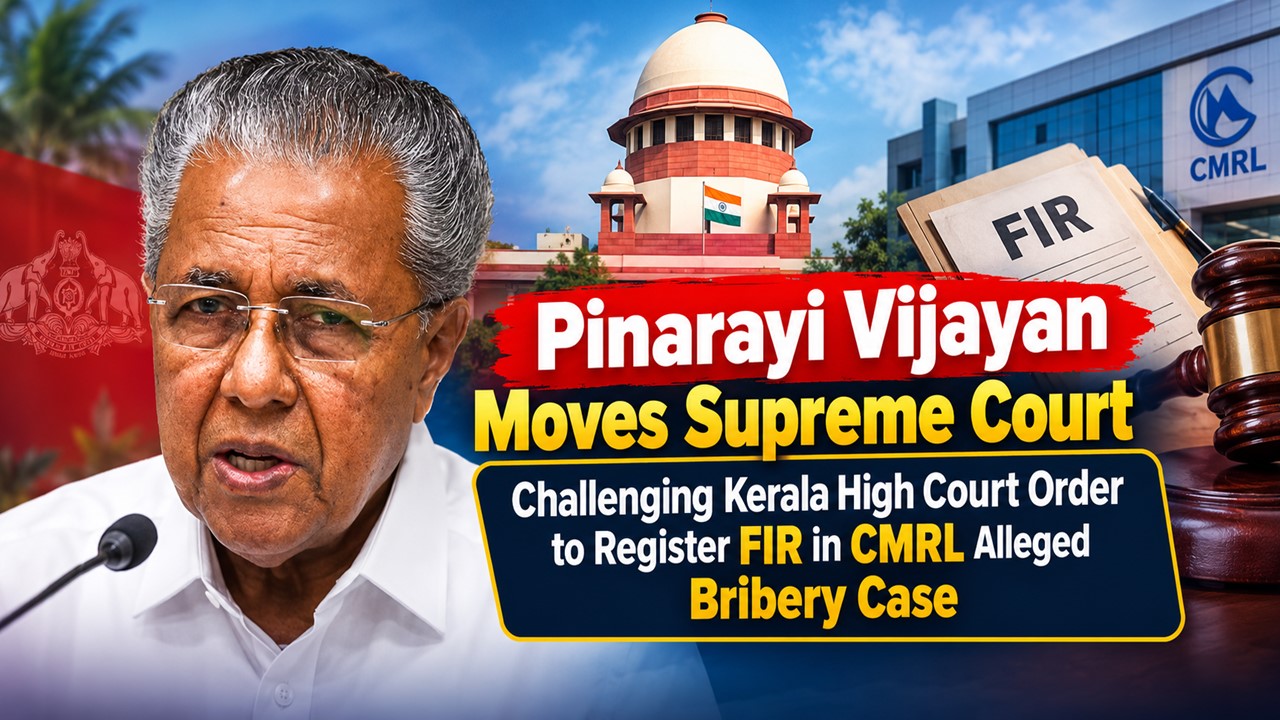
- Pinarayi Vijayan Moves Supreme Court Challenging Kerala High Court Order to Register FIR in CMRL Alleged Bribery Case
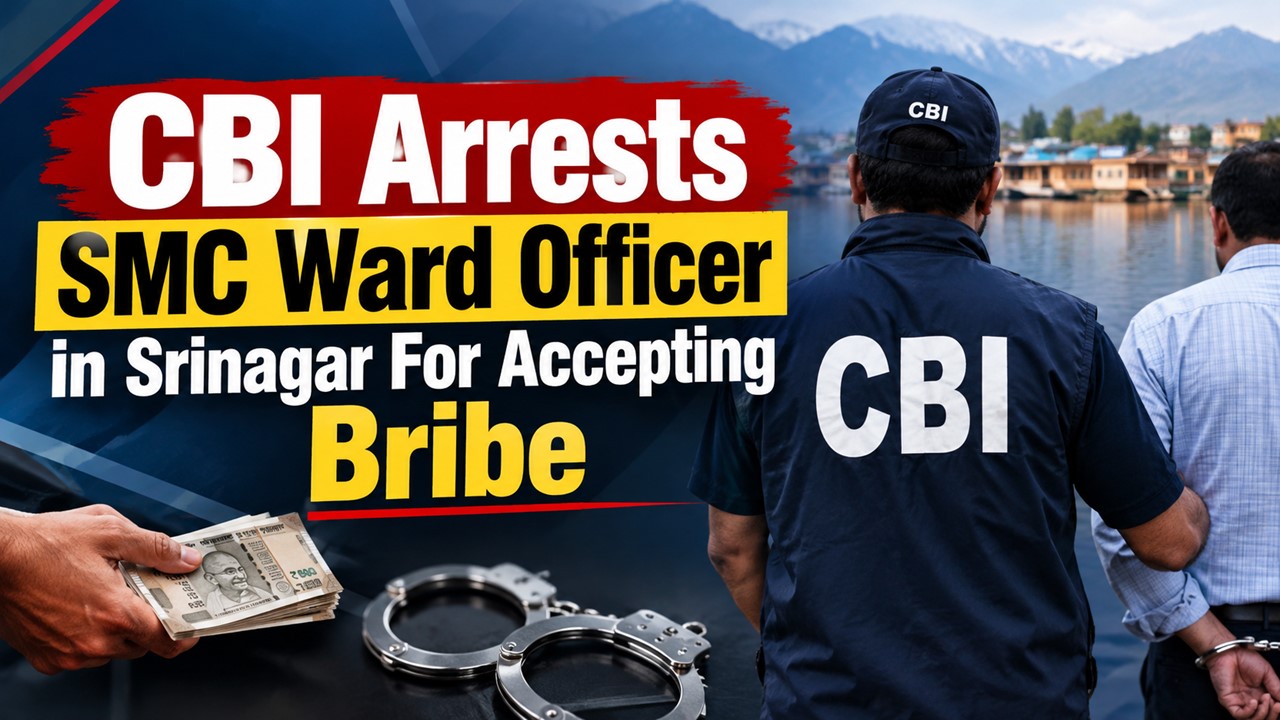
- CBI Lays Trap in Srinagar, Arrests SMC Ward Officer Red-Handed While Allegedly Accepting Rs 10,000 Bribe
- NIIT Limited Discloses Income Tax Department’s Appeal Before Delhi ITAT, Says No Adverse Financial Impact Expected
- Fake WhatsApp Boss Dupes Company Accountant of Rs 40 Lakh; Surat Police Arrest Haryana Man in Cyber Fraud Case
- Uttarakhand Tax Department Detects Rs 2.5 Crore Tax Evasion at Ramnagar Resort
Up Next
Loading suggestions…


Recent Posts
All Posts

Tags
Recent Posts
All Posts