Kerala HC Sets Aside 2% Expenses Disallowance; Rules Rule 8D Not Applicable for AY 2006-07:
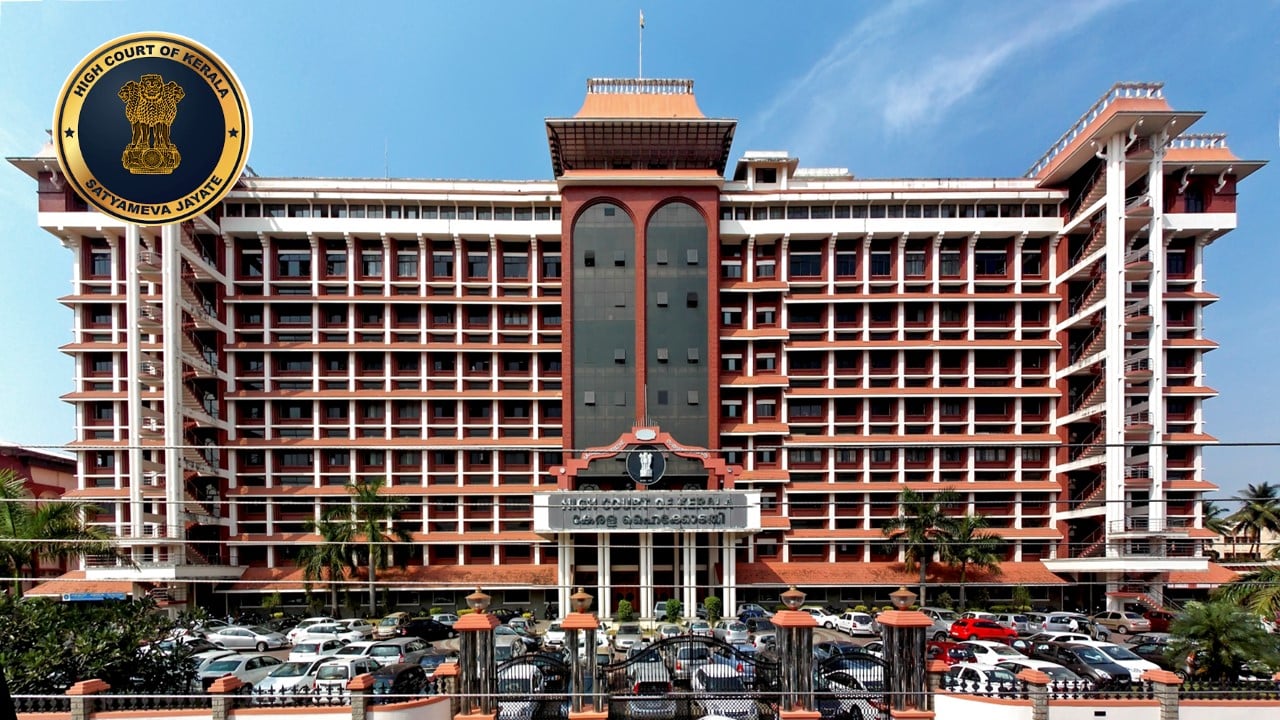
Kerala High Court Sets Aside ITAT’s 2% Ad-Hoc Disallowance and Remands Section 14A Matter for Fresh Recalculation, Holding Rule 8D Inapplicable to AY 2006-07.
High Court Sends Back Section 14A Case for Reassessment
 Saloni Kumari
 Dec 2, 2025
Kerala HC Sets Aside 2% Expenses Disallowance; Rules Rule 8D Not Applicable for AY 2006-07
The appeal had been filed by a company named Aspinwall and Company Limited in the Kerala High Court, challenging an order passed by the Income Tax Appellate Tribunal (ITAT), Cochin Bench, in I.T.A. No. 60/COCH/2015 on May 19, 2020. The case is related to the assessment year 2006-07.
The tax authorities had disallowed the assessee's claim for deduction of Rs. 18,43,500 by applying the ratio prescribed under Rule 8D of the Income Tax Rules, 1962, on the grounds that long-term investments in subsidiary companies were made by the assessee. Basically, the dispute in this case is that the company had earned exempt income, and the Income Tax Department applied Section 14A of the Income Tax Act. This section disallows taxpayers from claiming expenses related to earning exempt income.
The aggrieved assessee filed its first appeal; however, it was dismissed. Thereafter, filed a second appeal before the tribunal authority. The assessee argued that while calculating the amount to be disallowed, the tax department had wrongly applied Rule 8D of the Income Tax Rules. However, the rule came into force in the assessment year 2008-09, and the dispute is related to the assessment year 2006-07. Therefore, the rule does not apply here.
The tribunal agreed with the arguments of the assessee that Rule 8D does not apply to the present case. However, still directed 2% of expenses to be disallowed. The company was still not satisfied with these directions, further challenged the direction in the High Court.
When the high court analysed the arguments of both sides, it noted that the company was right that Rule 8D cannot apply to this case. The court cited an earlier judgment of the Supreme Court in Essar Teleholdings (2018), where it held that Rule 8D applies prospectively; it cannot be used for years before 2008-09. Therefore, the tax department was wrong in using Rule 8D. However, Section 14A still applies to the present case; here, the department was right. Even if Rule 8D is not applicable, Section 14A is still valid. The Assessing Officer (AO) must calculate the actual expenditure related to exempt income.
Tribunal's 2% estimation is invalid. The Tribunal cannot arbitrarily decide on a 2% disallowance. There is no law allowing a flat 2% disallowance. The court has remanded the case back to the tax authorities for a fresh calculation. The assessment is set aside.
About Author


Saloni Kumari
Content Writer
Saloni is a Content Writer with 2+ years of experience at studycafe.in. She writes legal, taxation, and finance related content including GST, Income Tax etc. Skilled in translating complex judicial pronouncements and regulatory developments into clear, and reader-friendly articles. Experienced in covering judgements of ITAT, High Court, GSTAT, and news related to Income Tax, GST, and corporate law. She can be reached at [email protected].
Saloni is a Content Writer with 2+ years of experience at studycafe.in. She writes legal, taxation, and finance related content including GST, Income Tax etc. Skilled in translating complex judicial pronouncements and regulatory developments into clear, and reader-friendly articles. Experienced in covering judgements of ITAT, High Court, GSTAT, and news related to Income Tax, GST, and corporate law. She can be reached at [email protected].
 StudyCafe
 Delhi, Delhi, India
 2923
2923My Recent Articles
- MCA and ICSI to Hold User Awareness Session on Form AOC-4 Filing Amid Glitches on MCA-21 Version-3 Portal
- GSTN Introduces New E-Invoicing Facility for Self-Invoices Under Reverse Charge Mechanism
- Flexi Cap vs Multi Cap Funds: What's the Real Difference?
- IBA Recommends Public Sector Banks to Reduce Ambit of Physical Branch Audits to 50% of Total Business
- ITAT Directs AO to Reconsider Rs 16.44 Lakh Capital Gains and Rs 25.87 Lakh Stamp Duty Value Addition
Up Next
Loading suggestions…


Recent Posts


All Posts


Recent Posts
All Posts