ITAT Deletes Penalty in Education Cess Dispute; Says Retrospective Amendment Not Grounds for Penalty:
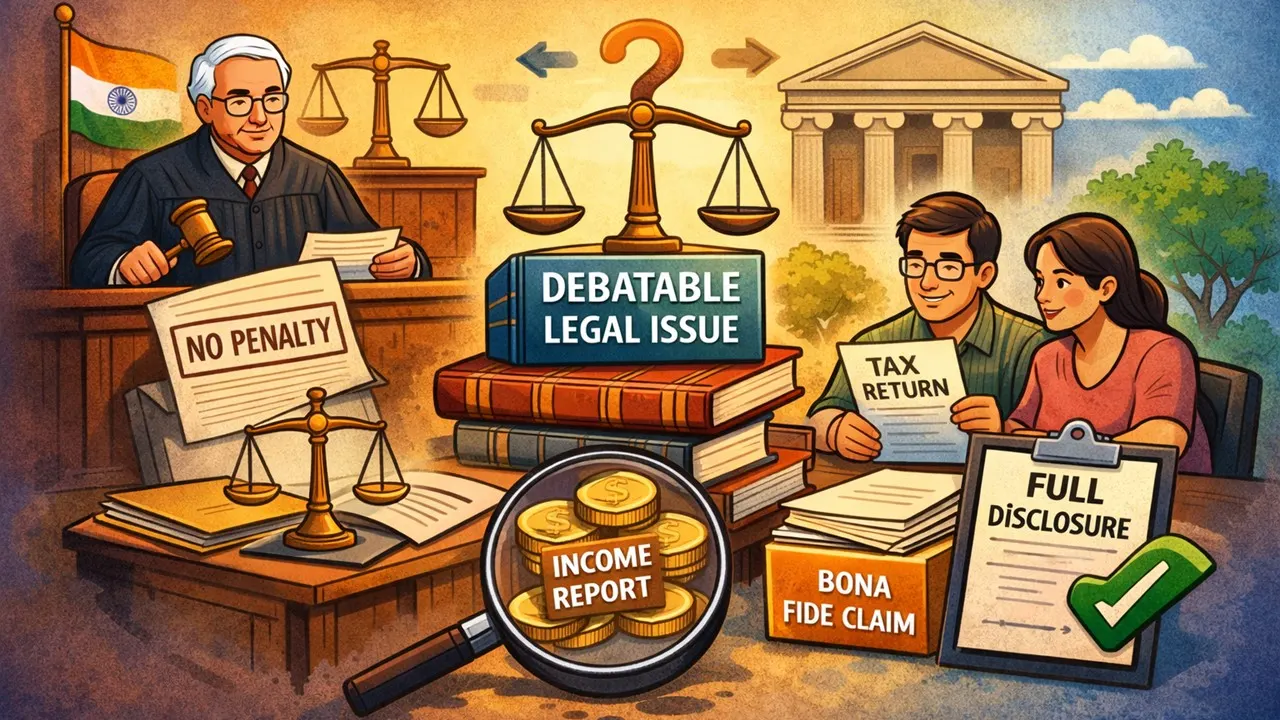
The ITAT ruled that no penalty can be imposed for under-reported income when the taxpayer made a bona fide claim with full disclosure under a debatable legal position.
ITAT Cancels Under-Reporting Penalty of Rs 3.69 Lakh
 Saloni Kumari
 Mar 27, 2026
ITAT Deletes Penalty in Education Cess Dispute; Says Retrospective Amendment Not Grounds for Penalty
The Income Tax Appellate Tribunal (ITAT), Ahmedabad, in a recent ruling, has deleted the penalty of Rs 3.69 lakh imposed on the grounds of under-reporting of income in the ITR and allowed the taxpayer's appeal. Shree Swati Texdyes Private Limited had filed the appeal before the ITAT Ahmedabad, challenging an order dated October 16, 2025, passed by the CIT(A), NFAC Delhi. The order pertains to the Assessment Year 2020-21.
During assessment of the assessee's ITR (Income Tax Return), the Assessing Officer (AO) had made two disallowances: first of Rs 43.36 lakh under section 14A of the Act, and second of Rs 21.53 lakh deduction claimed towards Health and Education Cess. However, the assessee challenged only the section 14A disallowance before the CIT(A), and the same was deleted. Since the Health and Education Cess disallowance was not challenged, the Rs 21.53 lakh addition has finality.
In conclusion, the AO initiated penalty proceedings under section 270A of the Act against the assessee for under-reporting Rs 21.53 lakh income. A penalty of Rs 3.69 lakh was imposed on the company, being 50% of the tax on under-reported income. Although the company accepted the disallowance, it argued that the claim was made in good faith based on existing court decisions at the time; hence, the penalty should not be imposed.
When the tribunal analysed the facts of the case, it noted that when the ITR was filed, the High Courts had allowed such deductions, making the issue debatable. Later, after the retrospective amendment in the Finance Act, 2022, had made such cess non-deductible. After this amendment, the company suo moto withdrew its claim during assessment proceedings.
The Tribunal highlighted that the company had disclosed all relevant facts and made the claim based on a genuine interpretation of the law. It held that a penalty cannot be imposed merely because a claim is later disallowed, especially when the legal position was unclear at the time.
The tribunal cited several earlier judgements based on similar issues, where the authorities had deleted the penalty levied under section 270A on account of the disallowance of education cess. Considering the same, the tribunal concluded that the company’s case qualified for relief under Section 270A(6), which protects taxpayers who provide bona fide explanations and full disclosure. Accordingly, the penalty was deleted, and the appeal was allowed.
About Author


Saloni Kumari
Content Writer
Saloni is a Content Writer with 2+ years of experience at studycafe.in. She writes legal, taxation, and finance related content including GST, Income Tax etc. Skilled in translating complex judicial pronouncements and regulatory developments into clear, and reader-friendly articles. Experienced in covering judgements of ITAT, High Court, GSTAT, and news related to Income Tax, GST, and corporate law. She can be reached at [email protected].
Saloni is a Content Writer with 2+ years of experience at studycafe.in. She writes legal, taxation, and finance related content including GST, Income Tax etc. Skilled in translating complex judicial pronouncements and regulatory developments into clear, and reader-friendly articles. Experienced in covering judgements of ITAT, High Court, GSTAT, and news related to Income Tax, GST, and corporate law. She can be reached at [email protected].
 StudyCafe
 Delhi, Delhi, India
 2948
2948My Recent Articles
- Maharashtra Govt Eases Registration of Jointly Owned Land Sales, ‘KA’ Copy Can Replace Co-Owners’ NOC
- No Separate Section 69C Unexplained Expenditure Addition Allowed After Accepting Section 44AD Income Without Supporting Evidence: ITAT
- RBI Imposes Restrictions on Puducherry Co-operative Urban Bank for Six Months, Caps Cash Withdrawals at Rs 5,000
- ICAI Opens Application Window for Empanelment of Members to Act as Observer at CA January 2027 Exams
- ICAI CA Inter Sept 2026 Result OUT at caresults.icai.org, Check Steps to Download
Up Next
Loading suggestions…


Recent Posts


All Posts



Tags
Recent Posts
All Posts