PM Modi Unveils Next-Gen GST Reforms on 79th Independence Day:
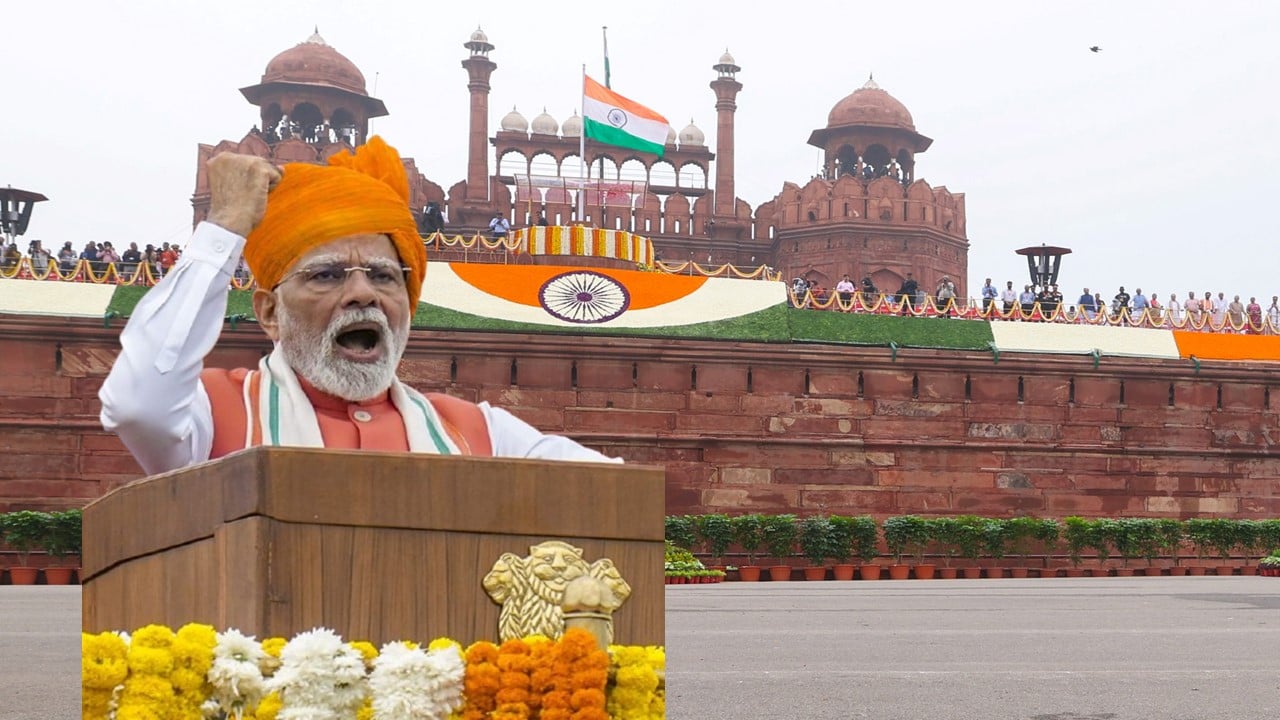
The Govt. proposes a simplified two-rate structure to replace the existing 5%, 12%, 18%, and 28% slabs. aims to benefit farmers, MSMEs, and the middle class.
Centre is Likely to Reduce Burden on Common People from This Diwali
 Vanshika verma
 Aug 19, 2025
Table of Contents

PM Modi Unveils Next-Gen GST Reforms on 79th Independence Day
On India's 79th Independence Day, Prime Minister Narendra Modi, in his speech, announced that the Goods and Services Tax (GST) burden on the common man is set to come down from this Diwali with next-generation reforms to be unwound.
PM Modi shows the need for the next phase of GST reforms, which will aim to provide relief to ordinary citizens, farmers, the middle class and MSMEs (Micro and small and medium enterprises).
The Ministry of finance has published details on the proposed GST reforms that a two-slab (Standard and merit) GST structure is being considered and that the new GST structure will substitute the current 5%, 12%, 18%, and 28% slabs, and a GST Council meeting is anticipated next month.
In his speech he added that the Central Government is thinking of introducing major GST reforms which will be based on three main pillars:
- Structural Reforms
- Rate Rationalisation and
- Ease of living
1. Structural Reforms
This pillar of reform is mainly concentrated on enhancing the basic functioning of the GST system.- The government is looking to solve Fixing Inverted Duty Structure, in some sectors the tax on raw materials is higher than that on finished goods. the main aim is to reduce such unused tax credits and encourage more products to be made within the country.
- There is a huge confusion about which GST rate applies to which good or service. The government is thinking of resolving this classification issue as well to avoid confusion and make this structure easier.
- This reform will provide long-term clarity and stable GST policies.
2. Rate Rationalisation
This pillar aims to provide a simpler and more trustworthy GST tax rate for everyone.- Under this government, the aim is to lower taxes on common and aspirational food items so that more people will spend on these, which consequently will help in economic growth.
- Currently there are several GST tax slabs, but now the government will reduce them and divide them into two main slabs (Standard and merit).
- The government is also thinking of eliminating the Compensation Cess.
3. Ease of Living
This pillar is focused towards making the GST process easy and smooth.- GST registration will become faster and fully online.
- Tax returns will be pre-filled using available data, which will help businesses, as they won't have to fill in everything manually.
- The refund process will become faster and automatic.
About Author


Vanshika verma
Content Writer
Vanshika Verma is a Content Writer with 1+ year of experience at Studycafe.in. A B.Com graduate from Delhi University, She writes articles on Finance, Tax, ICAI, GST, and the latest financial news, with a focus on making complex topics easy for readers and professionals.
Vanshika Verma is a Content Writer with 1+ year of experience at Studycafe.in. A B.Com graduate from Delhi University, She writes articles on Finance, Tax, ICAI, GST, and the latest financial news, with a focus on making complex topics easy for readers and professionals.
 Studycafe
 Delhi, Delhi, India
 2094
2094My Recent Articles
- NIIT Limited Discloses Income Tax Department’s Appeal Before Delhi ITAT, Says No Adverse Financial Impact Expected
- Fake WhatsApp Boss Dupes Company Accountant of Rs 40 Lakh; Surat Police Arrest Haryana Man in Cyber Fraud Case
- Uttarakhand Tax Department Detects Rs 2.5 Crore Tax Evasion at Ramnagar Resort
- GST Team Raid at Iron Trader’s Shop in Hathras Sparks Major Uproar as Traders Gather and Allegations of Assault Emerge
- CBI Arrests SFIO Deputy Director and Two Others Over Alleged Rs 1 Crore Bribe Demand in DHFL Scam Investigation
Up Next
Loading suggestions…


Recent Posts


All Posts

Recent Posts
All Posts